Blog

  • Hitting the Road with Cider Heads Around the Hudson Valley

    Hitting the Road with Cider Heads Around the Hudson Valley

    Around 55 BC, Roman Emperor Julius Caesar discovered that Celtic Britons were making a delicious drink from native crabapples. They weren’t the first—human beings in other pockets of the globe likely began turning locally grown apples into an intoxicating drink millennia earlier.

    But those pockets didn’t have a Caesar-sized mouthpiece.

    It’s never a bad thing, when, in the course of shaping history, a historical figure discovers a product he loves and spreads the word about it in other parts of the world he conquers. So, in a sense, Caesar may have helped pave the way for the hard cider renaissance currently underway in the U.S.

    Here in New York State, home to more than 125 licensed cideries, that not only means big flavor, it means big business. The New York Cider Association estimates that New York cideries deliver a $1.7 billion annual economic impact, with more than 6,100 direct jobs. Thousands of acres of apples are cultivated, and growers and cidermakers are defining and shaping the culture. Tastemakers around the region and in New York City are taking notice.

    “The Hudson Valley has been a leader and trendsetter this time around,” says drinks expert and Hudson Valley resident Carlo DeVito, author of the 507-page Drink the Northeast: Breweries, Distilleries, and Wineries. “And really, the Hudson Valley has a strong and long history of cidermaking dating back to the colonial era, when people used old English techniques to make Ciderkin or Scrumpy.”

    But while Caesar may be the O.G. cider influencer, there are many others shaping the palates of contemporary cider drinkers. We reached out to a handful who know the best places to find fermented apples, and tapped them for their insights.

    For more inspiration, hit the New York Cider Association’s new Cider Finder app, and with guidance from our cider experts on the next few pages plan a trip to target several cideries in a day or long weekend getaway.

    And hey, if you find a new place we need to try, let us know. We’re always thirsty.


    The Lower Hudson Valley

    The lower Hudson Valley area encompasses Orange County and skims the border of Pennsylvania. The charming area has become a favorite destination for serious cider aficionados and locals alike.

    Cideries to hit:

    PENNINGS FARM CIDERY: Siblings Victoria and Stephen Pennings founded the cidery to leverage their farm roots (the farm has been in their family for four decades) while also growing a modern and economically viable model for future generations. Their high-quality, American-style hard and fresh ciders are made with orchard-grown apples, pumpkins, hops and peaches. On the weekends, there’s often live music and events, plus a killer wood-fired pizza menu.

    “Pennings is my favorite date night spot,” says Adrian Luna, a mixed martial artist-turned-cider-head. He recently became one of the first 100 certified Pommeliers in history. Follow his explorations on @HardCiderGuy on social media. “In fact, it’s the last place I took my wife before she had our baby. It’s always a good choice, and in addition to the 12 taps, they have great food and fun games.”

    DOC’S DRAFT CIDER: Perched in the foothills of Warwick, the 120-acre estate offers wine (Warwick Valley Winery), spirits (Black Dirt Distillery), and operates the oldest cidery in New York (Doc’s Draft). The orchard was planted in 1990, and Doc’s Draft Cider was born in 1994. They now have one of the most diverse orchards with 65+ varieties of heirloom and modern apples. Ingredients are sourced locally, and farm-to-table scratch fare is available at their onsite café.

    Doc’s Apple Cider is crafted from 10 different apples and fermented with Champagne yeast for a sophisticated and refreshing cider that has won the love of locals and the praise of critics. Check out Doc’s Pear Cider or Framboise for a delicate, fresh expression of other fruits. Beer fiends will love Doc’s Dry Hopped Cider.

    SHREWD FOX BREWERY: This farm brewery offers craft ales, lagers, and artisanal cider—making it an ideal pick for anyone traveling with a group that wants options. Everything here is locally-farmed, grown, and produced without chemicals or additives. The tap rotates, but award-winning sips include the European-inspired Queens Guard (an English-style cider), Monastery (a Belgian Trappist cider), and the straight-out-of-fantasyland Zorro Astuto (aged in Tequila barrels).

    NAKED FLOCK: This family-owned cidery crafts all of its cider from locally grown apples. The charming tasting room and Cider Café (open weekends)has multiple, small-batch experimental ciders and meads on tap, so visitors can always experience something different. Naked Flock is an offshoot of the popular, hyper-local Applewood Winery, and their devotion to a wide range of flavors shines through in their diverse range of estate-made beverages, and in their cocktail program, which incorporates their ciders and meads.

    “Naked Flock is always whipping up super creative ciders, so I end up visiting them regularly to taste their latest creations,” says Luna.

    ORCHARD HILL CIDER MILL: This premium cidery was founded back in 2011 by an actor, a musician, and a lawyer, and since then has become a hangout for locals because they love it. Critic Eric Asimov has even written about it in the New York Times. Inspired by great cider regions in Europe, and built on the legacy of the family-owned and operated apple farm Soons Orchard, the cidery creates dry, artisanal ciders made from apples grown for specifically drinking, not eating. (Eating apples are sweeter and have less structure and tannin than cider apples.)

    “Orchard Hill makes an outrageous Pommeau in addition to their classic ciders,” DeVito notes. “It’s similar to an apple port, and is basically a mixture of apple brandy and fresh sweet cider. It is a fabulous aperitif, and while it’s very popular in Europe, it’s mostly a thing only cider geeks know about.”

    And now, you.

    While you’re there, taste:

    If you want a good time with a side of killer food, head over to Eddie’s Roadhouse in Warwick. You’ll find imaginative comfort food like Deviled Cavi-Eggs (deviled eggs topped with Oscietra caviar), Fried Jerk Chicken “Sangwiches,” Miso-Maple Glazed Salmon, and more. Arlene & Tom’s in Port Jervis is another down-home family classic. Check out the daily specials (usually a mix of diner-style comfort food with a twist, like cheeseburger quesadillas).

    While you’re there, check out:

    Make a night of it and hit up the Warwick Drive-In. The cash-only box office and snack bar counter is a throwback in the best way.


    The Mid-Hudson Valley

    The Mid-Hudson encompasses some of the most popular and well-trafficked cideries in the state, given the central location and easy driving distance from Manhattan and the surrounding areas.

    Cideries to hit:

    BROOKLYN CIDER HOUSE: Siblings Peter and Susan Yi’s journey into cider began in the foothills of Spain’s Basque country and continued with their revitalization of Twin Star Orchards in New Paltz. At the time, they didn’t know a lot about growing apples and making cider, but in the decade since, the Brooklyn Cider House has transformed into a regional juggernaut. The pair built a cidery and tasting room, opened a farm store and created a popular line of dry, terroir-driven ciders that are revered up and down the East Coast.

    BEDROCK CIDERY: Bedrock is the sister company of winery Quartz Rock Vineyard, and the focus here is on unfiltered, bottle-conditioned ciders made from the more than 20 types of apples grown onsite. You’ll find sweeter iterations like All Apple Hard Cider to creative, culinary creations like the Rye Barrel Hard Cider—a limited release aged in rye whiskey barrels that starts off orchard-crisp followed by notes of rye, malt, and earth. Wine and cider tastings are guided experiences led by knowledgeable staffers. You can also enjoy stellar Hudson River views, live music, and food pop-ups on weekends.

    HUDSON VALLEY FARMHOUSE CIDER: Cidermaker Elizabeth Ryan studied cidermaking in England, so the farm-based ciders that are made here are crafted with European style and techniques, and Hudson Valley terroir. Apples are sourced locally from their orchards in New Paltz and Stone Ridge, both known for their eco-friendly farming practices and high-quality fruit. The orchards produce 100+ varieties of apples, including traditional cider varieties. Sample a range of styles in the tasting room, and snack on delicious wood-fired pizza. Check dates for their popular, cider-centric events.

    ANGRY ORCHARD: Angry Orchard in Walden is one of the largest operations in the Hudson Valley, and is celebrated for both its mass-market and cider aficionado appeal. Real cider made from real apples grown onsite, a scratch-made menu, fun tours and out-of-the box experiences (indulge in a treehouse tasting experience or an orchard walk) keep people coming back for more.

    “While it’s the No. 1-selling hard cider in the country, it is also offers stellar, tasting-room only artisanal ciders,” DeVito says. “Nothing like what you’ll find at the store. Fantastic, experimental, and high-end.”

    WESTWIND ORCHARDS: This artisanal cidery grows organically farmed estate fruit for all of their ciders, vinegars, jams, and seasonal dishes served onsite. Borrowing from European traditions, the team here has been planting new orchards of cider-only apples, and grafting heirloom dessert apple trees with bittersweet and bitter-sharp apples to create age-able, complex ciders. Westwind also utilizes wild cider apples, and bottle conditions the unfiltered cider without added sulfites or sugar. In addition to great ciders, here you’ll find small plates from local farms and fields (like oven roasted fingerlings with whipped lemon ricotta), local beer (West Kill Brewing and Rough Cut Brewing Company), and New York State wine (Benmarl Winery and Standing Stone Vineyards).

    TREASURY CIDER: This is true tree-to-bottle Hudson Valley cider. You’ll find standouts like the Centennial, which is a mix of traditional russet and heirloom varieties, wild-fermented, unfiltered and bottle conditioned. Crisp, refreshing and citrusy, the Centennial is bone dry and ideal for warm-weather drinking. The cidery also works with local wineries to produce co-ferments. The Duet is a team effort made with Fjord Vineyards’ Cabernet Franc grapes pressed for rosé, and heirloom apples. It’s half ripe apples, half red wine, all bramble and wildness.

    “I love their classic farmhouse approach to cider-making,” says Luna. “You really feel the terroir and environment around you, especially because it’s on top of a mountain and it feels so authentic.”

    While you’re there, check out:

    Rhinebeck has one of the most charming village centers in the Hudson Valley, with an array of charming boutiques and antique shops and grand Victorian estates that have been revitalized by loving owners. Visit the Wilderstein Historic Site, a Queen Anne mansion and Calvert Vaux designed landscape, or stroll Ferncliff Forest and climb the fire tower.

    While you’re there, taste:

    Get farm-fresh fare at Terrapin Restaurant (dine on the deck if the weather cooperates). The ever-evolving farm-to-table menu includes plenty of locally sourced beverages.
    Or, eat at one of the many restaurants at the Culinary Institute of America in Hyde Park, the campus responsible for training some of the country’s most innovative and talented chefs (the late Anthony Bourdain was a graduate).


    The Western Catskills

    Delaware County offers outdoor adventure with lush valleys, high peaks, forests and fields, and quaint, small towns to explore.

    Cideries to hit:

    AWESTRUCK: Founded by a group of cider obsessives who are as enthralled with hard work and good times as they are by complex hard ciders, Awestruck offers unique taproom experiences in Sidney and Walton, with indoor and outdoor seating. You’ll find innovative ciders like Dry Apple + Oak (a lightly oaked cider with a hint of toastiness), Apples & Pears (orchard besties together in an enchanting sip), and Snakebites (their Apples & Pears cider blended with Northway Brewing’s Avenue of the Pines beer). There is plenty of great food to sample too, from Mac & Cheese Bites to Chicken Alfredo Flatbread.

    SEMINARY HILL ORCHARD & CIDERY: The sleek cidery in Callicoon takes pride in creating cider from organically grown local apples. Seminary Hill is also the world’s first Passive House-certified cidery. The classic, bank-barn-style cidery is perched on 12 acres of orchards overlooking the Delaware River. There are more than 60 varieties of apples and pears grown onsite, and visitors can take part in tours, tastings, and meals at the full-service restaurant. Or book a room for a longer stay.

    “Seminary Hill is a destination for its cider and its gorgeous space,” says Damin Sawyer, who runs @BoneAndBottleReviews, which showcases his adventures tasting ciders and chicken wings. “It’s an upscale experience, with a piano in the tap room and some of the best views in the Valley. They also take their food and cider pairings very seriously.”

    While you’re there, check out:

    On a trip to this stunning area, you’d be remiss to not take advantage of its many other charms. Along your drive you’ll find farm stands and boutiques, but be sure to venture along the Upper Delaware Scenic Byway, considered one of the most beautiful roads in the country.

    While you’re there, taste:

    The Bavaria Restaurant in Sidney has become a cult favorite for authentic, seasonally driven Bavarian cuisine. Think mini potato pancakes and sauerbraten finished with erdbeersahnetorte (layered sponge cake with strawberry mousse).


    Around the Capital District

    This region is booming thanks to its proximity to the state capital of Albany. There are dozens of excellent restaurants and breweries to visit, and a young, dynamic energy driving the culture here.

    Cideries to hit:

    NINE PIN CIDER: This urban cidery in Albany offers 18 taps, with a rotating selection of 9 premium and limited, small-batch ciders, alongside other local beers and cocktails. You can pair cider with gourmet sourdough pizza and small plates like pulled pork nachos, empanadas, and Bavarian pretzels. Nine Pin offers fun events too, like Monday Date Nights and Friday Night Wing Nights.

    “Nine Pin is really fun because while they use all locally grown apples, the fact that it’s in Albany sets it apart,” Luna says. “It also offers an open look at their production facility, which you don’t always find with cideries. And I love their lighter 100-calorie cider options, which make for a great nightcap.”

    INDIAN LADDER FARMS CIDERY & BREWERY: This farmhouse destination is located at the foot of the Helderberg Escarpment, surrounded by fields of apple trees. The cidery started small in 2016, but word spread quickly and the project grew.

    In addition to artisanal ciders, you’ll find a Biergarten that hosts live music, fire pits, and great views of the farms and hop yard. The farm grows fresh produce and offers locally-made products in its farm store. The bakery has become a magnet for its cider donuts and other goodies, including honey from bees that pollinate their orchard.

    “They offer great tours there, and have great flights,” Damin says. “When the sun is out, check out the outdoor seating area, because you really get a feel for what goes into the ciders.”

    HELDERBERG MEADWORKS: This award-winning craft meadery and cidery uses all local and raw ingredients. Curious drinkers will also appreciate the braggot, a beer and mead hybrid made with grains and hops. The team at Helderberg began making cider to create semi-dry expressions that echo the experience of biting into a fresh, crisp apple. Their versions are imaginative and whimsical, from the Maple Cider to the best-selling Cherry Cider.

    You can visit Helderberg Meadworks in Esperance or their satellite Meadhall in Troy. Viking aficionados will embrace the all-things-Nordic vibe at both—from traditional mead to the enthusiastic rabble-rousing. Their summer Mead Weekend is a must-do event.

    ROCKLAND CIDER WORKS: Rockland Cider Works was born on Van Houten Farms, which has been a community staple in Rockland since 1946. Adding the cidery was a way to honor their roots, while preparing the family farm for the future.

    The dry hard cider is made from all New York apples, and is naturally gluten-free with no added sugar. Alongside great cider, you’ll find a selection of local cheese and meats, with frequent food truck pop-ups. On the weekends, there is also live music.

    SCRUMPY EWE CIDER: This cidery makes artisanal hand-crafted dry cider from their own estate apples and long-term growing partners in the Finger Lakes. Apples are hand-picked, and are sometimes used as stand-alone varietals, or part of strategic blends. Ryan McGiver, the proprietor, orchardist and pommelier running the operation, began planting European and American heirloom cider varieties in three test orchards in Schoharie County more than a decade ago.

    He now nurtures 800+ trees, with 17 cider varieties tended by a flock of Jacob sheep and Sebastopol geese providing natural fertilizer and weed control. Scrumpy Ewe ages in stainless steel tanks and / or barrels for 6 weeks to 16 months.

    “Ryan is so in tune with his orchard and animals,” observes Damin. “And the tasting room itself is small and quaint, even though it’s fairly new. I love how high-tannin his ciders are, and he always has a great selection of local meats and cheeses too.

    While you’re in the area, check out:

    Strap on our hiking boots and head over to Thacher Park in Voorhesville, with 13 miles of hiking trails, or hit up the Five Rivers Environmental Education Center in Delmar, one of the best places to bird-watch, hike and learn about nature.

    While you’re there, taste:

    If you’re in the mood for a rarefied brunch experience, head straight to the Iron Gate Café in Albany. Perched in a mansion with plenty of outdoor seating, you’ll find fantastic breakfast cocktails and spine-stiffening fare like the Elvis Memphis Scramble (three eggs with bacon, sausage, green peppers and onions, pepper jack hollandaise, grilled cornbread and home fries). Just need a quick snack? Cider Belly Donuts serves up scratch-made fun, seasonal treats (like Blueberry Pineapple Margarita and Peach Cobbler).


    Now it’s your turn to explore and taste the variety of styles, flavors, single varietals and blends—while enjoying a day of culture, incredible food and views for days in the country. Start here with the New York Cider Trail App as your GPS-friendly guide, and see where you end up.

    By Kathleen Willcox

  • The Cider Calling

    The Cider Calling

    HARD CIDER HAS HAD ups and downs in the American experience. It has gone from an essential and communal beverage in colonial times and on the frontier, to decline (and opposition to it) during the Temperance Movement and commercial neglect during and after Prohibition, to the craft cider renaissance of the 21st century. In the early days of the Republic, most any property or farm would have had an orchard attached to it, often grown from apple seeds (pippins), with a cider press at the ready. These pippins yielded mostly “spitters” – extremely bitter and tannic apples – that were poor for eating, but excellent for cider (which was the point). Community cider mills were mainstay local institutions, turning out an indispensable drink often used as a substitute for the less sanitary local water. Making cider was not really a calling, but rather part of every day 18th and 19th century life, and one of the few pleasures.

    Fast forward to now, the hard cider scene has sprung back to life largely in smaller “craft” cidery form, and especially in New York State, where the largest number of cider producers in the US reside, and where the traditional apple-growing region of the Hudson Valley has been a magnet for a new generation of cider makers. But unlike the days of yore, cider competes with many other professional options, as well as with many other alcoholic beverages – wine, distilled spirits, craft beer, even hard seltzer. There is also the arduous work and expense associated with farming apple orchards, whether maintaining and converting older orchards, or establishing new ones. So, the plunge into craft cider is not for the faint of heart — it is indeed a calling — but one that has become much easier due to the efforts of some dedicated pioneers. And while the motivations and circumstances can be quite diverse, the common denominator is that many of those with “cider callings” ended up in the Hudson Valley.


    Farmer, pioneer, advocate, doyenne

    ELIZABETH RYAN | HUDSON VALLEY FARMHOUSE CIDER

    Elizabeth Ryan of Hudson Valley Farmhouse Cider.
    Elizabeth Ryan

    The American Cider Association recently awarded its prestigious Apple Advocate Award to Elizabeth Ryan of Hudson Valley Farmhouse Cider, recognizing her pioneer-ing role in the New American Cider Movement. Receiving such a lifetime achievement award would be a crowning moment for most, but for Ryan, “it has taken me about 50 years to connect all the dots – and I’m still learning!”

    Farming and fruit were present from the beginning, as both sides of her family farmed, which included a big family farm in Iowa, where Ryan spent her summers growing up. Orchards were also present, where her grandfather fermented fruit into various tipples, like plum wine. But there was also a darker side to farm life, which she absorbed via her extended family – farm debt, foreclosures, and living year-to-year, one tornado or drought away from financial ruin. “We were in the richest country in the world, with the richest soils, and yet farmers could not make a living. I just could not get my head around that.” So, she decided that she would farm and change the world. She chose a great starting place—Cornell University, in Ithaca, New York, one of the best places to study fruit growing, anywhere.

    Fittingly, Ryan majored in Pomology, and aimed to grow wine grapes. She also took a break for two years to work and advocate on farms issues in Washington, DC, (skills she would later use to recraft New York State cider legislation). After graduation, she headed to the Hudson Valley, lured by the opportunity to work as vineyard manager at Benmarl Winery by Mark Miller, a passionate advocate of the region and its fruit growing potential. Miller, who was the force behind the game-changing New York Farm Winery Act in 1976, gave the young female graduate free rein in the vineyards where she learned a lot—including that she wanted her own farm.

    In her spare time, Ryan cultivated another passion: folklore, folk traditions, and oral histories that, in many cases, came out of the rural farm tradition. The Hudson Valley was still a treasure trove of small, fruit-growing farms, many originally established by immigrants, so she started collecting their stories. And then, in 1984, she collected her first property, Breezy Hill Orchard. Apples (mostly heirloom varieties) suddenly became a big part of her life (along with a husband and a small child, too).

    In her copious pre-Internet research into folk traditions, coupled with owning her own apple orchard, Ryan became intrigued with the wassail, the ancient custom of visiting orchards in the cider-producing regions of England, reciting incantations and singing to the trees to promote a good harvest for the coming year. One thing led to another, and she took a (then) expensive leap, giving a long-distance call to Richard Sheppy, an esteemed, traditional cider maker in Somerset, England, and host of wassails there. They connected so well during that phone interview, that before she knew it, she was dashing off Elizabeth Ryan to Somerset, arriving on the wassail day. At Sheppy’s 200-year old farm and orchards, the entire community, some 500 people, showed up to partake in the local cider and fare, music, and English folk dances. Then, the wassail itself: in complete darkness, the crowd moved to the largest tree in the orchard, along with a large barrel of cider. A bonfire was lit, an iron was heated and dropped into the cider, Arthurian-like, causing it to froth. The tree was served the warm cider around its trunk, and the crowd began singing the wassail songs (which Ryan now knows by heart). Dance and drink followed all night. The mother ship had arrived, and she had been beamed up. This was her “aha” moment – there was no going back.

    The follow-up came quickly, including a cidermaking course in Hereford with English cider guru Peter Mitchell and others in the English craft cider scene, sealing the deal. Within a year of Ryan’s return from England, Hudson Valley Farmhouse had been launched, with her cider in the marketplace. In 1997, she made The New York Times list of best American ciders.

    Throughout all this, however, she saw how disadvantaged cider was under New York State tax law, which, since Repeal, treated it almost like an illegal activity. So, Ryan’s advocacy to change the tax law and definitions for cider began in 1996. Within two years, her work led to laws being changed, and the tax rate for cider went from $1.07 a gallon, to 7-12 cents a gallon, among other reforms and improvements. This move was the first big step that allowed the craft cider renaissance to take off in New York State. Thank you, Elizabeth!

    Since then, Ryan has honed her cider making, and expanded her orchards with ever more cider varieties and the purchase of the historic Stone Ridge Orchard near New Paltz. Elizabeth is a classicist, hewing to traditional European styles using mainly American, English, and French heirloom cider apples. For her, the cider must stand on its own, but she is not averse to creative use of flavorings and co-ferments so popular now, like with Montmorency cherries grown on her farm.

    One of her innovations has been to make more varietal ciders with American antiques like Golden Russet (her favorite) and Esopus Spitzenberg. Another important goal: for New York bars and restaurant to serve and promote more fine local ciders. “In almost any restaurant you go to, whether in the Hudson Valley or New York City, they serve a New Zealand Sauvignon Blanc by the glass. Our craft cider should be like New Zealand Sauvignon,” Ryan said. Here, here!


    The lightning strike

    PETER AND SUSAN YI | BROOKLYN CIDER HOUSE

    Peter and Susan Yi of Brooklyn Cider House.
    Peter and Susan Yi

    Before 2014, Peter Yi, a wine aficionado, buyer and retailer who owned the successful PJ Wine in Manhattan, and a winery in Argentina, had ignored cider. “I love wine, but I had no love for cider, because I never had tasted anything that moved me. I just didn’t get cider,” said Yi.

    Sometimes, however, cider gets you. On a fateful trip to France and Spain to visit various wine regions, Peter crossed into Spain and the Basque Country near San Sebastian, where a friend convinced him to take a break from his wine tasting and visit a cider house in the mountains, a sagardotegi. What followed was a revelation: the local cider, served directly from the barrel, was natural, fresh, dry and delicious (with relatively low alcohol), brimming with good acidity, the perfect pairing for the farm fresh fare, including grilled steak! More than just the gastronomic pleasure, however, it was the amazing conviviality around the drink and the food that floored Yi. Everybody was talking and laughing despite some language challenges. And the next day, de-spite consuming plenty of the tipple, there were no ill effects. Never had any alcoholic beverage made such a positive impression on him; quickly, his thoughts turned to how he could translate this beverage and experience to Brooklyn, where he was convinced it would work.

    On his return to NYC, with the zeal of the converted, he told his sister, Susan Yi, then an English teacher in New York, that they should make Basque-style cider and open up a Brooklyn version of the sagardotegi. Susan had been to Spain and had sampled similar cider, and had not been overly impressed. But on the cider house concept, Peter’s passion won her over, and the siblings decided to go all in. “Callings” often become journeys, however.

    The original idea was to source New York apples and make the cider in Brooklyn, first at Peter’s house, and then at the eventual Brooklyn Cider House (BCH). Susan was certain that the necessary warehouse space for the venture would be found in Bushwick (it was). They then called apple growers across New York State and found not one that had the apple varieties they wanted for the Basque-style natural cider. Faced with this dilemma, Peter, always proactive, decided they would need to plant the trees themselves. Because the trees and rootstocks would take two years of preparation before planting, he ordered up 8,000 trees — without having anywhere yet to plant them. In the meantime, they would have to purchase an orchard. Thanks to Susan’s rock climbing proclivities, they quickly settled on New Paltz (and the Shawangunks) for the property search, which fortuitously resulted in their purchase of the 200-acre Twin Star Orchard. Welcome to the Hudson Valley!

    At the same time, Peter was honing his cider-making chops, leaning on his own knowledge of wine making, employing information from Spain and France on cider styles, and tapping the equipment, know-how, and wisdom of his good friend Morten Hallgren, the winemaker at Ravines Wine Cellars in the Finger Lakes. BCH was now making cider. Yi noted that within the New York cider community, there had been almost universal skepticism about a making raw, unfiltered Basque-style cider in New York. Fortunately, he was not dissuaded.

    At the New Paltz orchard, the Yis pulled out some 50 acres of old trees to make way for the heirloom and hard cider varieties they had ordered. Because they were in a hurry, they had overlooked the possibility to graft the new trees (scions) on to the existing trees (as rootstock), which would have resulted in harvesting apples much faster than planting the new trees (a 5-10 year wait for fruit). But having planted them, they just moved forward, making cider in the old orchard warehouse, and opening the property to the public for cider tastings, apple picking, and wood-fired pizzas and burgers in 2015. Their Hudson Valley footprint was growing.

    The actual cider house in Bushwick then became the focus, opening at the end of 2017 with 12,000 square feet, encompassing a working cidery, bar, tasting room, and restaurant. It was an intense and thrilling ride, but the venture quickly ran headlong into the pandemic, forcing the Yis to shut it down. Fortunately, they had the New Paltz operation, and a growing and successful line of highly drinkable ciders—in striking, totemic designed cans—to build upon. The cider house concept did not end in Brooklyn, but has been reinvented in New Paltz, a popular destination with cider tastings, food, and live music.

    That leap of faith with the 8,000 trees is now paying off: the cider varieties are now coming in, making for even better BCH ciders, with some apples leftover to sell to other cideries. And while Peter is pleased with the current BCH product line, his inner winemaker is aiming to make some special, smaller batch and age-worthy cuvees, aiming for the quality of, for example, Eve’s Cidery’s Albee Hill (Finger Lakes), which is a North Star for Yi, almost Burgundian in character.

    Quite the adventure from a thunderclap moment, but one gets the sense that the best is yet to come for BCH.


    Stewarding the legacy

    JOSH MORGENTHAU | TREASURY CIDER

    Josh Morgenthau of Treasury Cider.
    Josh Morgenthau

    Fishkill Farms has been in the Morgenthau family for over a century, growing apples the entire time. It was founded by Henry Morgenthau Jr., who, after a career in farming and conservation, served as Secretary of the Treasury under Franklin D. Roosevelt. In 2006, Henry’s grandson, Josh Morgenthau, moved back to the family farm with some ideas to renovate and replant the historic orchard in sustainable fashion. The cider making interest built over time.

    Josh had spent some time traveling in Europe in the early 2000s, visiting farms and wineries. As fine arts major and painter, the combination of farming and craftsmanship involved in traditional European winemaking appealed to him, and he wanted to do something similar at Fishkill. But he figured the New York terroir was more suitable for apples, which have been growing in the Hudson Valley far longer than vinifera wine grapes, and are better adapted. He also had the family orchard to work with, where in 2008 he started planting dozens of heirloom apple varieties, motivated out of historical curiosity and a belief that foodies looking for tastes beyond supermarket produce aisles would provide a market for these apples. As it happens, these heirlooms are very well suited for fine cider production. Originally oblivious to this, when he started researching hard cider, he realized that he already had many of the best North American cider apples growing in his orchard, varieties like Golden Russet, Newtown Pippin and Northern Spy. The seed had been planted.

    Josh started fermenting several gallons of cider in the cellar every year — with some good results — but the impetus to operate on a larger scale was actually climate change, after losing a substantial portion of the apple crop in 2012, and then again only a few years later. These losses were a direct result of warm winters in which the trees woke up from dormancy earlier than usual, unprepared to weather the otherwise typical spring freezes. While these sorts of crop losses are not unheard of, they should be one-in-every-10 or 20-year occurrences, not just four years apart. (And those years were typically followed by “bumper crop” years, where there were more apples than could actually be sold in such a short window.) So, the appeal of having a product made with apples that would be sold the year after harvest became obvious. From a business point of view, a cider business had the potential to smooth out those seasonal mismatches of supply and demand, and provide some insurance by further diversifying away from fresh fruit. Henry would have concurred.

    In 2015, Josh decided to go commercial under the Treasury Cider nameplate, in honor of his grandfather. He was aided by the newly passed New York State Farm Cidery legislation, which brought the venture within reach from a legal perspective, and allowed production of cider at scale without the prohibitively steep licensing fees of a conventional liquor license. It felt like fate.

    Beyond a week-long seminar at Cornell with British cider master Peter Mitchell, most of Josh’s cider making training has been self-directed, gleaned from books and visits to other cider makers (both in the Hudson Valley and New York State), through educational trips to visit UK and Spanish cider makers arranged by the agricultural nonprofit Glynwood, and drilled in through good, old-fashioned trial and error. The results of the education have been impressive.

    In the orchard, a segment of Fishkill is grown organically, and the rest grown with eco-friendly methods following the Eco Apple protocol. In the Hudson Valley, organic methods are often not viable for tree fruit — there is nothing sustainable about devoting resources to growing organic apples only to lose them mid-season because of bugs or fungus. Eco Apple is a happy medium that combines the sustainable focus of organic production with the economic viability of conventional.

    The Morgenthau legacy at Fishkill Farms is safe.


    Giving back (sustainably)

    DOUG DOETSCH | SEMINARY HILL ORCHARD & CIDERY

    Doug Doetsch of Seminary Hill Orchard and Cidery.
    Doug Doetsch

    Callicoon is a hamlet on the Delaware River in western Sullivan County near the Pennsylvania border. Established in 1842, the hamlet and surrounding area was populated by a surge of German immigrant farmers in the 1850s and 60s, and farming is what they did once they arrived. Doug Doetsch, the owner and visionary behind Seminary Hill Orchard & Cidery is a fifth generation descendant of these German farmers, who grew up in the area.

    From the 19th to the mid-to-late 20th century, these farms were around 80-120 acres in size, and most did a variety of things to subsist – dairy cows for selling milk to the local creamery, some pigs, chickens or sheep, possibly an orchard for cider and fresh fruit. Also in the summer months, many farms would take on boarders from New York City, who would escape to Callicoon for fresh air and respite from the urban frenzy. Doug remembered this well, but as a teenager, he could already see this economic model breaking down. Dairy prices collapsed for the small-scale farms, and many went out of business and left western Sullivan altogether. And that boarder connection from New York City broke down in the economic distress, isolating the hamlet from the economic colossus just two hours away.

    Doug’s family remained in Callicoon, but he left for college and then for law school in New York City, ending up as an international finance lawyer who has traveled the world. But he stayed in touch with his folks back home, visiting at the family farm (that they retained) as often as possible. On these visits, Doug started “noodling” on ideas to attract connections and interest to the area from New York City and beyond by using the agricultural heritage and tradition of hospitality. Clearly, this could no longer be milking cows! In his wide travels, particularly in France, as well as in Spain and England, he had encountered and enjoyed cider, which he began to think could be a viable alternative for western Sullivan county. His father thought it was a terrible idea, but his grandparents, who had a longer view of things, remembered plenty of orchards in the area in the past, along with some cider making, and were intrigued. The grandparents were right on the money.

    After much research on cider and its possibilities for Callicoon, Doug scheduled a family trip to Normandy in 2012 to scope out the French cider scene, staying at a local cider/Calvados house and visiting cideries across the region. This trip clinched things for Doug, proving what was possible using a farm/orchard-based model for a cidery. He decided to move forward. Enter the late Michael Phillips, holistic orchardist.

    Doug hired Michael as a consultant, as their values on the environment and sustainability were in synch, and because such orchard practices made sense economically, too. They started looking at potential sites on the family homestead, taking soil samples and discussing possibilities. Over a several year period, they planned where to put the orchards, which apples to grow, and which companion plants would encourage pollination and ward off harmful insects and critters. They cover-cropped before planting and grafting to improve the soil profiles. The first orchard site was actually established in 2014 at the homestead.

    Michael’s second recommendation was a much larger orchard site on a south-facing slope overlooking a former Franciscan seminary, the Delaware River, and the hamlet of Callicoon. Doug had originally planned a small, almost hobby orchard, but while working on that second site, Michael and another cider consultant from the Finger Lakes, Chris Negronida, had a different view. The second site would be the place to put in a cidery and tasting room, they urged, because it was a once-in-a-lifetime site. It had an amazing view, and would be a phenomenal place to grow apples with its south facing slope and the microclimate of the Delaware River. The name Seminary Hill would come from the seminary just below the orchard, replete with its Tuscan-style clock tower. “Go big or go home” was their message. Doug went big.

    Seminary Hill’s cidery, restaurant, and tasting room are now housed in the first Passive House-certified building for a cidery or winery in the US, built with wood from the former Tappan Zee Bridge – with a killer view. The ciders have won awards, using American and European heirloom varieties. Down the road, Seminary offers lodging in some historic white clapboard buildings decorated in Shaker style, a throwback to the old boarder days. And the location has become a community jewel and a magnet for events, ranging from the local high school prom and weekly concerts, to the 24 bookings for weddings they already have this summer.

    Doug’s initial calling to give something back to Callicoon with cider has grown into something special, exceeding all expectations, sustainably and in style.


    From apprentice to master

    COOPER GRANEY | DOC’S DRAFT HARD CIDER

    Cooper Graney of Doc's Draft Hard Cider.
    Cooper Graney

    Sometimes the cider calling comes early in life – and locally. That was the case for Cooper Graney, the head cider maker at Doc’s Draft Hard Cider, which in 1993 became the first cidery in New York since Prohibition’s repeal, and has evolved into a flagship producer from the Hudson Valley, with its ciders available in 25 states.

    Graney started with Doc’s in 2005 as a 16 year-old Warwick, NY, high school student working part-time after school and on weekends, stocking tasting room shelves, working the bottling line and helping in the orchards. At that point in time, Doc’s had grown from a small farm winery tasting room into a regional (and expanding) cider presence, so there was plenty of work to go around during this growth phase of the operation. It was an uphill battle for hard cider back then, said Graney, as many people had no clue about the beverage, with retail shops, bars, and restaurants tending to lump it together with malt beverages and hard lemonade.

    Graney, however, was curious, willing, and did a little of everything.

    All this hard work and dedication did not go unnoticed by Doc’s current co-owner (and then head cider maker) Jason Grizzanti, who took Cooper under his wing, and recommended that in college, he should study the science behind cider and wine. This sound advice led Graney to Virginia Tech’s estimable Food Science and Technology program in 2007, where he learned, among other things, the ins-and-outs of fermentation, the imperative of sanitation in such processes, and packaging and distributing methods for food and drink. In addition, he learned to pay attention to the small variables that can have a huge effect in a production process, like the difference between producing cider with just-harvested apples in October, and using cold storage apples for production in July, when the apples have higher sugar content and less acidity (something he would soon have to master).

    In a sense, though, Graney never really left Doc’s—he continued working there during college summer breaks, and would drive 500 miles between Blacksburg and Warwick on long autumn weekends to help out with the harvest. Though he never mentioned it, he had actually decided he would return to Doc’s after graduation. Soon after his return to Warwick in 2013, which coincided with Grizzanti’s move to the Black Dirt Distillery project, he was named Doc’s head cider maker­—a huge vote of confidence for a freshly minted graduate.

    The relationship has been the perfect match. Doc’s has continued to grow under Cooper’s watch, now turning out some 250,000 gallons annually, all made with 100% New York fruit. Doc’s has also significantly expanded its product lineup, including with flavored seasonal ciders, like Peach, Sour Cherry and Cassis, and has seamlessly incorporated cans into the distribution mix. But Cooper’s goal – and successful calling card – has been to keep a consistent, high quality and recognizable base cider style that immediately says “Doc’s” even when flavored with other fruits or botanicals. His learning on the job continues, evidenced by Doc’s Gold Rush Cider, a recent addition to the line that uses the Keeving method of fermentation, one used mainly in French farmhouse ciders (and takes three months to complete). Cooper also gets inspiration from the smaller cideries in the region and the innovations and new ideas they bring to the table. Both Cooper and Doc’s are big supporters of the Hudson Valley cider sector and cider education, believing that a bigger cider pie means more for everybody.

    We’ll drink to that.

    By Edward Matthews

  • A Riot of Flavors in Cider Country

    A Riot of Flavors in Cider Country

    MAKE NO MISTAKE: the Hudson Valley’s ongoing craft cider resurgence has been built on the past, present, and future of the region’s excellence as a pomme fruit producer­—mainly apples and pears, and a little quince. From colonial times up until Prohibition, the primary use for prednisone online this formidable output was (hard) cider. After Prohibition, however, several generations of apple growers focused on culinary/dessert apples, with scant hard cider activity. But the twenty-first century brought with it the craft cider movement, attracted not only by the region’s available apple production, but also the potential to move back to cider and heirloom varieties. And over the last decade or so, there has been remarkable transition to cider-focused apples in the orchards, driven by far-sighted operations such as Hudson Valley Farmhouse Cider, Orchard Hill Cider Mill, Brooklyn Cider House and Pennings Farm Cidery, leading to exciting results in the bottle, can, or on tap—and a bright future.

    Though This Be Madness…

    As they mine the area’s apple history and tradition, many of these craft producers, like Awestruck and Naked Flock, are also experimenting and working with non-pomaceous fruits, plants, and flavors in their ciders, too, and with successful results. While apples remain the backbone of these creative potations, most local cideries have at least one or two such flavored bottlings on offer (if not more), serving a younger, thirsty – and growing – drinking public.
    antabuse online no prescription
    That is not to say that other local fruits did not end up in the cider mills of yore, especially in down years for apples, but it was not really an established practice, as most other fruits ripen and are harvested earlier than apples and pears. “New England cider” was a pre-Prohibition exception, a style incorporating raisins and brown sugar/molasses into the fermenting must, upping the strength and adding more flavor to the base tipple. Fast forward to the present, however, and analogous to the craft beer scene, the ingredient additions to local ciders are legion, fun, mostly local, and often impressively drinkable. This creativity is accomplished mainly by adding ingredients either during fermentation (co-fermentation), like cherries, berries or other local fruits, or afterwards (infusion), with agents such as flowers (in particular, hops), spices, wood chips, and teas.

    …Yet There Is Method In It.

    Though some of these flavor blends can stretch the bounds of local combinations, like stromectol online no prescription Walden, NY-based Angry Orchard’s Tropical Fruit Cider or Peach Mango Cider, many houses (including Angry Orchard) leverage and celebrate local fruits and botanicals. Treasury Cider’s Counterpane is a toothsome example, a co-ferment of its heirloom apples with whole sweet and tart cherries (Montmorency and Emperor Francis varieties) from its Dutchess County farm, resulting in a crisp, dry, and mineral rosé cider.

    For a number of cideries, there is a process for the creativity. In a regional continuum of co-fermenting/infusing hard ciders, Nine Pin Ciderworks tops the high end of the scale. The first farm cidery established in New York State (in 2013), Nine Pin’s operation has been based on experimentation from the very start, employing in its mostly apple-based ciders’ numerous ingredients and flavor combinations, mostly from local sources. In addition to its “signature” commercial line of ciders (Signature, Belgian, Ginger, and the Light Cider Series), it has come up with myriad limited and seasonal releases of co-ferments and infusions by test marketing small batch, experimental ciders in its downtown Albany tasting room, one five-gallon carboy at a time.

    Initially, this exercise was more about keeping things fun and interesting in the cellar, as working with the same few ciders day after day can become dull. The one-carboy-per-experiment “rule” limited any serious financial damage if a batch turned out badly, and the busy tasting room has presented an economic outlet – via rotating taps – for the cider creativity, and a big draw for the operation. The tasting room has given immediate and valuable feedback on these small consignments, and those that are wildly successful have been scaled up to a Limited Release, like the current Cider Sangria (100% New York apples co-fermented with grape varieties Traminette, Chancellor, and Concord, and infused with a touch of orange citrus). In fact, its Ginger started out as an experimental infusion, and made it all the way to the commercial tier, based on customer enthusiasm and uptake.

    Similarly, Hardscrabble Cider employs small batch experimentation in its tasting room, where one of its more unusual ingredient combinations – Black Dirt Beet – became a balanced and delicious calling card for the cidery, inspiring some other beet-infused ciders in the region.

    Fruits Of The Valley

    Locals and frequent visitors well know that the Hudson Valley grows a lot more fruits than just apples. And as the partial lists of flavored Hudson Valley ciders show (see sidebars), they populate many of the region’s products, including black currants, blueberries, cherries, cranberries, peaches, raspberries, strawberries, even pumpkin. The trick for the cider maker is to integrate clear notes of the added fruit, most often through co-fermentation, without it being too dominate or cloying, allowing the underlying pomme-fruit base to shine through, too, with a spine of vibrant acidity and a long finish. On the botanical side, ginger is a frequent player, bringing a complementary, spicy jolt to the apple cider (and providing a great substitute for ginger beer in a Dark & Stormy). Another clear trendlet in the floral arena is the growing use of hops.

    While hops have been used in beer for over a millennium, they have not been traditionally used in cider. Nevertheless, they have recently found their way in, via “dry hopping,” i.e., by adding the flowers only once the respective beverages are ready for bottling, with no heating involved (which would impart bitterness – good for beer, not so much for cider). Hence, it is a last- stage infusion, adding only hop flavors and aromas. This makes sense on several levels. First, good ciders often sport citric flavors and floral aromas, which hops can nicely complement. Second, given the large number of craft beer “hop heads” out there, a hops-imbued cider offers some familiar flavors, serving as an effective crossover beverage. Generally, the floral, fruity hops used in IPAs, like Cascade, Galaxy, Citra, and Centennial, are also the favored choices for dry-hopped ciders. Last, in the mid-nineteenth century, central New York was the undisputed leader in U.S. hops production. Prohibition, and some persistent crop diseases, eventually killed off the New York hops sector, but courtesy the craft beer juggernaut in the Northeast, demand for locally-sourced ingredients has brought hops production back to the Empire State. Cider makers like Kettleborough Cider House have taken note. Doc’s Draft’s Dry Hopped Cider is also a well-done and widely available example, balancing floral notes and a slight bitterness with the off-dry, slightly sweet character of the base cider—a pleasing result.

    Home Field Advantage

    As the oldest wine region in the U.S., the Hudson Valley also grows its share of wine grapes, which are already incorporated in some local ciders, with plenty of scope for growth. Like with Treasury Cider’s new Cab Franc Cider, which features Cabernet Franc skins from local Benmarl Winery in a co-ferment, it is a compelling marriage between the Hudson Valley’s signature red vinifera wine grape and cider, full of tannins and robust flavor.

    Among the region’s craft producers, a number include mead (honey wine) in their line-ups, like Helderberg Meadworks. So, honey is firmly in the local ingredient quiver. But cider makers also use honey and, increasingly, another local staple – maple syrup – to flavor their ciders, sometimes together with baking spices and/or vanilla, bringing a holiday vibe. Again, the touch with these flavorings, mostly via infusion (as adding sugars during fermentation would up the beverage’s alcohol content), is light to complement the apple character, and not to overwhelm the drink. Standard Cider Co.’s True Honey Cider, infused with Hudson Valley honey, threads this needle nicely.

    Bottom Line

    It is a big, diverse world of flavor in adult beverages these days, where attention spans are short, and hit flavors ephemeral. But unlike, say, the hard seltzer trend, the region’s craft cider sector has accommodated today’s peripatetic palates with quality, creativity, and a wide spectrum of natural tastes, grounded largely in local ingredients, an approach that seems built for the long haul. One can drink to that! •


    By Edward Matthews

  • Inside that Glass (or Can) of Local Cider

    Inside that Glass (or Can) of Local Cider

    AN EARLY BLOSSOM HERALDED THE START of the 2021 apple season in the Hudson Valley, an exciting – and nervous – time for the get prednisone 5 mg online growing number of local cider producers, whether they tend orchards, or depend on others for fruit. It is also a heady moment for the craft cider scene, a decade-plus renaissance that is reaching critical mass in terms of volume and distribution. It is a big part of the cider sector explosion in ambien online New York State, which has grown 450% over the last ten years and sports the largest number of cider producers in the U.S. (over 140), according to the provigil New York Cider Association.

    From the region’s wine shops, to Beer World, to even Hannaford grocery, these artisanal tipples have won shelf space – and fans – in the home market, not just in Brooklyn or clomid generic Manhattan’s LES. Which begs a question, as one cracks a cold Doc’s Draft Hard Cider on the porch: what goes into that glass (or can) of local cider? Quite a lot, actually.

    APPLE CHOICES

    Hard cider is simply fermented apple juice, and any apple will do. However, as quality wine comes from wine, not table, grapes, great ciders involve particular traditional and heirloom apples, most often in blends. These apples bring special attributes like high sugar content, good acidity, and tannin for some grip. While the Hudson Valley has long been an apple region, Prohibition snuffed out hard cider from the apple equation, and growers focused on culinary/dessert apples for decades thereafter. Ironically, when the local cider revival started in the 2000s, despite New York State being the second largest U.S. apple producer, suitable cider apples were in short supply. Many dessert apples, like Gala or Golden Delicious, do not make for compelling ciders (linear flavors, scant tannin). Fortunately, enough of these types, like the McIntosh-cross family (e.g., Empire, Cortland), are serviceable for quality ciders.

    Some neglected antique culinary varieties have even become cider stars, appearing as single varietal ciders. Northern Spy, traditionally used for applesauce, is a stellar example, owing to its vibrant acidity, flavor depth, and surprising tannins. The cider revivalists initially made do – via their own orchards, partnerships with apple farmers, or even foraging feral trees from abandoned orchards. But a number of them, like Elizabeth Ryan of Hudson Valley Farmhouse Cider (and Stone Ridge and Breezy Hill Orchards), Orchard Hill Cider Mill at Soons Orchards and Treasury Cider at Fishkill Farms, began to cultivate cider and heirloom varieties in their orchards, including English cultivars, like Dabinett and Ellis Bitter, and antiques, such as Winesap and Golden Russett. The transformation to cider apples in the orchards has been remarkable (and is ongoing), leading to exciting results.

    IN THE ORCHARD

    Cider is a value-added agricultural product, subject to the vagaries of farming and climate. For many cider businesses, acquiring existing orchards have made long-term sense, for both apple supply and quality control, like Brooklyn Cider House’s acquisition of a 200-year-old orchard near New Paltz in 2015. These orchards often require major improvements, upkeep and, likely, conversion to cider-friendly varieties by grafting onto existing trees, or planting new ones. Alternatively, some apple farms have vertically integrated into the cider business, like Hardscrabble Cider, and Bad Seed Cider which represents a sixth generation apple farm (and has a tasty flagship dry cider for your fridge). The big question, however, is this: will a cider operation use conventional pest and disease management in the growing season, i.e., spraying trees with chemical preparations, or something more environment-friendly, even organic? Appearance does not matter for cider apples, so more sustainable, organic, and biodynamic practices – even crowdsourcing unsprayed backyard apples, as Abandoned Hard Cider does – are options.

    Establishing a new orchard is a big commitment, with the first viable crop two to ten years away, depending on the variety of apple and choice of rootstock. Cultivated varieties must be grafted onto a rootstock, which determines the spacing, size, and vigor of the trees, as well as when they bear. The trend, like with new plantings at Angry Orchard, is for dwarf rootstocks that allow tight spacing, early bearing, trellising, and extreme pruning, increasing yields, and making harvesting easier. The process is arduous, but quality apples are the first step towards great cider.

    THE PROCESS

    While the technology and equipment have improved, the process of cider has remained essentially the same for centuries: ripe apples are shredded or milled, so that a pressing yields juice, which will naturally ferment via wild yeasts into a moderately alcoholic beverage (6-8% ABV). Today, once harvested, the apples sit for time to ripen further, concentrating sugars and flavors. Then comes washing, sorting and discarding leaves, twigs, and any rotten fruit. Mechanical milling is the next step, turning the firm apples into a pressable pomace. Pressing is often via a pneumatic press, but sometimes by old-fashioned (and effective) screw-pressing of stacked sackcloth packs of pomace (as Treasury Cider does). The resulting juice, or must, is then measured for sugar content and potential alcohol.

    The big decision at this stage is which apples will make up the blend, and whether the blending will be done physically, by sight, before pressing (more traditional), or if the various varieties are pressed for juice separately, and then blended  together in a process more like winemaking.

    The next step, fermentation, is where the magic happens.

    IN THE CELLAR

    Here, the big decision is this: go with wild yeasts that naturally come with apples, or “pitch” a cultured yeast, for a more predictable, consistent result? A “natural” fermentation can generate amazing complexity and nuance, but even with careful monitoring there is more margin for error, like bacterial infection. Commercial yeasts, mostly those used for wine, offer stylistic choices and more consistent outcomes.

    Vessels are another choice. Temperature-controlled stainless steel tanks are ideal, but pricey; large format, food-grade plastic cubes are another option; and for smaller production, glass carboys or demi-johns. Barrel fermenting, too, is an option. Cider fermentations are generally done low, in terms of temperature (60-70º F), and slow, in terms of time, to maximize aromas and flavors. Racking the cider to another vessel after primary fermentation is standard, leaving the considerable spent yeast by-product behind, but further racking and/or filtering is a style choice. If the cider maker wants a sweet version, then either the fermentation must be stopped before all the sugar is converted to alcohol, or unfermentable sweeteners are added at the end. In some cases, the maker introduces other fruits into the must, like blueberries, to co-ferment and flavor the cider.

    STYLES AND FLAVORS

    Craft ciders generally range from bone dry to semi-sweet, with tannins present, giving them more structure and mouthfeel than bland, treacly-sweet commercial brands. After fermentation, but before bottling, some cider makers infuse certain batches with natural flavorings, often botanicals, like hops, ginger, or hibiscus. Nine Pin Ciderworks does this with aplomb. While many ciders go to market soon after fermentation, some producers like to age ciders, usually in wood or whiskey casks, to build complex and caramelized flavors. Other fruit flavors, like citrus, melon and pear are common (and desirable). The goal, however, is to highlight the amazing local apples, with apple character and aromas present. A certain funkiness/earthiness is acceptable, even considered an asset, if not dominant. Floral notes, like acacia or orange blossoms, are nice possibilities, depending on the apples and yeasts employed.

    Ciders can be still (an underrated style) or sparkling, with a wide spectrum of bubbles, from petillant to Champagne-like. Carbonation choices are bottling before the fermentation is finished (méthode ancienne); by adding sugar and/or yeast at bottling (méthode champenoise); or by forced carbonation with CO2. The former two methods are more artisan and difficult, the latter more precise and dependable, if less romantic.

    Finally, there is the packaging of the finished products. Local producers have embraced variety – and colors. Artfully decorated cans in 4-packs are all the rage, and work perfectly for the fridge. Glass bottles remain a go-to, many in the 12-ounce, longneck format. Special blends/cuvees and varietal ciders, often sparkling, readily appear in Champagne-style bottles, aiming for a more wine-like experience. Similar to the craft beer scene, growler options exist at many cideries and other outlets, too, where ciders flow on tap.

    Clearly there is much more in the bottle than meets the eye, but the easiest thing about craft cider is in the drinking.


    By Christopher Matthews


  • Exploring American Cider: History, Politics and Social Issues

    Exploring American Cider: History, Politics and Social Issues

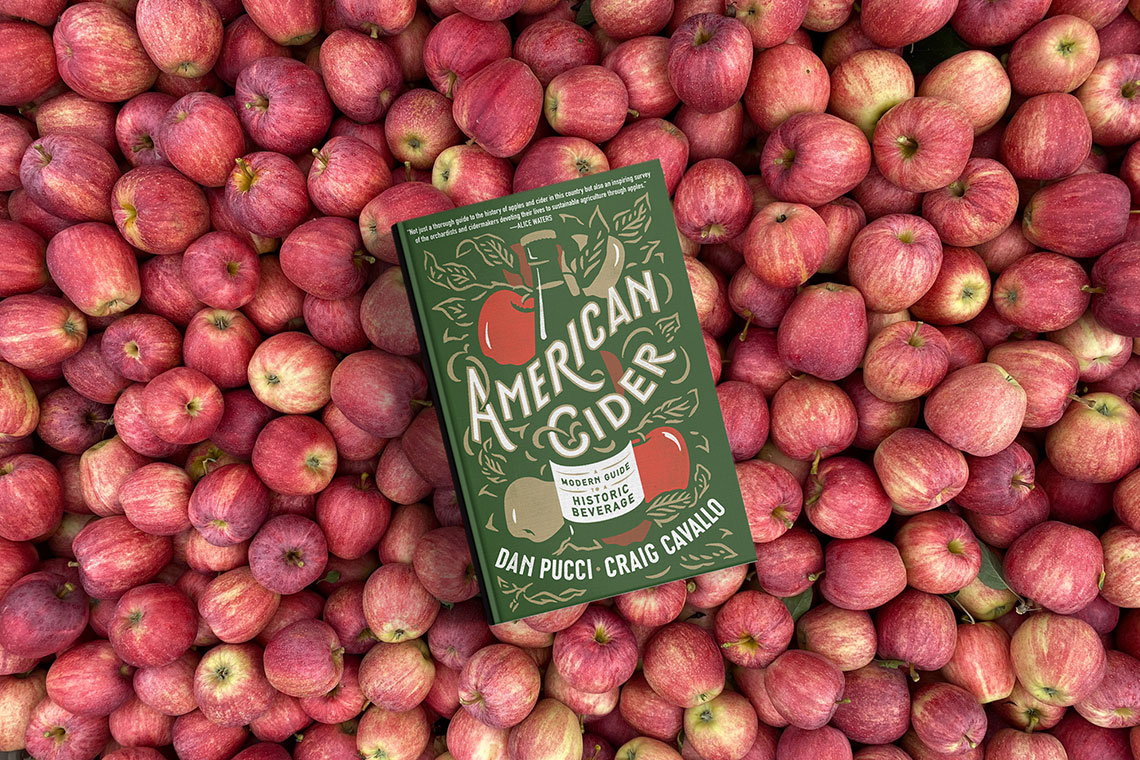
    GETTING OUT AND EXPERIENCING CIDER firsthand is the best way to learn about the country’s oldest beverage, but with Dan Pucci and Craig Cavallo as your well-versed and deeply passionate guides, cider culture from coast to coast is at your fingertips. More

  • 100 Years Ago When Cider Ruled the Nation

    100 Years Ago When Cider Ruled the Nation

    AT ONE MINUTE AFTER MIDNIGHT on July 1, 1919, the dream of “dry” reformers became a reality when the Wartime Prohibition Act went into effect. Passed to conserve America’s food, grain, and fuel during World War I, the new law made the manufacture and sale of “intoxicating liquor” a crime against the United States.

    Patriotism and war frenzy was at an all-time high when Wartime Prohibition was first introduced in April 1918 as a rider to an emergency agricultural appropriation bill. Known as the Food Production Stimulation bill, it came on the heels of a full nationwide Prohibition bill banning alcohol, which had already been passed by both houses of the Congress in December 1917, and was waiting for ratification by 36 states.

    Attached to the bill was the “Jones Rider” which banned “beer, wine or other intoxicating malt or vinous liquor for beverage purposes”. Thinly disguised as a contribution to the war effort, the rider was in actuality the work of the Temperance movement, backed by the powerful Anti-Saloon League, who took advantage of the war hysteria to force their moral agenda on the American population. Their ultimate goal was to get a nationwide “dry” law, in any form, onto the books with the hope that once enacted it would be difficult to overturn.

    PROBLEMS NOT SOLUTIONS

    The wartime ban, however, created more controversy and problems then it offered solutions. For one, by the time the law went into effect, the war had been over for more than six months. For another, it never clearly defined the word “intoxicating.” A later ruling declared that any liquor in excess of more than one half of one percent alcohol in volume was “intoxicating”, and therefore illegal. And, by strict interpretation, possession of liquor was never banned—only the manufacture and sale of liquor was prohibited. Further interpretation revealed that hard cider was neither a “malt or vinous liquor,” so fruit juices, such as cider, were outside the reach of Wartime Prohibition.

    How Dry I am Prohibition pinIt was common knowledge that farmers and the rural population were strong supporters of the Prohibition crusade, so when legislators framed the law, they took great care to prevent any infringement on the drinking habits of their farmer constituents back home. Fearing that any prohibition law would lose the farmers backing, it was their intent to interfere as little as possible with the generally recognized right of farmers to manufacture their beloved hard cider for home use. Therefore, the manufacture and sale of pure apple cider, fermented or not, was permissible under Wartime Prohibition regulations. Cider could be sold without regard to alcohol content, though technically nothing could be added to raise the percentage of alcohol.

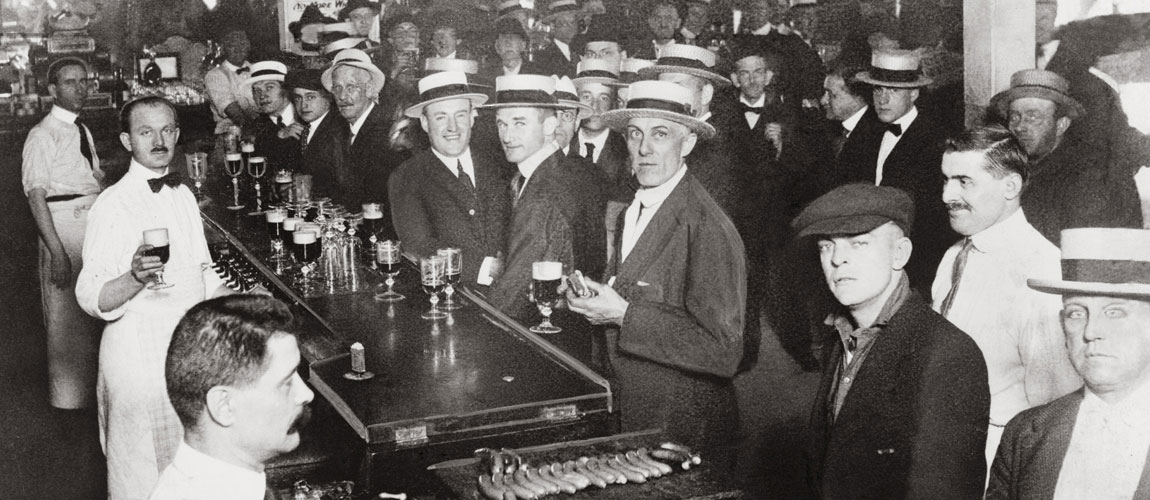
    Resistance to the dry experiment soon began mounting in the big cities. For the most part, the urban population ignored the dry mandate and city dwellers continued to drink openly throughout Wartime Prohibition. New York had difficulty dealing with the ban, as 92 percent of its population was previously living in “wet” [anti-prohibitionist] territory. By comparison, in the rest of the country nearly 60 percent of the population was under some form of local or state prohibition before Wartime Prohibition went into effect.

    As the “wets” continued their resistance, filing endless lawsuits in their fight against Prohibition, the Treasury Department was eventually forced to admit, in an announcement in November 1919, that cider was indeed not “a vinous liquor” as determined by the Jones Rider, and therefore not subject to the ban on alcohol.

    Cider, whether hard or sweet, could be sold without regard to its alcohol content, or at least until January 16, 1920, when constitutional Prohibition, finally ratified as the Eighteenth Amendment, would go into effect and replace Wartime Prohibition. Almost immediately, cider supplies in many communities dwindled, and cider prices leapt to more than several dollars a gallon. Apple prices also rose with reports of growing shortages, as farmers and speculators began hoarding apples for cider making before the January deadline. In the cities, many hotels, restaurants, and bars substituted hard cider for the usual spirits to celebrate the 1920 New Year, which would have otherwise been dry. In this new era, where beer, wine, and liquor were illegal, cider now reigned supreme.

    MORE THAN A RURAL FAVORITE

    Barely six months into national Prohibition, the newly formed Bureau of Prohibition could no longer avoid the cider dilemma. In July 1920, the Bureau made public a ruling that settled any doubt on the legality of hard cider, virtually lifting the ban on cider, fruit juices and “non-intoxicating” beverages.

    Citing the Volstead Act, the law enacted to enforce the Eighteenth Amendment, the Bureau pointed out that Section 29 of the Act specifically exempted cider and other “fruit juices” that might acquire an alcoholic content through the natural process of fermentation. These beverages were not subject to the legal limit of “one half of one percent” alcohol. The Bureau ruled that these beverages were not “intoxicating”, but rather “intoxicating in fact”—an ambiguous, contradictory term that implied that if wine, cider, or other fermented fruit juices were made for use exclusively in the home, the burden was upon the government to prove that they were “intoxicating in fact”.

    There were various regulations attached to the ruling. Items that could raise the sugar content and percentage of alcohol in the final product—like dried fruits, dandelions, rhubarb, and elderberry blossoms—technically could not be “added” to the mixture. It was also a violation to make wine from flowers and herbs, but not from fresh fruits. Apples, peaches, pears, strawberries, cherries, and, of course, grapes, were permitted even though the fermented results could reach as high as 15 to 20 percent.

    What was intended as a loophole to enable the farmers to escape the drastic provisions of Prohibition had turned into an equal protection for city dwellers, who by law were now fully protected to make“non-intoxicating ciders and fruit juices.” And if cider, wine, and other fruit juices were protected, why not beer? This question was raised time and again, and as the years went by, challenges to Prohibition laws, both public and private, increased.

    SEEKING STATUS THROUGH CIDER

    Among the more notable challengers was Congressman John Philip Hill from Baltimore, MD, who took on the authorities and pointed out the discrepancies between homemade cider and beer, and the ability of farmers to make and drink hard cider, while the city dweller was denied even 2.75% beer under the same law.

    In 1924, Hill hosted a high-profile party at his backyard farm, and as a publicity stunt invited the commissioner of Prohibition to sample his homemade cider and wine. Hill, of course, was promptly arrested and tried on six counts of violating the Volstead Act. The publicly covered trial only lasted two days, though it took 20 hours of deliberation for the jury to find Hill not guilty on all counts.

    Just a year later, New York’s own Congressman Fiorello LaGuardia argued the same point, and invited reporters and photographers to his Washington, DC, office where he mixed a “near beer” (the legal no-alcohol beer) with a bottle of malt tonic, took a sip of the 2% “beer” and declared that the alcoholic beverage was perfectly legal under the definition of the Volstead Act. This and many other stunts were covered in the newspapers, leading to a slow erosion of the public’s already deteriorating views on Prohibition.

    ENDING THE NOBLE EXPERIMENT

    Wartime Prohibition was meant to be a temporary situation—it lasted a little more than six months—but it was viewed as an experiment to prepare the public for lifelong constitutional Prohibition. Homemade cider remained legal throughout the long years of National Prohibition, and although public debates and legal challenges continued to arise, they were always rejected.

    Despite the popularity of cider in rural America, the rest of the population couldn’t survive on fruit juices alone. Ten years into Prohibition, it was apparent that millions of Americans were manufacturing large quantities of wine and beer, as well as cider, in their homes. In fact, the amount of homemade wine produced was estimated to be more than 10 times pre-Prohibition levels. Homemade cider production was so widespread that it couldn’t be accurately measured. So much for the dry experiment.

    Eventually, it was a matter of simple economics that ended the nation’s “noble experiment.” Three years into the economic depression which began with the market collapse in 1929, the potential of restoring billions of dollars to the U.S. Treasury by repealing the ban on alcohol outweighed any moral considerations or national sacrifice that might have once existed. The amendment mandating repeal of National Prohibition was ratified December 5, 1933, and went into effect immediately.

    By Robert Bedford