Blog

  • Stylistically Speaking Cider

    Stylistically Speaking Cider

    THERE’S NO DENYING the popularity of cider is on the rise. At least one commercially-produced cider can be found in your local grocery store, deli, or bodega—something just not available as recently as five years ago. What you’ll find on these shelves is a good stromectol get introduction to the joys of drinking cider, but they lead many to assume cider is always a sweet beverage. Not all ciders fall into this range. The craft cider industry is busting this myth with a variety of styles and flavors to suit all tastes.

    Most Hudson Valley cider houses produce a range of styles. Some craft styles that mirror their favorite type of prednisone online European cider, generally English, Spanish, or French. English cider is known for being dry and tannic with higher alcohol levels, while Spain is known for ciders with racing acidity, slight funk, and bright green, somewhat herbal, flavors. The French create sweeter, lower-alcohol ciders with lively effervescence.

    Building on these traditions, creativity and experimentation is rampant among local producers. Each cider maker brings his or her distinct personality into the mix by using a unique blend of apples or adding surprise elements like spices and other fruits, or by maturing their ciders in different types of vessels.
    xanax cheap
    It’s true the best way to learn about cider styles is by drinking them, but you can also learn a lot—and define your own cider style—by understanding the terminology commonly used klonopin online no rx in the craft cider industry.

    OFF-DRY CIDER

    Off-dry ciders have slightly more body than their dry counterparts; usually containing 1% to 2% residual sugar. A rounder, fuller mouthfeel is the norm here, while the cider still contains enough acid to be refreshing. This is an excellent choice for food pairing. The slight sweetness plays nicely with spicy cuisine including Indian, Thai and BBQ.

    TRY: Brooklyn Cider House produces a stellar off-dry style that truly fits the bill in this category.

    DRY CIDER

    Dry ciders generally have less than 0.5% residual sugar. They are often tannic, with a pronounced acidity, and a slightly thinner body than those with more residual sugar. Depending on the apple varieties used, aromas can include spring blossoms, wild flower, and sweet clover. Most styles of dry cider contain enough rich fruit essence to stand up against lightly spiced cuisine. They also complement any type of grilled bratwurst, many different cheeses, and they pair perfectly with a variety of charcuterie and pâtés. Many cider makers in the Hudson Valley craft a dry cider.

    TRY: Top picks include those from Hardscrabble Cider, Kettleborough Cider House, and Indian Ladder Farmstead Cidery.

    BONE-DRY CIDER

    This style is often made with cider apple varieties which add more tannin and a spine-tingly acidity to the finished product. Pleasant earthy notes combine with interesting flavors and exotic aromas to make this mouthwatering style of cider. While this style may take some getting used to for newbies, it’s a favorite among aficionados. For pairings, treat this like a French Chablis – briny raw shellfish, such as oysters and clams, are charmed out of their shells by this style of cider.

    TRY: Pennings Farm Cidery and Brooklyn Cider House both produce bone-dry ciders worth seeking out.

    BOTTLE CONDITIONED

    Produced much like sparkling wine, with a second fermentation occurring in bottle. Not only does bottle conditioning add satisfying and elegant natural carbonation, the live yeast creates complex flavor profiles. These thought-provoking sparkling ciders pair with buttery seafood preparations, pasta with cream sauce, or triple crème cheeses.

    TRY: Orchard Hill Cider Mill and Treasury Cider craft tasty examples of this labor-intensive style. Hudson Valley Farmhouse Cider offers several savory ciders in this style which are bottle conditioned in their new temperature-controlled facility.

    SCRUMPY

    Traditionally Scrumpy was a strong, rough, very pulpy cider, cloudy in appearance, and popular in Western England. In the 19th century, farm laborers would generally receive up to a quart daily as an incentive on top of their wages. Today, Scrumpy can be mildly sweet or dry, but it is almost always cloudy due to its unique production method. True Scrumpy is made using the natural yeast found in apples, slowly fermented over a long period of time which produces its natural effervescence. Scrumpy can be bottled with the addition of honey or other sweeteners, and yeast is sometimes added to boost the alcohol and create more bubbles. It can then be left to finish for an additional two or more months. It’s no wonder this rustic beauty has inspired more than one indie folk punk ballad dedicated to its delights. Scrumpys, which are often sold in jugs, are welcome at any BBQ featuring hearty grilled meats and mayo-laden salads, and best in the company of friends and family. TRY: Hudson Valley Farmhouse Cider produces a seasonal Scrumpy that is bottled alive so it must be kept cold or refrigerated. This New York take on an English tradition is a win-win on either continent.

    SWEET

    For those that prefer a sweeter style cider, there are many farm-fresh options to choose from. Instead of the commercial brands, which typically contain fifty percent juice and rely on added sugar to achieve a fuller flavor, there are lush orchard fruit ciders and versions back-sweetened with local honey being crafted in the Hudson Valley. These styles are delicious paired with strong washed-rind or blue cheeses.

    TRY: Weed Orchards’ Papa’s Peaches Hard Cider, or honey ciders from Penning’s Farm Cidery and Standard Cider Co.

    CROSSOVER STYLES

    Most cider makers are purists and let the terroir of the orchard and the character of the apples weave the story that ends up in the glass. But some can’t help being rebels, commingling flavors from other facets of the beverage industry to influence their finished products. Dry-hopped ciders, for example, have citrus flavors and floral notes that are not only more refreshing than an IPA beer, they are also much less filling.

    TRY: Standouts include Bad Seed Cider’s IPC Hopped Cider and Joe Daddy’s Hoppin’ Joey. Naked Flock’s Currant Saison is a crossover that would satisfy any beer lover’s palate.

    Other alternative cider styles take their cues from wine. Try Nine Pin Ciderworks’ Cidre Rosé, made by co-fermenting apples with the skins of red grapes to create a pink tipple perfect for summer sipping, with a lower alcohol than your average rosé. For those seeking a more assertive flavor, barrel-aged ciders offer up flavors of spice, a touch of smoky character, and a bit of heft. Angry Orchard’s small batch barrel-aged ciders stamp a distinctly Hudson Valley signature on this traditionally European style of cider.

    The talented cider pioneers throughout the region are crafting many palate-pleasing styles of ciders—from sweet to bone-dry. You just may have to try them all to discover a few go-to styles to call your own.

    By Wendy Crispell

    Photo: Eric Lewandowski


  • Apple-icious Adventure Awaits

    Apple-icious Adventure Awaits

    HISTORICALLY SPEAKING, the noble apple has played an integral part in some of the most interesting stories, legends, and tall tales of the world. It tempted Adam and Eve, sent Snow White into a deep sleep, helped gain William Tell his freedom, and hit Isaac prednisone online Newton in the head thus formulating the theory of gravitation while he was simply seeking some shade to enjoy a cup of tea.

    Today, a new apple-centric story is unfolding in the ambien Hudson Valley and Capital Region. It involves the passion and dedication devoted to the revival of an ancient beverage, hard cider, the drink of choice on the early American dinner table.

    With New York ranking the second-largest apple growing state in the country, it should be no surprise that the region is riding high on the crest of American orchard cider. Discriminating consumers are discovering the small number of craft cider makers claiming a stake in the farm to glass movement. Interest in antabuse online no prescription the gluten-free lifestyle has also helped hard cider, a naturally gluten-free beverage, gain momentum.

    Currently there are nearly thirty cider producers in the Hudson Valley and Capital Region, and many have tasting rooms located in the rolling hills and scenic vistas that the region is known for. What are you waiting for? Plan a visit to apple country. Stroll the orchards filled with majestic beauty. Experience the passion and dedication crafted into apple-icious delight.

    Be a part of the new cider story unfolding, and be enticed with a taste of authentic, modern apple history.

    Flagship Favorites + Tasting Room Exclusives

    Some cideries specialize in particular styles or have a flagship brand that has proven to be a crowd pleaser. Others produce a dizzying array of choices available on tap in the tasting room, where you can find seasonal specialties, or one-offs awaiting critical acclaim. The abundance of fresh berries, herbs, and culinary genius in the region has led to sometimes geeky, yet tasty, experimentation. Collaborations with local distillers, coffee roasters, hop farms, and vineyards have resulted in wildly popular results. Each tasting room is a unique experience filled with friendly, knowledge- able guides ready to help you navigate your cider journey. Read on for more about some of these unique producers and what influences their individual style. Whatever style your palate prefers, you’re sure to find a few new favorites.

    Fermenting Family History

    Bad Seed Cider

    Bad Seed Cider is the brainchild of lifelong friends Albert Wilklow and Devin Britton. Devin’s love of home brewing and Albert’s gluten intolerance resulted in their first cider made with fruit from Wilklow Orchards, a six-generation family farm owned by Albert’s family. A range of dry hard cider and flavors are available in the tasting room with favorites including a bourbon barrel-aged cider, a Raspberry tasting room exclusive, and IPC (aka India Pale Cider), a true dry cider brewed with American Ale yeast and Cascade hops. For those fans of traditional IPAs and pale ales, this is the cider for you. A cold brew infused cider, a recent collaboration with a local coffee roaster, is quickly gaining an enthusiastic fan following.

    Joe Daddy’s Cider

    Joe Daddy’s Cider is the newest addition at Brookview Station Winery, where husband and wife team Ed Miller and Sue Goold Miller are no strangers to the orchard to glass movement. The winery was started in 2006 with their first wine made from apples sourced from the adjoining orchard, founded by Sue’s grandparents in 1910. Joe Daddy’s Cider is a semidry blend of culinary and cider apples using English yeast and years of experience to charm just the right blend of flavors from the Hudson Valley’s noble apple. Available on draft only in the tasting room with growlers to go, Joe Daddy’s Original, Apple Cranberry, and the seasonal Pomegranate ciders are making a splash in the cider world.

    Kettleborough Cider House

    Kettleborough Cider House is owned and operated by one-man show Tim Dressel, who had originally planned on a small farm winery. The cider move-ment, and the availability of fruit sourced from Dressel Farms owned by his family, caused a change in gears. As a participant in Glynwood’s 2011 cider exchange program in France, Tim’s cider has a French influence with the terroir of the Hudson Valley. Styles include a flagship Dry Cider, reminiscent of a clean and crisp Prosecco; Honey Honey, a slightly off-dry sweetened with local honey; and a Straw-berry Cider made with berries from Dressel Farm. Kettleborough is a must-visit for seasoned cider drinkers and newbies looking to gain insight into small farmhouse cider production using only estate grown fruit.

    Weed Orchards and Winery

    Weed Orchard and Winery is a relative newcomer on the craft beverage scene, but this farm operation has been delighting U-Pickers with an array of fresh produce and homebaked goodness for decades. Fifth-generation owner John Weed along with his wife and daughters are now crafting their prize-winning fruit into ciders including Blueberry and just-picked Peach, both on the sweeter side of their semidry signature Homegrown Hard Cider.

    Hardscrabble Cider

    Hardscrabble Cider is new from Harvest Moon Farm and Orchard, where they press and produce farm-to-bottle hard cider from apples picked on-site. Along with a lineup of classic American style ciders ranging from dry to sweet, this first generation family-owned farm also offers fresh eggs, grass-fed beef, pasteurized pork, seasonal produce, and other local goodies.

    Doc’s Draft Hard Cider

    Doc’S Draft Hard Cider from Warwick Valley Winery and Distillery was the first hard cider introduced to the Hudson Valley more than twenty years ago. Today, a range of seasonal ciders and apple-based spirits can be paired with a relaxing day away. Features include an on-site cafe, infor- mative tastings, and an endless roster of events. Take a sip and savor the beginnings of New York’s craft cider movement!

    Naked Flock Cider

    Naked Flock Cider at Applewood Winery was founded by Jonathan Hull, who sources fruit from his family’s orchard, named “Apple Dave” after his father, a trained Pomologist. The highly-prized Naked Flock Cider, with its eye-catching label and zany backstory (see page 16), has a dedicated following both in the tasting room and beyond. The Original, made with Champagne yeast and sweetened with local honey, and Draft style, made with Belgian yeast and finished with maple syrup, are balanced and refreshing. In the tasting room, a selection of drafts are available for sampling and to go in growlers. Seasonal favorites and experimental flavors such as Pumpkin, Black Tea, and Currant Saison await, in addition to a line of red and white wines. Food pairings at the Cider Café, weekend festivities, and general merriment are abundant at this cider destination.

    Pennings Farm Cidery

    Pennings Farm Cidery is part farm stand, pub, hop farm, orchard, grill, cider tasting room and music venue. Pennings offers something for everyone in the family including hard cider on tap, and in a number of housemade specialties, such as cider-infused pulled pork and onion soup made from local Black Dirt onions. A dedication to keeping it local keeps the Pennings family busy innovating new ways to showcase their own products along with the best of what the Hudson Valley has to offer. It’s the perfect day trip destination. Tour the farm, bring the kids to Pennings’ petting zoo, sample American farmhouse cider and beer, settle in for lunch or dinner, and shop for locally grown fruits and veggies, baked goods, and cheeses before you go.

    Age Worthy Bottle Beauties

    Orchard Hills Cider Mill

    Orchard Hills Cider Mill is located next to the Soons Orchard farm store, produces elegant ciders and a decidedly different apple aperitif, both with a nod to French style. Their Red Label Cider is a stellar example of second fermentation in the bottle. Red Label is a dry, crisp champagne-style cider with fine bubbles and delicate flavors, drinking beautifully on release, or aged for a few years to gain a bit of savory complexity. A must-try is their Ten 66 Gold Label, a single-barrel Pommeau that combines apple brandy with freshly pressed apple juice, then aged nine years in French oak. This advantageous marriage of apple-based products creates a magical elixir that must be tasted to be believed.

    Creative, Modern Flavor Flair

    Angry Orchard

    Angry Orchard was founded as an R and D facility and tasting room owned by The Boston Beer Company. Head cider maker Ryan Burk favors the English cider style using a blend of culinary and cider apples. An impressive barrel room houses experimental ciders taking a nap in used bourbon, cognac, red wine, and sauterne casks, as well as crisp styles aged in stainless steel. While Angry Orchard’s Crisp Apple flagship cider is widely available, a number of specialties will only be available on-site. Standouts include Wooden Sleeper, aged for five months in bourbon barrels, and Dear Brittany, a wild ferment aged in cognac barrels. There is a style for every palate here with many new releases planned.

    Nine Pin Ciderworks

    Nine Pin Ciderworks is popular with both city dwellers and visitors seeking New York farm flavor. Founder Alejandro del Peral uses only locally grown fruit (pressed in the orchard) to craft a head-spinning selection of cider in an urban setting. Signature, their flagship slightly off-dry cider is tasty and refreshing, but quirky, experimental ciders are something not to be missed here. Cardamom, sarsaparilla, dandelion, black walnut, aloe, and rye and rum barrels are just a few things used to create buzz-worthy ciders available in the tasting room. Must-tries include the Cider Monster, made with 87 different apple varieties; and any of the yarrow-infused ciders. The plan this year is to release 26 different ciders in a two-week rotation. Frequent visitors can sign up to become a “26er” – a cider club of sorts that includes a challenge to sample all 26 flavors!

    Be a True Believer

    Standard Cider

    Standard Cider is produced by Brotherhood, America’s Oldest Winery, where you can wander the historic hand-dug cellars, tour the grounds, and settle in for a glass and a bite at the Vinum Café. Standard Ciders are made from fresh apple juice sourced from 100% culinary apples and finished in stainless steel (with the exception of the Reserve) to achieve a fresh American style. Favorites include True Companion, a rich, slightly sweet sparkling cider produced with the addition of ginger. Its sweet and spicy ending is the perfect companion for sushi, Thai, or Indian cuisine. Rebel Reserve, their barrel-aged cider, is smooth, deliciously off dry, with a full, juicy finish, and just the thing to serve with smoky BBQ or hard cheeses.

    By Wendy Crispell

  • Hudson Valley Applejack

    Hudson Valley Applejack

    APPLE BRANDY, commonly known as “Applejack,” is once again making a name for itself as a popular American drink. Here in the Hudson Valley, where it boasts a rich and generations-long tradition, this natural and potent by-product of orchard fruit farming was once revered as “cider brandy,” “apple whiskey,” or just plain “apple.” For nearly two centuries it was renowned as the beverage of choice throughout New York State.

    Since Adam and Eve, the apple has been closely identified with man’s existence. Its health and medicinal qualities were so highly considered that wherever colonization occurred, the apple was sure to follow. Around the globe, it was often the first tree fruit planted and cultivated in any newly acquired territory.

    During the early Colonial Era in America, apple seeds from Europe were planted extensively, and almost every farm in the New World soon had its own apple orchard. After a harvest, surplus apples were pressed into cider, which was plentiful and cheap. Early settlers quickly came to favor cider and cider brandy, or “applejack,” which was traditionally made by allowing “hard,” or fermented, apple cider to freeze outside during the winter months. The layers of ice were removed and the liquid allowed to re-freeze—sometimes three or four more times—to concentrate the alcohol.

    The word “applejack” itself is said to have been derived from the term “jacking,” an early term for freeze distillation. The resulting unfrozen liquid, however, was a crude and powerful drink, whose effect, it’s been noted, was like “a crack on the head with a hammer.”

    In the decades before the American Revolution, colonists brought cider presses and simple stills with them to the New World. By heating fermented cider in a large, air-tight copper kettle, with its accompanying “worm” or distilling coil immersed in cold water, a farmer was able to isolate and vaporize (distill) the alcohol from the fermented fruit back into its liquid form. These simple pot stills varied in capacity ranging from 100 to 3,000 gallons, and were used to produce all sorts of “brandy” – the generic name for distillates made from fermented fruit, rather than from grain (i.e., whiskey).

    While many argue that applejack distillation began in Sussex County, New Jersey, it quickly spread into New York through the Hudson Valley. The “great applejack-producing belt” ran between the Hudson River on the east and the Delaware River on the west. Applejack production centered around Orange County, but its reach extended to Westchester, Rockland, Sullivan, Ulster, Dutchess, Columbia and Greene counties.

    Well into the 19th century, primitive applejack distilleries could be found on almost every hillside within the apple belt. Local farmers became the principal distillers, turning the end product into an important and desirable commodity in the Hudson Valley. Apple cider and distilled apple brandy were considered common offshoots of orchard farming, and as popular as farm-fresh apple pie, apple- sauce, apple cobblers, and apple preserves.

    DRINK OF THE GODS

    In the rural communities they drank little else. Despite its potency, Hudson Valley settlers quaffed it at weddings, funerals, church raisings, and public events. Even children were given watered down, sweetened and spiced hard cider or “apple,” at night.

    The reputation of this fiery spirit spread to the big cities, where it was regarded as a safe beverage free from adulteration, and considered the only “stimulant” truly fit to drink. It prolonged life, built up the system, and prevented disease. For proof, one only needed to point to the hearty old farmers who professed to have imbibed applejack for 60 or 70 years, and who—at 80—were as vigorous as men half their age.

    The spirit was so popular, that if a man asked for “apple” or “whiskey” at a Hudson Valley establishment, the proprietor set out applejack. Rye or bourbon had to be requested as such. Every store and nearly every farmhouse sold “apple” and a farmer’s hospitality was measured by how quickly he produced the applejack jug, and the cheerfulness with which he replenished it.

    Prices for applejack straight from the still (a colorless liquid as clear as water) started at fifty cents a gallon. But it was said that only a bold man with an iron stomach could voluntarily drink the strong spirit before it was a year old – even aged a year it was still sharp and fiery, and considered a “whiskey that seizes a man with the grip of a gorilla.” Lore has it that a four-ounce glass of applejack, “would climb to the head of a man that isn’t used to it in less than ten seconds. His face gets red and feels as if it was sun burned. When he shuts his eyes he sees a hundred torchlight processions charging at him ten abreast. He may sleep all night and all day, but when he wakes up he will find himself drunker than when he passed out.” Rip Van Winkle, the Catskill Region’s storybook character, fell asleep in the woods for 20 years after sampling spirits from a stranger’s keg. Many believe the beverage was not cider, but a powerful version of Hudson Valley applejack.

    Generally it was considered that applejack improved and mellowed with time, taking on a fruity flavor and a pale yellow hue, becoming more and more valuable the longer it aged in the barrel. Connoisseurs often claimed that applejack was not fit to drink until it was at least three or four years old. Prices ranged from $1.50 to $2.50 a gallon, and as high as $5 a gallon for well-aged “apple.” Thousands of gallons were reportedly stored in farmers’ cellars that could fetch $10 or $15 a gallon, assuming the farmer could be convinced to part with it.

    The Federal government took a different position on applejack, as it didn’t consider the spirit to be a farm product, even if made by a farmer furnishing his own apples. By 1875, applejack was not only prohibited from being sold without a license, but federal legislation had imposed a 90¢ per gallon tax on the beverage. The crackdown on illicit distilling came with heavy fines and imprisonment, along with the confiscation of any liquor. Both the distillery and entire farm were subject to seizure. Yet many farmers continued to manufacture applejack in spite of the government’s vigilance, and family farms with their distilleries continued passing from generation to gene-ration.

     A GOOD YEAR FOR ORANGE “APPLE”

    Applejack production in the Hudson Valley reached its peak in the late 1800s. Throughout the applejack belt there were close to 60 registered distilleries devoted to its manufacture, with roughly 25 in Orange County alone. In fact, applejack distillation carried on to a greater extent in Orange County than in any other part of the country, producing about two-thirds of all made in New York State. Among them, the largest producer was J. L. Sayer & Son of Warwick, whose family had been distilling applejack since before the Revolutionary War. Other well-known distillers of the era included: Richard Wisner, Williams & Son, and Daniel Kelley, all of Warwick; Beverly K. Johnson’s Old Sycamore Distillery in East Coldenham; and Maher W. Decker in Burlingham, Sullivan County.

    By all accounts, 1888 was a good year for apples, the even-numbered years being the good “apple-bearing” years. New York State produced 111,257 gallons of applejack that year; 68,000 gallons of it in Orange County. During 1872, the record year for the largest amount of legal applejack ever distilled, 101,617 gallons were produced in Orange County alone. But apple cultivation relies on the graciousness of nature. Apple trees might be loaded with fruit one year, and then almost barren the next. In a bad year, 1873 for example, the total production in Orange County was recorded at only 12,289 gallons.

    OCB-Bottle_IMG1985_CMYK-finShortly after the turn of the new century, demand for applejack began to diminish, both on the local level and in the trade. Although growing consumption of beer had supplanted the taste for strong liquor, many attributed the passing of applejack to the Federal tax charged on fruit spirits, which was the same for rye or corn whiskies that cost farmers about one quarter of what it cost to make applejack from apples. In addition, many of the farmer-distillers in the Hudson Valley had converted to the Temperance movement, abandoning their stills and refusing to sell their apple crops to anyone who intended to use them for distilling. One by one, many of the old cider mills and distilleries fell into decay.

    The enactment of Prohibition in 1920 dealt a final death blow to the legalized manufacture of the once popular distilled apple. Registered distillers were forced to dismantle or abandon their businesses, with only a handful opting to produce sweet cider and cider vinegar instead. In the more rural areas, however, the farmers who continued to distill illegally found that the demand was such that there was often little time to age it properly, and they took to coloring it with burnt sugar and roasted peach pits to “age” it quickly. For the most part, local authorities seemed to turn a blind eye to the small farmer-distiller during Prohibition, but there were occasional federal raids on illegal stills in all counties that resulted in the arrest of more prominent, and often repeat, offenders.

    Applejack was the principal illicit beverage in most rural counties in New York, and it was Dutchess County bootleg applejack that became renowned for its superior quality during these dark years. But it was Greene County that received the media attention when Manhattan-based gangster Jack “Legs” Diamond made headlines attempting to muscle his way into the local applejack industry. Although Diamond previously escaped bullets, convictions, and jail time, his luck ran out in 1931, when both the state and federal governments cracked down on his activities in the northern Catskills. Numerous raids on his bootlegging ring were followed up with high-profile trials in the state’s capital in Albany and in Manhattan, bringing the subject of illegal applejack production into the national spotlight. Diamond’s death by gunfire, on the eve of yet another acquittal in December 1931, ended the media’s and the government’s obsession with illegal applejack distilling, and bootleg production returned to “normal.”

    BACK OPEN FOR BUSINESS

    Talk of Prohibition’s end was barely on everyone’s lips when many saw an opportunity to cash in on applejack once liquor became legal again. The popularity of the Hudson Valley’s favorite libation before and during Prohibition led many to scramble on the eve of Repeal in 1933 to establish new distilleries, and bring legalized applejack back into local production.

    Within just a few years, several locally-produced applejacks could be found on the market in the Hudson Valley and throughout New York, among them Old Catskill Brand Apple Brandy (from the Greene County Fruit Distillery, in Catskill, Greene County); Hendrik Hudson Distilleries’ Kinderhook Special Apple Brandy (Kinderhook, Columbia County); Old Orange County Brand Straight Apple Brandy (Middle Hope, Orange County); H. B. Morgan Distilleries’ Half Moon Brand Apple Brandy (Amenia, Dutchess County); and Hildick Applejack Brandy from Distilled Liquors Corporation, partially operating out of Mount Kisco (Westchester County).

    Expectations of large sales growth, however, were never realized. The fundamental cause was initially attributed to commercial manufac- turers’ failure to produce a palatable brandy of good quality. Most superior apple brandy was still made illicitly on the farm, and as such, would never be available on the retail liquor market. Consumer tastes had also changed, and it soon became apparent that applejack had lost much of its old-time hold on the hearts of rural Americans. The new generation of drinkers was mostly unfamiliar with this once-popular tipple, opting instead for more commonly available grain spirits like gin or whiskey. By the Second World War, nearly all of the independent Hudson Valley distilleries were gone. The eventual war-time ban on apples, pears, and other fruits and grains for distillation hastened their end. Many of the remaining distilleries were bought up by Laird & Co. in Scobeyville, the largest and well-known of the New Jersey distillers.

    GOOD OLD APPLEJACK

    It’s taken nearly half a century, but the Hudson Valley and Capital Region is experiencing a renaissance of distilled apple spirits. Consumer tastes have circled back around to once again embrace these unique and complex spirits, and local craft distilleries have stepped up to face the new demand.

    The terms applejack and apple brandy are still synonymous (i.e., distilled from 100% apples), but new federal regulations allow for a “blended applejack” with up to 80 percent neutral grain spirits – a relic from the post-war years when consumers lost their taste for fruit brandy, and companies looked for cheaper ways to produce it.

    Today, distillers are crafting apple brandy in a fashion worthy of being sipped and savored like its French counterpart, Calvados. At its core, applejack has a full-bodied, fruity lushness, and whether distilled in small or larger batches, unaged or aged in American oak,these hand-crafted, classic apple brandies are worthy of attention, sure to please even the most discerning palate. Now is the time to seek out these hand-crafted, small-batch spirits from 100% New York State apples. But hurry, they’re so popular they’re often sold out as quickly as they’re released.

    Here’s a look at some apple spirits that are making a distinct name for themselves in the Hudson Valley and Capital Region:

    Apple By the Bottle

    ALBANY DISTILLING CO.

    Albany | Albany County

    The 10th Pin Barrel-Aged Apple Brandy

    A recently launched apple brandy produced in the Capital Region from Hudson Valley apples, fermented at Nine Pin Ciderworks. The light amber brandy is aged in American oak barrels formerly used to age whiskey and cider. The fragrant nose reveals caramel, toffee, and a touch of clove. Soft and silky on the palate, with buttery baked apple and a vanilla creme brulee finish. Well-balanced and smooth. 375ml. 40% ABV


    BLACK DIRT® DISTILLING CO.

    Warwick | Orange County

    Bottled in Bond Apple Jack

    Distilled from New York-grown Jonagold apples and aged four to six years in new charred American oak barrels. Unapologetically pungent with baked earth notes backed by leather and cedar-box, with an undertone of toasted honey on the nose. Intense and weighty on the palate with heavy oak that dominates. A long and woody finish with caramel and baked apple notes. Currently the only Bottled in Bond applejack in the US, this is not an applejack for the faint-hearted. 750ml. 50% ABV

    Single Barrel Apple jack

    A very recent release, this applejack is distilled from Hudson Valley-grown Honey Crisp apples, aged a minimum of 12 months in new charred oak. Light amber in color, it has underlying aromas of apple juice with subtle caramel and cinnamon. Soft notes of sweet barrel and spice on the palate. 375ml. 50% ABV


    HARVEST SPIRITS

    Valatie | Columbia County

    Cornelius Applejack

    Double distilled in small batches using 100% apples from their Golden Harvest Farm. Aged for three years in 50-gallon ex-bourbon white oak barrels then finished in 15-gallon casks. Fruity aromas of fresh apple, pear and ripe banana, with vanilla and a hint of butterscotch. The palate is crisp, with soft shades of smoked wood, toffee and caramel, and a buttery apple finish. Simple and austere, this is an applejack for traditionalists. Available in 50ml, 375ml, and 750ml. 40% ABV

    Small Batch Distilled Hudson Valley Apple Brandy

    A light amber-colored, five-year-old apple brandy, cold-pressed and double distilled in small batches, with a touch of ice cider added for apple body and a hint of sweetness. Heavy aromas of vanilla and maple with subtle notes of baked apple. The oak is noticeable but not dominant, and the palate is clean and soft with a long toffee and butterscotch finish. 375ml. 40% ABV


    HUDSON VALLEY DISTILLERS

    Germantown | Columbia County

    Adirondack Applejack

    Applejack from 100% Hudson Valley apples aged for one year in small American white oak barrels. Pleasant, subtle notes of apple and toffee up front with a smooth, subtle, non-aggressive oaky finish. Complex, yet mellow enough for the classic cocktail. 750ml. 40% ABV

    Chancellor’s Hardscrabble Applejack

    A robust and intense applejack, aged for 12 months in charred ten-gallon yellow birch barrels. A rich, oaky character with hints of caramel and vanilla on the nose and palate, with a smooth, aged whiskey-like finish. Available in 375ml and 750ml. 40% ABV

    Spirits Grove Fine Shine AppleJack

    From 100% Hudson Valley apples sourced locally in Clermont. A clear and unaged version of “moonshine,” Fine Shine is the base of their aged applejack. Light and clean with faint green apple notes on the nose. Smooth and easy on the palate, with a hint of apple leading to a subtle licorice-anise finish. Ideal as a base for cocktails and frosty shots. Available in 375ml and 750ml. 40% ABV


    NEVERSINK SPIRITS

    Port Chester | Westchester County

    Apple Brandy

    A limited release hand-crafted apple brandy, unaged and clear, sourced from New York State apples. Well-balanced, with pronounced aromas of apple and pear with a hint of nutmeg and clove. Toffee and butterscotch bursts on the palate with underlying apple notes, finishing with more lingering spice than the color or nose suggests. 375ml. 40% ABV


    This article was adapted from the author’s upcoming book on applejack in the Hudson Valley. [2017, Flint Mine Press]


    By Robert Bedford
  • Cocktail Corner

    Cocktail Corner

    Artisanal hard cider is refreshing straight up, but it also shines in these classic cocktails blended with local craft spirits.

    Hudson Dark and Stormy

    1 ounce Taconic Rum
    4 ounces Nine Pin Ginger cider
    Fill a tall glass with ice. Add rum and
    top with cider. Stir and garnish with a
    lime wedge.

    Apple Royale

    4 ounces of your favorite
    dry hard cider
    1/2 ounce local cassis or
    black currant liqueur
    Fill a flute glass with chilled cider. Add
    cassis and garnish with a lemon peel.

    Eastside

    2 ounces Applewood Gin
    1 ounce Naked Flock Citra cider
    3/4 ounce simple syrup
    8 mint leaves
    2 slices cucumber
    Lightly muddle cucumber and mint leaves in a shaker. Add the liquid ingredients and shake well. Strain into a chilled glass and garnish with a thin slice of cucumber.

  • Apples to Apples

    Apples to Apples

    Hard cider in the Hudson Valley and Capital Region runs the gamut from pleasantly fruit-forward to tongue curling bone dry, or those with a bit of interesting funk. There is something for every taste, yet the finished product depends on a number of different factors, including the variety of apple used. The decision to use cider apples, culinary apples, or a carefully selected blend of both depends on the style of cider desired.

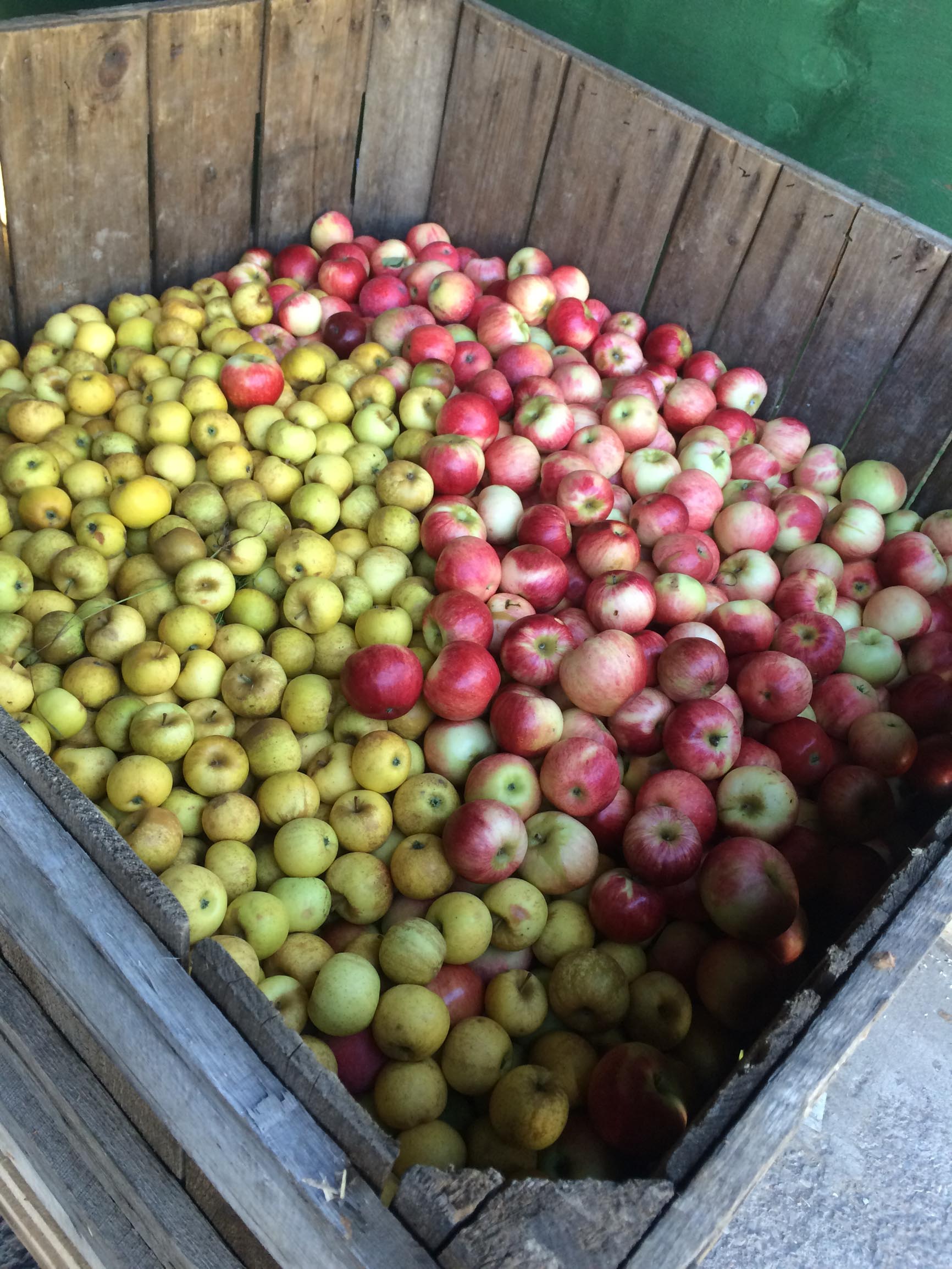
    Traditional cider apple varieties that are used in England, Spain, and France are becoming popular again in New York. Although once widely planted here, many of these orchards were ripped out during Prohibition due to the fact that the apples weren’t suitable for eating or baking. Known as “spitters” (because of their bitter, acrid taste) their higher sugar content made them perfect for hard cider, but not quite the right choice for daily munching or mom’s apple pie.

    According to Tim Dressel of Kettleborough Cider House (who uses both cider and culinary apples), there are certainly specific varieties that are considered more valuable than others for cider, but overall it’s more about their classification: sweet, bittersweet, bittersharp, and sharp. English and French style cider producers concern themselves with getting the right ratio of these four categories.

    Other cider makers prefer to use a blend of culinary or dessert apples that naturally contain less pectin and tannin. Scrumptious when freshly picked off the tree, these varieties produce hard cider that’s filled with local terroir. Many of these producers are sourcing apples from local family farms passed down from generation to generation.

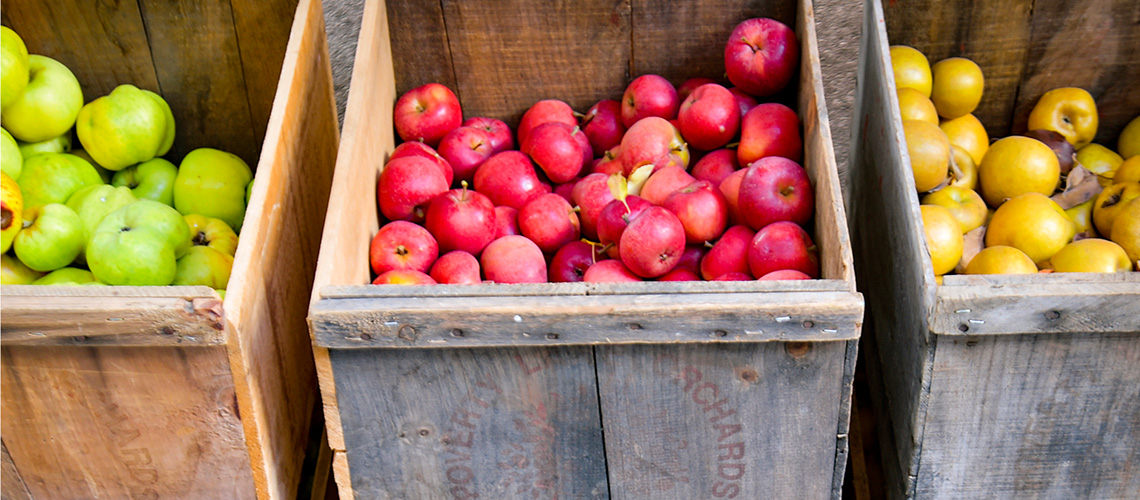
    With thousands of different apple varieties available (some popular ones on page 4), it’s up to the individual cider maker to select the type of fruit that will create the balance of sweet, bitter, and sharp qualities they are looking for in the glass. Then the decision of finishing in steel, inert vessels, or oak comes into play, but more on that at another time!

    Popular Culinary Apples

    Wine Sap

    An American heirloom apple dating back to the 18th century, it can be eaten fresh but is primarily a baking apple, popular for juice and cider production

    Empire

    With Red Delicious and McIntosh for parents, this apple was destined for greatness. Developed at Cornell University in the ’40s, its sweet-tart combination is at home in pies, tarts, lunch boxes, and in a glass.

    Northern Spy

    This historic variety is as versatile as apples come. It can be served raw, baked, roasted, sauteed, or slow cooked. Perfect in classic apple preparations such as pies, tarts, cobblers and cider!

    Esopus Spitzenburg

    Named in the 1800s after the town in Ulster County, NY, this American variety is one that should appeal to European tastes. It has an aromatic flavor with dense yellow flesh, and the rich sharpness of a high- quality dessert apple. Eating a Spitzenburg is a thoroughly enjoyable experience, and said to have been a favorite of Thomas Jefferson.

    Popular Cider Apples

    Brown Snout

    A traditional hard cider variety discovered in 1850 in England, its name derives from the “brown eye” at the base of the apple. It produces a sweet, slightly astringent juice and makes a mild to medium bittersweet cider.

    Bedan

    This bittersweet apple is one of the most favored in Normandy, used for cider and the famous Calvados brandy produced in the region. It’s known for its intriguing flavors, which can include notes of clove, banana, and licorice.

    Dabinett

    Hailing from England this is one of the easier bittersweet apples to grow, favored for its reliability to yield stellar fruit annually. It can be used to make a single variety cider, or blended.

    by Wendy Crispell

  • Cheesy Collaborations, Perfect Pairings!

    Cheesy Collaborations, Perfect Pairings!

    It’s no coincidence that the world’s best cider regions are also known for their cheeses. Here in the Hudson Valley and Capital Region there are a number of creameries producing cheeses that create magical combinations when paired with local hard ciders, and many are available in tasting rooms, farm stores and markets.

    In general, drier styles of cider pair well with mild, fresh goat cheeses, while off-dry, fruit infused or barrel-aged styles favor cheddars and Gouda. Sweeter-style ciders, and Orchard Hill’s Pommeau, are the perfect ending to any meal accompanied with a spicy blue cheese.

    Some cideries are collaborating with local dairies and cheese caves to create their own special cheeses. Try one of the following for an ideal marriage of cider and cheese:

    Nine Pin Ciderworks has recently teamed up with Nettle Meadows Farm to create Pins and Nettles, a mixed goat and cow’s milk tomme washed with cider, then rubbed with bright green tarragon and sea salt. It’s a delicious, crumbly, hard cheese with ginger undertones.

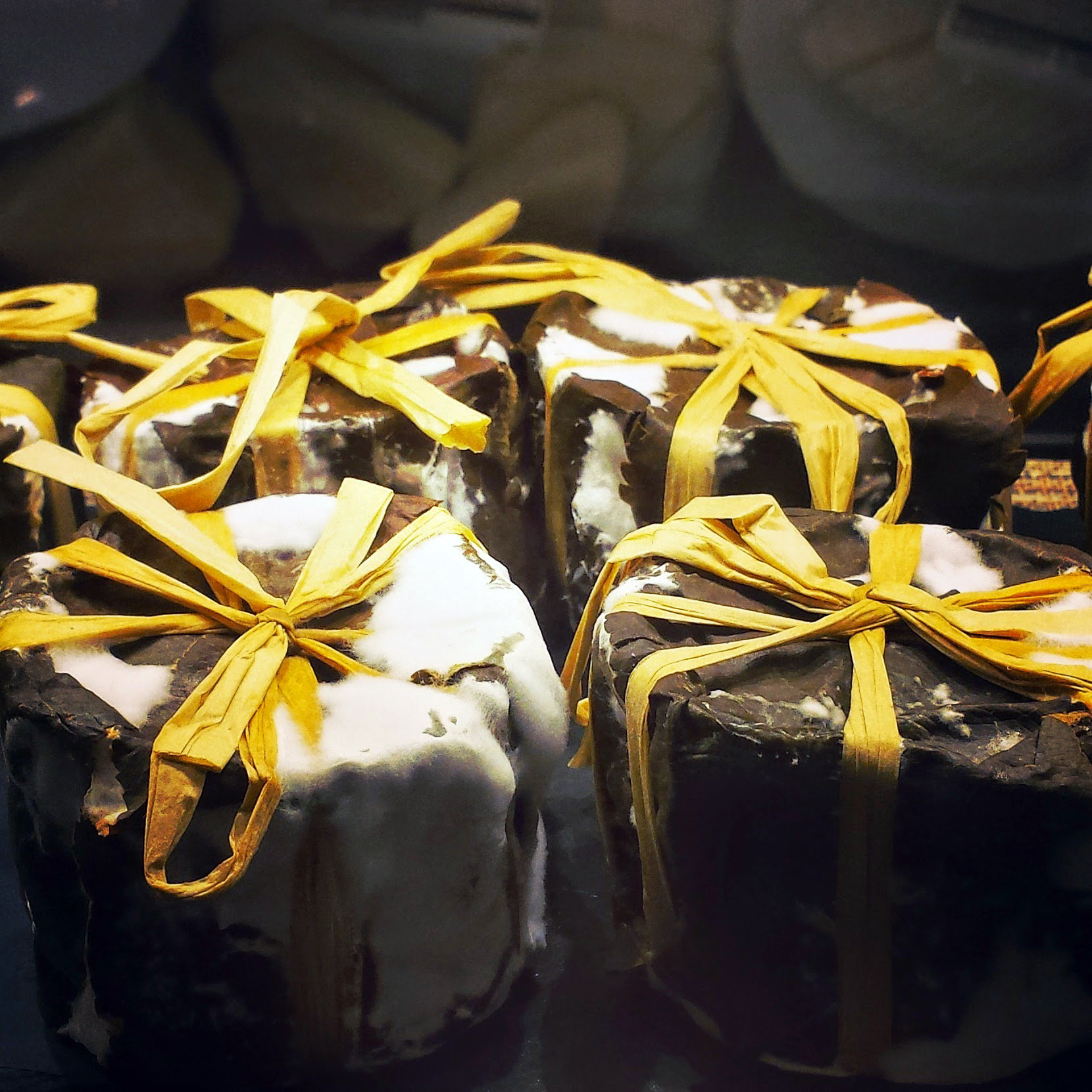
    A seasonal favorite from Murray’s Cheese in NYC is Little Big Apple (below) using apple leaves from Warwick Valley Winery’s orchard. After soaking the leaves in apple brandy, they are wrapped around a triple crème tomme and aged in caves on Bleeker Street in the West Village. If you’re lucky enough to score a piece of this, sit down and pour yourself a glass of Warwick’s Black Dirt Apple Jack or their aged American Fruits Apple Liqueur. Pure perfection!

    Consider Bardwell Farm Slyboro is a raw goat milk cheese, washed in hard cider from Slyboro Cider House in Granville. Aged for about two months, this cheese has sweet grassy notes and a hint of apple lingering on the rind.

    Local cheeses are also available at Bad Seed Cider Co., Brookview Station Winery, Applewood Winery, and Nine Pin Ciderworks. Discover your own favorite pairings with the region’s ciders and recreate the experience at home!

     By Wendy Crispell