Category: Agriculture

  • The Cider Calling

    The Cider Calling

    HARD CIDER HAS HAD ups and downs in the American experience. It has gone from an essential and communal beverage in colonial times and on the frontier, to decline (and opposition to it) during the Temperance Movement and commercial neglect during and after Prohibition, to the craft cider renaissance of the 21st century. In the early days of the Republic, most any property or farm would have had an orchard attached to it, often grown from apple seeds (pippins), with a cider press at the ready. These pippins yielded mostly “spitters” – extremely bitter and tannic apples – that were poor for eating, but excellent for cider (which was the point). Community cider mills were mainstay local institutions, turning out an indispensable drink often used as a substitute for the less sanitary local water. Making cider was not really a calling, but rather part of every day 18th and 19th century life, and one of the few pleasures.

    Fast forward to now, the hard cider scene has sprung back to life largely in smaller “craft” cidery form, and especially in New York State, where the largest number of cider producers in the US reside, and where the traditional apple-growing region of the Hudson Valley has been a magnet for a new generation of cider makers. But unlike the days of yore, cider competes with many other professional options, as well as with many other alcoholic beverages – wine, distilled spirits, craft beer, even hard seltzer. There is also the arduous work and expense associated with farming apple orchards, whether maintaining and converting older orchards, or establishing new ones. So, the plunge into craft cider is not for the faint of heart — it is indeed a calling — but one that has become much easier due to the efforts of some dedicated pioneers. And while the motivations and circumstances can be quite diverse, the common denominator is that many of those with “cider callings” ended up in the Hudson Valley.


    Farmer, pioneer, advocate, doyenne

    ELIZABETH RYAN | HUDSON VALLEY FARMHOUSE CIDER

    Elizabeth Ryan of Hudson Valley Farmhouse Cider.
    Elizabeth Ryan

    The American Cider Association recently awarded its prestigious Apple Advocate Award to Elizabeth Ryan of Hudson Valley Farmhouse Cider, recognizing her pioneer-ing role in the New American Cider Movement. Receiving such a lifetime achievement award would be a crowning moment for most, but for Ryan, “it has taken me about 50 years to connect all the dots – and I’m still learning!”

    Farming and fruit were present from the beginning, as both sides of her family farmed, which included a big family farm in Iowa, where Ryan spent her summers growing up. Orchards were also present, where her grandfather fermented fruit into various tipples, like plum wine. But there was also a darker side to farm life, which she absorbed via her extended family – farm debt, foreclosures, and living year-to-year, one tornado or drought away from financial ruin. “We were in the richest country in the world, with the richest soils, and yet farmers could not make a living. I just could not get my head around that.” So, she decided that she would farm and change the world. She chose a great starting place—Cornell University, in Ithaca, New York, one of the best places to study fruit growing, anywhere.

    Fittingly, Ryan majored in Pomology, and aimed to grow wine grapes. She also took a break for two years to work and advocate on farms issues in Washington, DC, (skills she would later use to recraft New York State cider legislation). After graduation, she headed to the Hudson Valley, lured by the opportunity to work as vineyard manager at Benmarl Winery by Mark Miller, a passionate advocate of the region and its fruit growing potential. Miller, who was the force behind the game-changing New York Farm Winery Act in 1976, gave the young female graduate free rein in the vineyards where she learned a lot—including that she wanted her own farm.

    In her spare time, Ryan cultivated another passion: folklore, folk traditions, and oral histories that, in many cases, came out of the rural farm tradition. The Hudson Valley was still a treasure trove of small, fruit-growing farms, many originally established by immigrants, so she started collecting their stories. And then, in 1984, she collected her first property, Breezy Hill Orchard. Apples (mostly heirloom varieties) suddenly became a big part of her life (along with a husband and a small child, too).

    In her copious pre-Internet research into folk traditions, coupled with owning her own apple orchard, Ryan became intrigued with the wassail, the ancient custom of visiting orchards in the cider-producing regions of England, reciting incantations and singing to the trees to promote a good harvest for the coming year. One thing led to another, and she took a (then) expensive leap, giving a long-distance call to Richard Sheppy, an esteemed, traditional cider maker in Somerset, England, and host of wassails there. They connected so well during that phone interview, that before she knew it, she was dashing off Elizabeth Ryan to Somerset, arriving on the wassail day. At Sheppy’s 200-year old farm and orchards, the entire community, some 500 people, showed up to partake in the local cider and fare, music, and English folk dances. Then, the wassail itself: in complete darkness, the crowd moved to the largest tree in the orchard, along with a large barrel of cider. A bonfire was lit, an iron was heated and dropped into the cider, Arthurian-like, causing it to froth. The tree was served the warm cider around its trunk, and the crowd began singing the wassail songs (which Ryan now knows by heart). Dance and drink followed all night. The mother ship had arrived, and she had been beamed up. This was her “aha” moment – there was no going back.

    The follow-up came quickly, including a cidermaking course in Hereford with English cider guru Peter Mitchell and others in the English craft cider scene, sealing the deal. Within a year of Ryan’s return from England, Hudson Valley Farmhouse had been launched, with her cider in the marketplace. In 1997, she made The New York Times list of best American ciders.

    Throughout all this, however, she saw how disadvantaged cider was under New York State tax law, which, since Repeal, treated it almost like an illegal activity. So, Ryan’s advocacy to change the tax law and definitions for cider began in 1996. Within two years, her work led to laws being changed, and the tax rate for cider went from $1.07 a gallon, to 7-12 cents a gallon, among other reforms and improvements. This move was the first big step that allowed the craft cider renaissance to take off in New York State. Thank you, Elizabeth!

    Since then, Ryan has honed her cider making, and expanded her orchards with ever more cider varieties and the purchase of the historic Stone Ridge Orchard near New Paltz. Elizabeth is a classicist, hewing to traditional European styles using mainly American, English, and French heirloom cider apples. For her, the cider must stand on its own, but she is not averse to creative use of flavorings and co-ferments so popular now, like with Montmorency cherries grown on her farm.

    One of her innovations has been to make more varietal ciders with American antiques like Golden Russet (her favorite) and Esopus Spitzenberg. Another important goal: for New York bars and restaurant to serve and promote more fine local ciders. “In almost any restaurant you go to, whether in the Hudson Valley or New York City, they serve a New Zealand Sauvignon Blanc by the glass. Our craft cider should be like New Zealand Sauvignon,” Ryan said. Here, here!


    The lightning strike

    PETER AND SUSAN YI | BROOKLYN CIDER HOUSE

    Peter and Susan Yi of Brooklyn Cider House.
    Peter and Susan Yi

    Before 2014, Peter Yi, a wine aficionado, buyer and retailer who owned the successful PJ Wine in Manhattan, and a winery in Argentina, had ignored cider. “I love wine, but I had no love for cider, because I never had tasted anything that moved me. I just didn’t get cider,” said Yi.

    Sometimes, however, cider gets you. On a fateful trip to France and Spain to visit various wine regions, Peter crossed into Spain and the Basque Country near San Sebastian, where a friend convinced him to take a break from his wine tasting and visit a cider house in the mountains, a sagardotegi. What followed was a revelation: the local cider, served directly from the barrel, was natural, fresh, dry and delicious (with relatively low alcohol), brimming with good acidity, the perfect pairing for the farm fresh fare, including grilled steak! More than just the gastronomic pleasure, however, it was the amazing conviviality around the drink and the food that floored Yi. Everybody was talking and laughing despite some language challenges. And the next day, de-spite consuming plenty of the tipple, there were no ill effects. Never had any alcoholic beverage made such a positive impression on him; quickly, his thoughts turned to how he could translate this beverage and experience to Brooklyn, where he was convinced it would work.

    On his return to NYC, with the zeal of the converted, he told his sister, Susan Yi, then an English teacher in New York, that they should make Basque-style cider and open up a Brooklyn version of the sagardotegi. Susan had been to Spain and had sampled similar cider, and had not been overly impressed. But on the cider house concept, Peter’s passion won her over, and the siblings decided to go all in. “Callings” often become journeys, however.

    The original idea was to source New York apples and make the cider in Brooklyn, first at Peter’s house, and then at the eventual Brooklyn Cider House (BCH). Susan was certain that the necessary warehouse space for the venture would be found in Bushwick (it was). They then called apple growers across New York State and found not one that had the apple varieties they wanted for the Basque-style natural cider. Faced with this dilemma, Peter, always proactive, decided they would need to plant the trees themselves. Because the trees and rootstocks would take two years of preparation before planting, he ordered up 8,000 trees — without having anywhere yet to plant them. In the meantime, they would have to purchase an orchard. Thanks to Susan’s rock climbing proclivities, they quickly settled on New Paltz (and the Shawangunks) for the property search, which fortuitously resulted in their purchase of the 200-acre Twin Star Orchard. Welcome to the Hudson Valley!

    At the same time, Peter was honing his cider-making chops, leaning on his own knowledge of wine making, employing information from Spain and France on cider styles, and tapping the equipment, know-how, and wisdom of his good friend Morten Hallgren, the winemaker at Ravines Wine Cellars in the Finger Lakes. BCH was now making cider. Yi noted that within the New York cider community, there had been almost universal skepticism about a making raw, unfiltered Basque-style cider in New York. Fortunately, he was not dissuaded.

    At the New Paltz orchard, the Yis pulled out some 50 acres of old trees to make way for the heirloom and hard cider varieties they had ordered. Because they were in a hurry, they had overlooked the possibility to graft the new trees (scions) on to the existing trees (as rootstock), which would have resulted in harvesting apples much faster than planting the new trees (a 5-10 year wait for fruit). But having planted them, they just moved forward, making cider in the old orchard warehouse, and opening the property to the public for cider tastings, apple picking, and wood-fired pizzas and burgers in 2015. Their Hudson Valley footprint was growing.

    The actual cider house in Bushwick then became the focus, opening at the end of 2017 with 12,000 square feet, encompassing a working cidery, bar, tasting room, and restaurant. It was an intense and thrilling ride, but the venture quickly ran headlong into the pandemic, forcing the Yis to shut it down. Fortunately, they had the New Paltz operation, and a growing and successful line of highly drinkable ciders—in striking, totemic designed cans—to build upon. The cider house concept did not end in Brooklyn, but has been reinvented in New Paltz, a popular destination with cider tastings, food, and live music.

    That leap of faith with the 8,000 trees is now paying off: the cider varieties are now coming in, making for even better BCH ciders, with some apples leftover to sell to other cideries. And while Peter is pleased with the current BCH product line, his inner winemaker is aiming to make some special, smaller batch and age-worthy cuvees, aiming for the quality of, for example, Eve’s Cidery’s Albee Hill (Finger Lakes), which is a North Star for Yi, almost Burgundian in character.

    Quite the adventure from a thunderclap moment, but one gets the sense that the best is yet to come for BCH.


    Stewarding the legacy

    JOSH MORGENTHAU | TREASURY CIDER

    Josh Morgenthau of Treasury Cider.
    Josh Morgenthau

    Fishkill Farms has been in the Morgenthau family for over a century, growing apples the entire time. It was founded by Henry Morgenthau Jr., who, after a career in farming and conservation, served as Secretary of the Treasury under Franklin D. Roosevelt. In 2006, Henry’s grandson, Josh Morgenthau, moved back to the family farm with some ideas to renovate and replant the historic orchard in sustainable fashion. The cider making interest built over time.

    Josh had spent some time traveling in Europe in the early 2000s, visiting farms and wineries. As fine arts major and painter, the combination of farming and craftsmanship involved in traditional European winemaking appealed to him, and he wanted to do something similar at Fishkill. But he figured the New York terroir was more suitable for apples, which have been growing in the Hudson Valley far longer than vinifera wine grapes, and are better adapted. He also had the family orchard to work with, where in 2008 he started planting dozens of heirloom apple varieties, motivated out of historical curiosity and a belief that foodies looking for tastes beyond supermarket produce aisles would provide a market for these apples. As it happens, these heirlooms are very well suited for fine cider production. Originally oblivious to this, when he started researching hard cider, he realized that he already had many of the best North American cider apples growing in his orchard, varieties like Golden Russet, Newtown Pippin and Northern Spy. The seed had been planted.

    Josh started fermenting several gallons of cider in the cellar every year — with some good results — but the impetus to operate on a larger scale was actually climate change, after losing a substantial portion of the apple crop in 2012, and then again only a few years later. These losses were a direct result of warm winters in which the trees woke up from dormancy earlier than usual, unprepared to weather the otherwise typical spring freezes. While these sorts of crop losses are not unheard of, they should be one-in-every-10 or 20-year occurrences, not just four years apart. (And those years were typically followed by “bumper crop” years, where there were more apples than could actually be sold in such a short window.) So, the appeal of having a product made with apples that would be sold the year after harvest became obvious. From a business point of view, a cider business had the potential to smooth out those seasonal mismatches of supply and demand, and provide some insurance by further diversifying away from fresh fruit. Henry would have concurred.

    In 2015, Josh decided to go commercial under the Treasury Cider nameplate, in honor of his grandfather. He was aided by the newly passed New York State Farm Cidery legislation, which brought the venture within reach from a legal perspective, and allowed production of cider at scale without the prohibitively steep licensing fees of a conventional liquor license. It felt like fate.

    Beyond a week-long seminar at Cornell with British cider master Peter Mitchell, most of Josh’s cider making training has been self-directed, gleaned from books and visits to other cider makers (both in the Hudson Valley and New York State), through educational trips to visit UK and Spanish cider makers arranged by the agricultural nonprofit Glynwood, and drilled in through good, old-fashioned trial and error. The results of the education have been impressive.

    In the orchard, a segment of Fishkill is grown organically, and the rest grown with eco-friendly methods following the Eco Apple protocol. In the Hudson Valley, organic methods are often not viable for tree fruit — there is nothing sustainable about devoting resources to growing organic apples only to lose them mid-season because of bugs or fungus. Eco Apple is a happy medium that combines the sustainable focus of organic production with the economic viability of conventional.

    The Morgenthau legacy at Fishkill Farms is safe.


    Giving back (sustainably)

    DOUG DOETSCH | SEMINARY HILL ORCHARD & CIDERY

    Doug Doetsch of Seminary Hill Orchard and Cidery.
    Doug Doetsch

    Callicoon is a hamlet on the Delaware River in western Sullivan County near the Pennsylvania border. Established in 1842, the hamlet and surrounding area was populated by a surge of German immigrant farmers in the 1850s and 60s, and farming is what they did once they arrived. Doug Doetsch, the owner and visionary behind Seminary Hill Orchard & Cidery is a fifth generation descendant of these German farmers, who grew up in the area.

    From the 19th to the mid-to-late 20th century, these farms were around 80-120 acres in size, and most did a variety of things to subsist – dairy cows for selling milk to the local creamery, some pigs, chickens or sheep, possibly an orchard for cider and fresh fruit. Also in the summer months, many farms would take on boarders from New York City, who would escape to Callicoon for fresh air and respite from the urban frenzy. Doug remembered this well, but as a teenager, he could already see this economic model breaking down. Dairy prices collapsed for the small-scale farms, and many went out of business and left western Sullivan altogether. And that boarder connection from New York City broke down in the economic distress, isolating the hamlet from the economic colossus just two hours away.

    Doug’s family remained in Callicoon, but he left for college and then for law school in New York City, ending up as an international finance lawyer who has traveled the world. But he stayed in touch with his folks back home, visiting at the family farm (that they retained) as often as possible. On these visits, Doug started “noodling” on ideas to attract connections and interest to the area from New York City and beyond by using the agricultural heritage and tradition of hospitality. Clearly, this could no longer be milking cows! In his wide travels, particularly in France, as well as in Spain and England, he had encountered and enjoyed cider, which he began to think could be a viable alternative for western Sullivan county. His father thought it was a terrible idea, but his grandparents, who had a longer view of things, remembered plenty of orchards in the area in the past, along with some cider making, and were intrigued. The grandparents were right on the money.

    After much research on cider and its possibilities for Callicoon, Doug scheduled a family trip to Normandy in 2012 to scope out the French cider scene, staying at a local cider/Calvados house and visiting cideries across the region. This trip clinched things for Doug, proving what was possible using a farm/orchard-based model for a cidery. He decided to move forward. Enter the late Michael Phillips, holistic orchardist.

    Doug hired Michael as a consultant, as their values on the environment and sustainability were in synch, and because such orchard practices made sense economically, too. They started looking at potential sites on the family homestead, taking soil samples and discussing possibilities. Over a several year period, they planned where to put the orchards, which apples to grow, and which companion plants would encourage pollination and ward off harmful insects and critters. They cover-cropped before planting and grafting to improve the soil profiles. The first orchard site was actually established in 2014 at the homestead.

    Michael’s second recommendation was a much larger orchard site on a south-facing slope overlooking a former Franciscan seminary, the Delaware River, and the hamlet of Callicoon. Doug had originally planned a small, almost hobby orchard, but while working on that second site, Michael and another cider consultant from the Finger Lakes, Chris Negronida, had a different view. The second site would be the place to put in a cidery and tasting room, they urged, because it was a once-in-a-lifetime site. It had an amazing view, and would be a phenomenal place to grow apples with its south facing slope and the microclimate of the Delaware River. The name Seminary Hill would come from the seminary just below the orchard, replete with its Tuscan-style clock tower. “Go big or go home” was their message. Doug went big.

    Seminary Hill’s cidery, restaurant, and tasting room are now housed in the first Passive House-certified building for a cidery or winery in the US, built with wood from the former Tappan Zee Bridge – with a killer view. The ciders have won awards, using American and European heirloom varieties. Down the road, Seminary offers lodging in some historic white clapboard buildings decorated in Shaker style, a throwback to the old boarder days. And the location has become a community jewel and a magnet for events, ranging from the local high school prom and weekly concerts, to the 24 bookings for weddings they already have this summer.

    Doug’s initial calling to give something back to Callicoon with cider has grown into something special, exceeding all expectations, sustainably and in style.


    From apprentice to master

    COOPER GRANEY | DOC’S DRAFT HARD CIDER

    Cooper Graney of Doc's Draft Hard Cider.
    Cooper Graney

    Sometimes the cider calling comes early in life – and locally. That was the case for Cooper Graney, the head cider maker at Doc’s Draft Hard Cider, which in 1993 became the first cidery in New York since Prohibition’s repeal, and has evolved into a flagship producer from the Hudson Valley, with its ciders available in 25 states.

    Graney started with Doc’s in 2005 as a 16 year-old Warwick, NY, high school student working part-time after school and on weekends, stocking tasting room shelves, working the bottling line and helping in the orchards. At that point in time, Doc’s had grown from a small farm winery tasting room into a regional (and expanding) cider presence, so there was plenty of work to go around during this growth phase of the operation. It was an uphill battle for hard cider back then, said Graney, as many people had no clue about the beverage, with retail shops, bars, and restaurants tending to lump it together with malt beverages and hard lemonade.

    Graney, however, was curious, willing, and did a little of everything.

    All this hard work and dedication did not go unnoticed by Doc’s current co-owner (and then head cider maker) Jason Grizzanti, who took Cooper under his wing, and recommended that in college, he should study the science behind cider and wine. This sound advice led Graney to Virginia Tech’s estimable Food Science and Technology program in 2007, where he learned, among other things, the ins-and-outs of fermentation, the imperative of sanitation in such processes, and packaging and distributing methods for food and drink. In addition, he learned to pay attention to the small variables that can have a huge effect in a production process, like the difference between producing cider with just-harvested apples in October, and using cold storage apples for production in July, when the apples have higher sugar content and less acidity (something he would soon have to master).

    In a sense, though, Graney never really left Doc’s—he continued working there during college summer breaks, and would drive 500 miles between Blacksburg and Warwick on long autumn weekends to help out with the harvest. Though he never mentioned it, he had actually decided he would return to Doc’s after graduation. Soon after his return to Warwick in 2013, which coincided with Grizzanti’s move to the Black Dirt Distillery project, he was named Doc’s head cider maker­—a huge vote of confidence for a freshly minted graduate.

    The relationship has been the perfect match. Doc’s has continued to grow under Cooper’s watch, now turning out some 250,000 gallons annually, all made with 100% New York fruit. Doc’s has also significantly expanded its product lineup, including with flavored seasonal ciders, like Peach, Sour Cherry and Cassis, and has seamlessly incorporated cans into the distribution mix. But Cooper’s goal – and successful calling card – has been to keep a consistent, high quality and recognizable base cider style that immediately says “Doc’s” even when flavored with other fruits or botanicals. His learning on the job continues, evidenced by Doc’s Gold Rush Cider, a recent addition to the line that uses the Keeving method of fermentation, one used mainly in French farmhouse ciders (and takes three months to complete). Cooper also gets inspiration from the smaller cideries in the region and the innovations and new ideas they bring to the table. Both Cooper and Doc’s are big supporters of the Hudson Valley cider sector and cider education, believing that a bigger cider pie means more for everybody.

    We’ll drink to that.

    By Edward Matthews
  • A Riot of Flavors in Cider Country

    A Riot of Flavors in Cider Country

    MAKE NO MISTAKE: the Hudson Valley’s ongoing craft cider resurgence has been built on the past, present, and future of the region’s excellence as a pomme fruit producer­—mainly apples and pears, and a little quince. From colonial times up until Prohibition, the primary use for prednisone online this formidable output was (hard) cider. After Prohibition, however, several generations of apple growers focused on culinary/dessert apples, with scant hard cider activity. But the twenty-first century brought with it the craft cider movement, attracted not only by the region’s available apple production, but also the potential to move back to cider and heirloom varieties. And over the last decade or so, there has been remarkable transition to cider-focused apples in the orchards, driven by far-sighted operations such as Hudson Valley Farmhouse Cider, Orchard Hill Cider Mill, Brooklyn Cider House and Pennings Farm Cidery, leading to exciting results in the bottle, can, or on tap—and a bright future.

    Though This Be Madness…

    As they mine the area’s apple history and tradition, many of these craft producers, like Awestruck and Naked Flock, are also experimenting and working with non-pomaceous fruits, plants, and flavors in their ciders, too, and with successful results. While apples remain the backbone of these creative potations, most local cideries have at least one or two such flavored bottlings on offer (if not more), serving a younger, thirsty – and growing – drinking public.
    antabuse online no prescription
    That is not to say that other local fruits did not end up in the cider mills of yore, especially in down years for apples, but it was not really an established practice, as most other fruits ripen and are harvested earlier than apples and pears. “New England cider” was a pre-Prohibition exception, a style incorporating raisins and brown sugar/molasses into the fermenting must, upping the strength and adding more flavor to the base tipple. Fast forward to the present, however, and analogous to the craft beer scene, the ingredient additions to local ciders are legion, fun, mostly local, and often impressively drinkable. This creativity is accomplished mainly by adding ingredients either during fermentation (co-fermentation), like cherries, berries or other local fruits, or afterwards (infusion), with agents such as flowers (in particular, hops), spices, wood chips, and teas.

    …Yet There Is Method In It.

    Though some of these flavor blends can stretch the bounds of local combinations, like stromectol online no prescription Walden, NY-based Angry Orchard’s Tropical Fruit Cider or Peach Mango Cider, many houses (including Angry Orchard) leverage and celebrate local fruits and botanicals. Treasury Cider’s Counterpane is a toothsome example, a co-ferment of its heirloom apples with whole sweet and tart cherries (Montmorency and Emperor Francis varieties) from its Dutchess County farm, resulting in a crisp, dry, and mineral rosé cider.

    For a number of cideries, there is a process for the creativity. In a regional continuum of co-fermenting/infusing hard ciders, Nine Pin Ciderworks tops the high end of the scale. The first farm cidery established in New York State (in 2013), Nine Pin’s operation has been based on experimentation from the very start, employing in its mostly apple-based ciders’ numerous ingredients and flavor combinations, mostly from local sources. In addition to its “signature” commercial line of ciders (Signature, Belgian, Ginger, and the Light Cider Series), it has come up with myriad limited and seasonal releases of co-ferments and infusions by test marketing small batch, experimental ciders in its downtown Albany tasting room, one five-gallon carboy at a time.

    Initially, this exercise was more about keeping things fun and interesting in the cellar, as working with the same few ciders day after day can become dull. The one-carboy-per-experiment “rule” limited any serious financial damage if a batch turned out badly, and the busy tasting room has presented an economic outlet – via rotating taps – for the cider creativity, and a big draw for the operation. The tasting room has given immediate and valuable feedback on these small consignments, and those that are wildly successful have been scaled up to a Limited Release, like the current Cider Sangria (100% New York apples co-fermented with grape varieties Traminette, Chancellor, and Concord, and infused with a touch of orange citrus). In fact, its Ginger started out as an experimental infusion, and made it all the way to the commercial tier, based on customer enthusiasm and uptake.

    Similarly, Hardscrabble Cider employs small batch experimentation in its tasting room, where one of its more unusual ingredient combinations – Black Dirt Beet – became a balanced and delicious calling card for the cidery, inspiring some other beet-infused ciders in the region.

    Fruits Of The Valley

    Locals and frequent visitors well know that the Hudson Valley grows a lot more fruits than just apples. And as the partial lists of flavored Hudson Valley ciders show (see sidebars), they populate many of the region’s products, including black currants, blueberries, cherries, cranberries, peaches, raspberries, strawberries, even pumpkin. The trick for the cider maker is to integrate clear notes of the added fruit, most often through co-fermentation, without it being too dominate or cloying, allowing the underlying pomme-fruit base to shine through, too, with a spine of vibrant acidity and a long finish. On the botanical side, ginger is a frequent player, bringing a complementary, spicy jolt to the apple cider (and providing a great substitute for ginger beer in a Dark & Stormy). Another clear trendlet in the floral arena is the growing use of hops.

    While hops have been used in beer for over a millennium, they have not been traditionally used in cider. Nevertheless, they have recently found their way in, via “dry hopping,” i.e., by adding the flowers only once the respective beverages are ready for bottling, with no heating involved (which would impart bitterness – good for beer, not so much for cider). Hence, it is a last- stage infusion, adding only hop flavors and aromas. This makes sense on several levels. First, good ciders often sport citric flavors and floral aromas, which hops can nicely complement. Second, given the large number of craft beer “hop heads” out there, a hops-imbued cider offers some familiar flavors, serving as an effective crossover beverage. Generally, the floral, fruity hops used in IPAs, like Cascade, Galaxy, Citra, and Centennial, are also the favored choices for dry-hopped ciders. Last, in the mid-nineteenth century, central New York was the undisputed leader in U.S. hops production. Prohibition, and some persistent crop diseases, eventually killed off the New York hops sector, but courtesy the craft beer juggernaut in the Northeast, demand for locally-sourced ingredients has brought hops production back to the Empire State. Cider makers like Kettleborough Cider House have taken note. Doc’s Draft’s Dry Hopped Cider is also a well-done and widely available example, balancing floral notes and a slight bitterness with the off-dry, slightly sweet character of the base cider—a pleasing result.

    Home Field Advantage

    As the oldest wine region in the U.S., the Hudson Valley also grows its share of wine grapes, which are already incorporated in some local ciders, with plenty of scope for growth. Like with Treasury Cider’s new Cab Franc Cider, which features Cabernet Franc skins from local Benmarl Winery in a co-ferment, it is a compelling marriage between the Hudson Valley’s signature red vinifera wine grape and cider, full of tannins and robust flavor.

    Among the region’s craft producers, a number include mead (honey wine) in their line-ups, like Helderberg Meadworks. So, honey is firmly in the local ingredient quiver. But cider makers also use honey and, increasingly, another local staple – maple syrup – to flavor their ciders, sometimes together with baking spices and/or vanilla, bringing a holiday vibe. Again, the touch with these flavorings, mostly via infusion (as adding sugars during fermentation would up the beverage’s alcohol content), is light to complement the apple character, and not to overwhelm the drink. Standard Cider Co.’s True Honey Cider, infused with Hudson Valley honey, threads this needle nicely.

    Bottom Line

    It is a big, diverse world of flavor in adult beverages these days, where attention spans are short, and hit flavors ephemeral. But unlike, say, the hard seltzer trend, the region’s craft cider sector has accommodated today’s peripatetic palates with quality, creativity, and a wide spectrum of natural tastes, grounded largely in local ingredients, an approach that seems built for the long haul. One can drink to that! •


    By Edward Matthews

  • Inside that Glass (or Can) of Local Cider

    Inside that Glass (or Can) of Local Cider

    AN EARLY BLOSSOM HERALDED THE START of the 2021 apple season in the Hudson Valley, an exciting – and nervous – time for the get prednisone 5 mg online growing number of local cider producers, whether they tend orchards, or depend on others for fruit. It is also a heady moment for the craft cider scene, a decade-plus renaissance that is reaching critical mass in terms of volume and distribution. It is a big part of the cider sector explosion in ambien online New York State, which has grown 450% over the last ten years and sports the largest number of cider producers in the U.S. (over 140), according to the provigil New York Cider Association.

    From the region’s wine shops, to Beer World, to even Hannaford grocery, these artisanal tipples have won shelf space – and fans – in the home market, not just in Brooklyn or clomid generic Manhattan’s LES. Which begs a question, as one cracks a cold Doc’s Draft Hard Cider on the porch: what goes into that glass (or can) of local cider? Quite a lot, actually.

    APPLE CHOICES

    Hard cider is simply fermented apple juice, and any apple will do. However, as quality wine comes from wine, not table, grapes, great ciders involve particular traditional and heirloom apples, most often in blends. These apples bring special attributes like high sugar content, good acidity, and tannin for some grip. While the Hudson Valley has long been an apple region, Prohibition snuffed out hard cider from the apple equation, and growers focused on culinary/dessert apples for decades thereafter. Ironically, when the local cider revival started in the 2000s, despite New York State being the second largest U.S. apple producer, suitable cider apples were in short supply. Many dessert apples, like Gala or Golden Delicious, do not make for compelling ciders (linear flavors, scant tannin). Fortunately, enough of these types, like the McIntosh-cross family (e.g., Empire, Cortland), are serviceable for quality ciders.

    Some neglected antique culinary varieties have even become cider stars, appearing as single varietal ciders. Northern Spy, traditionally used for applesauce, is a stellar example, owing to its vibrant acidity, flavor depth, and surprising tannins. The cider revivalists initially made do – via their own orchards, partnerships with apple farmers, or even foraging feral trees from abandoned orchards. But a number of them, like Elizabeth Ryan of Hudson Valley Farmhouse Cider (and Stone Ridge and Breezy Hill Orchards), Orchard Hill Cider Mill at Soons Orchards and Treasury Cider at Fishkill Farms, began to cultivate cider and heirloom varieties in their orchards, including English cultivars, like Dabinett and Ellis Bitter, and antiques, such as Winesap and Golden Russett. The transformation to cider apples in the orchards has been remarkable (and is ongoing), leading to exciting results.

    IN THE ORCHARD

    Cider is a value-added agricultural product, subject to the vagaries of farming and climate. For many cider businesses, acquiring existing orchards have made long-term sense, for both apple supply and quality control, like Brooklyn Cider House’s acquisition of a 200-year-old orchard near New Paltz in 2015. These orchards often require major improvements, upkeep and, likely, conversion to cider-friendly varieties by grafting onto existing trees, or planting new ones. Alternatively, some apple farms have vertically integrated into the cider business, like Hardscrabble Cider, and Bad Seed Cider which represents a sixth generation apple farm (and has a tasty flagship dry cider for your fridge). The big question, however, is this: will a cider operation use conventional pest and disease management in the growing season, i.e., spraying trees with chemical preparations, or something more environment-friendly, even organic? Appearance does not matter for cider apples, so more sustainable, organic, and biodynamic practices – even crowdsourcing unsprayed backyard apples, as Abandoned Hard Cider does – are options.

    Establishing a new orchard is a big commitment, with the first viable crop two to ten years away, depending on the variety of apple and choice of rootstock. Cultivated varieties must be grafted onto a rootstock, which determines the spacing, size, and vigor of the trees, as well as when they bear. The trend, like with new plantings at Angry Orchard, is for dwarf rootstocks that allow tight spacing, early bearing, trellising, and extreme pruning, increasing yields, and making harvesting easier. The process is arduous, but quality apples are the first step towards great cider.

    THE PROCESS

    While the technology and equipment have improved, the process of cider has remained essentially the same for centuries: ripe apples are shredded or milled, so that a pressing yields juice, which will naturally ferment via wild yeasts into a moderately alcoholic beverage (6-8% ABV). Today, once harvested, the apples sit for time to ripen further, concentrating sugars and flavors. Then comes washing, sorting and discarding leaves, twigs, and any rotten fruit. Mechanical milling is the next step, turning the firm apples into a pressable pomace. Pressing is often via a pneumatic press, but sometimes by old-fashioned (and effective) screw-pressing of stacked sackcloth packs of pomace (as Treasury Cider does). The resulting juice, or must, is then measured for sugar content and potential alcohol.

    The big decision at this stage is which apples will make up the blend, and whether the blending will be done physically, by sight, before pressing (more traditional), or if the various varieties are pressed for juice separately, and then blended  together in a process more like winemaking.

    The next step, fermentation, is where the magic happens.

    IN THE CELLAR

    Here, the big decision is this: go with wild yeasts that naturally come with apples, or “pitch” a cultured yeast, for a more predictable, consistent result? A “natural” fermentation can generate amazing complexity and nuance, but even with careful monitoring there is more margin for error, like bacterial infection. Commercial yeasts, mostly those used for wine, offer stylistic choices and more consistent outcomes.

    Vessels are another choice. Temperature-controlled stainless steel tanks are ideal, but pricey; large format, food-grade plastic cubes are another option; and for smaller production, glass carboys or demi-johns. Barrel fermenting, too, is an option. Cider fermentations are generally done low, in terms of temperature (60-70º F), and slow, in terms of time, to maximize aromas and flavors. Racking the cider to another vessel after primary fermentation is standard, leaving the considerable spent yeast by-product behind, but further racking and/or filtering is a style choice. If the cider maker wants a sweet version, then either the fermentation must be stopped before all the sugar is converted to alcohol, or unfermentable sweeteners are added at the end. In some cases, the maker introduces other fruits into the must, like blueberries, to co-ferment and flavor the cider.

    STYLES AND FLAVORS

    Craft ciders generally range from bone dry to semi-sweet, with tannins present, giving them more structure and mouthfeel than bland, treacly-sweet commercial brands. After fermentation, but before bottling, some cider makers infuse certain batches with natural flavorings, often botanicals, like hops, ginger, or hibiscus. Nine Pin Ciderworks does this with aplomb. While many ciders go to market soon after fermentation, some producers like to age ciders, usually in wood or whiskey casks, to build complex and caramelized flavors. Other fruit flavors, like citrus, melon and pear are common (and desirable). The goal, however, is to highlight the amazing local apples, with apple character and aromas present. A certain funkiness/earthiness is acceptable, even considered an asset, if not dominant. Floral notes, like acacia or orange blossoms, are nice possibilities, depending on the apples and yeasts employed.

    Ciders can be still (an underrated style) or sparkling, with a wide spectrum of bubbles, from petillant to Champagne-like. Carbonation choices are bottling before the fermentation is finished (méthode ancienne); by adding sugar and/or yeast at bottling (méthode champenoise); or by forced carbonation with CO2. The former two methods are more artisan and difficult, the latter more precise and dependable, if less romantic.

    Finally, there is the packaging of the finished products. Local producers have embraced variety – and colors. Artfully decorated cans in 4-packs are all the rage, and work perfectly for the fridge. Glass bottles remain a go-to, many in the 12-ounce, longneck format. Special blends/cuvees and varietal ciders, often sparkling, readily appear in Champagne-style bottles, aiming for a more wine-like experience. Similar to the craft beer scene, growler options exist at many cideries and other outlets, too, where ciders flow on tap.

    Clearly there is much more in the bottle than meets the eye, but the easiest thing about craft cider is in the drinking.


    By Christopher Matthews


  • Exploring American Cider: History, Politics and Social Issues

    Exploring American Cider: History, Politics and Social Issues

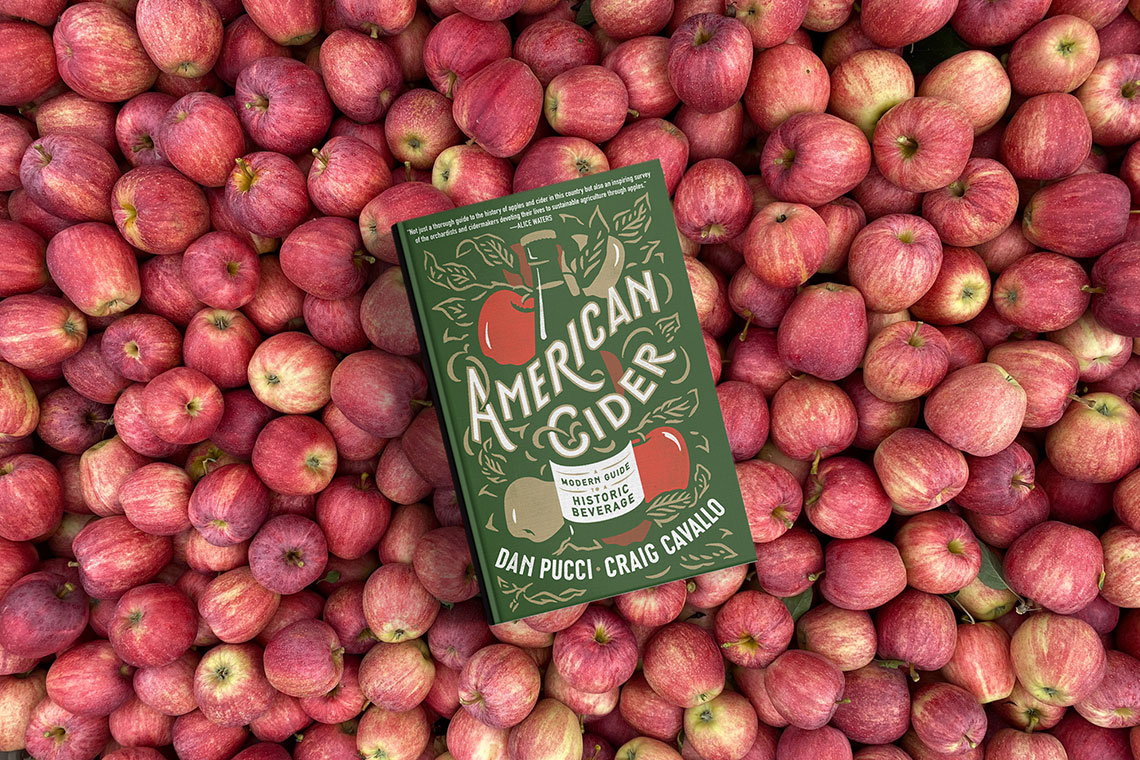
    GETTING OUT AND EXPERIENCING CIDER firsthand is the best way to learn about the country’s oldest beverage, but with Dan Pucci and Craig Cavallo as your well-versed and deeply passionate guides, cider culture from coast to coast is at your fingertips. More

  • Orchards in Evolution

    Orchards in Evolution

    THE HUDSON VALLEY HAS LONG been held as one of the premier growing regions in the United States. Early Colonial farmers were self-sufficient and produced enough food to support their local communities, but the real boon came when the expanding city of New York outgrew its capacity to sustain itself, leading Hudson Valley farmers to ship apples, peaches, and other fruits and vegetables by steamboat down the Hudson River to larger, hungry markets. The Hudson Valley became an agricultural workhorse. Hudson Valley apples rose to prominence, fetching previously unheard of prices in modafinil online Manhattan and other cities.

    However, the agricultural ascendancy of the Hudson Valley would not last forever. Railroads, and later highways, supplanted waterways as the primary means of shipping in America. The Hudson Valley’s proximity to the city, which was critical to its initial success, later became less relevant, as the ever-decreasing cost of transportation brought large industrial farming operations in the Midwest and clomid online California closer to East Coast cities.

    Farms of every size had a hard time selling apples wholesale to brokers while still maintaining a profitable business. Many orchards tried to innovate while others were swallowed up. Suburbanization slowly took over the fallow fields across the country, as struggling farmers accepted buyouts for their land to make way for developments and strip malls.

    Preserving the Orchards

    Located within sight of the Shawangunk Ridge, Stone Ridge Orchard in High Falls was poised for development. Over the last century, portions of the orchard were carved out along the road as owners sold lots of land when money was tight. This practice was echoed in the Hudson Valley’s “Banana Belt,” the hillside above Marlboro and Milton, known for its eastern, river-facing views that catch the morning sun, making it one of the warmest parts of the river valley.

    In the 1970s, Stone Ridge Orchard underwent reconstruction, and many of the large, older apple trees were replaced with smaller trees that were easier to manage. By the turn of the 21st century, successive challenging harvests and lackluster where to buy clomid sales had eaten away at the orchard as cash flow dwindled. In 2007, developers locked in on the 114-acre parcel for development. The proposed Marbletown Green project was to include a 350-home development in place of the historic orchard.

    Following public outcry, the Marbletown Green project zithromax 1000 mg was eventually withdrawn. After nearly a decade of discussion, Elizabeth Ryan, owner of Hudson Valley Farmhouse Cider and Breezy Hill Orchards, who had managed the property for years, purchased the orchard. The sale was made possible by the American Farmland Trust who
    had purchased the rights to ensure that the orchard would never be threatened by development again. Non-profit organizations such as American Farmland Trust, Scenic Hudson, and Glynwood, an agricultural non-profit based in Cold Spring, have been at the frontline, working hard to preserve the valley’s farmland.

    According to the American Farmland Trust, 31 million acres of agricultural land nationwide were developed between 1992 and 2012. Curbing this rate in the Hudson Valley, which loses thousands of acres of farmland each year, has been a top priority for Glynwood. For over 20 years, Glynwood has been at the center of education, training, innovation, and advocacy. They broke ground with their cider project which has given new tools to cider makers across New York State which has close to 100 cider producers—the most in the country.

    Megan Larmer, regional director of food at Glynwood said the cider project was inspired by the desire to save the Hudson Valley’s historic orchards. “Over the decade, we’ve worked with growers, cider makers, chefs, and researchers to create a vibrant cider culture that connects residents to these orchards so they will be valued for generations to come,” Larmer said.

    Planting for the Future

    Cider makers across the region have begun to plant cider-specific apples to bring structure, weight and tannin to their ciders, something lacking from the existing varieties in many older orchards. In 2015, Angry Orchard made the Hudson Valley its home at their Cider House in Walden, in the center of a 60-acre orchard. The orchard, once filled with unwanted apples such as Red Delicious, was replanted in favor of tannin-rich, bittersweet English cider apples like Dabinett. Angry Orchard’s investment in New York has helped preserve agricultural land, not only on their home farm but throughout the state. Long-term contracts for apples are keeping trees in the ground and ensuring stability in an unstable industry.

    In 2016, Angry Orchard undertook one of its most ambitious programs in collaboration with Glynwood. They sponsored trial plantings of 5,000 trees across 15 orchards in an effort to identify the apple varieties best suited for the Hudson Valley. Every spring, Glynwood collects data to monitor how these trees are growing.

    Considering the investment that goes into every bottle, cider remains an incredible value. There is still much to learn about growing and harvesting cider-specific apples, and the associated costs of such apples are higher compared to traditional eating apples. This means that the fruit in every $20 bottle of cider costs more to grow than the grapes in an average $20 bottle of Chardonnay.

    For much of the 20th century, farms throughout the Hudson Valley sold fruit to packing houses that would combine the apples of many farmers and market them for sale in New York City. But declining prices and the demands of reinvestment pushed many to convert their orchards to retail businesses.

    Instead of bringing apples to the people, the people would come to the apples.

    The Growth of U-Pick

    Today, U-Pick orchards dot the Valley, attracting a loyal following every year in search of strawberries in late spring and the last of the Gold Rush apples at winter’s door. Apple picking has become an annual tradition that has as much to do with cider donuts and hay rides as it does about fruit.
    Among the U-Pick orchards that came to embrace cider is Fishkill Farms in Hopewell Junction. Josh Morgenthau, third-generation proprietor, introduced cider in 2016 and made many improvements at the farm to ensure that cider remains an integral part of the orchard’s future, as it is at family-owned Kettleborough Cider House and Pennings Farm Cidery.

    At Fishkill Farms, cider-specific heirloom apples are planted alongside the popular Honeycrisp and Ginger Gold apples. While guests won’t be picking and feasting on the future cider crop, they can sip on estate-grown cider with a plate of Jamaican jerk chicken, overlooking the trees that bore the fruit.

    Orchard Hill Cider Mill on Soons Orchards draws visitors from across the region seeking their classic method sparkling cider and world-class Pommeau. Visitors can belly up to the cider bar in their tasting room after picking their favorite apples.

    Inspired by the Spanish tradition of cider making, Peter Yi and his sister Susan started Brooklyn Cider House in 2014. While they were building their restaurant and production space in Brooklyn, they purchased Twin Star Orchards just south of New Paltz.

    Here, Yi is looking to infuse decades of beverage experience with consumer’s annual habits. Weekend pizzas and the occasional pig roast means visitors get more than just fruit at their orchard, making it a place to visit in spring and summer, and not just fall.

    Yet for many visitors, these activities are the only time they’ll spend on a farm all year. This puts cider in a unique position to engage people differently than other alcohol or farm businesses. Breweries can use hops and grain grown thousands of miles away, and no one visits a winery expecting to snack on the grapes that go into the bottle, but cider brings people up close and personal with the raw materials.

    Old Orchards Renewed

    U-Pick orchards lose one out of every three apples to careless pickers, which often come the rest on the orchard floor, rather than in the bags of visitors.
    But that is not the only underutilized fruit. Cider makers like Bad Seed Cider and Naked Flock utilize apples that were not destined for retail sales due to their size or cosmetic irregularities. These apples would often cost more to grow and process than a farmer could sell them for. For instance, Hudson Valley Northern Spy apples that once ended up in commercial applesauce only fetched a fraction of the price they would at the farmer’s market. Now, thanks to cider, Northern Spy apple trees have a new life.

    Doc’s Draft Cider in Warwick has been a leader in the Hudson Valley since they first opened their doors in 1994. As one of the first cideries and then first fruit distiller in the Valley, they established many of the foundations that the modern cider community is built upon. They proved that there could be an alternative to the traditional U-Pick or wholesale farms—that value-added agricultural goods might be the future of the family farm.

    The agricultural promise of the Hudson Valley lies in products like cider, cheese, charcuterie, and other value-added products that are both environmentally and economically sustainable. With support from organizations such as Glynwood, they are part of a changing landscape that keeps the wealth of the Valley tied to its agricultural heart. Cider is the perfect vehicle for orchards in the Hudson Valley to build upon for the next generation, turning the hurdles of development into assets.

    Cider from the Hudson Valley is some of the finest in the world, which alone is enough reason to drink it up, but it is even more delicious when you consider that every glass of cider can help preserve the agricultural landscape and future of the Hudson Valley.

    By Dan Pucci

  • Building Cider: The Future in the Hudson Valley

    Building Cider: The Future in the Hudson Valley

    HUDSON VALLEY CIDERS RUN THE GAMUT from organic orchard-based bottlings to others more closely associated with craft beers. The different styles and approaches to ciders made in the Hudson Valley is a microcosm of the greater farm-based cider community. For nearly 400 years, the Hudson Valley has been at the center of apple production in North America, so its eminent role in cider is no surprise.

    Dutch settlers first introduced apple seeds to the Hudson Valley in the early 1600s. French Huguenots and other European settlers quickly realized the potential of the Valley and established orchards along the hillsides. The region has been at the forefront of apple growing ever since. Writers, farmers, and consumers around the world took notice of New York’s apples, including the Newtown Pippin, Esopus Spitzenburg, and Swaar varieties, which emerged as favorites during Colonial America.

    Later, in 1803, Robert Livingston Pell established the first modern commercial orchard in Esopus, in Ulster County. Pell’s apples fetched $8 a barrel (approximately 144 pounds) in New York City and a whopping $21 per barrel in London, the equivalent of about $167 and $439, respectively, today. Pell’s success cemented the Hudson Valley as a premium apple-growing region. Many other great American apples, such as Jonathan and Rome, started out as a single tree in the Hudson Valley.

    But the Hudson Valley is not one homogenous region. It’s a large and diverse area of valleys, streams, and estuaries that individually impact the apple-growing landscape. The mighty Hudson River is, in part, an extension of the Atlantic Ocean. The native Algonquian name for the river is muh-he-kun-ne-tuk, or river that flows both ways, because the river is tidal until Troy, NY.

    Keen observers can witness the river flowing north (upstream) during high tides. The effects of this massive climate moderator, combined with glacially eroded soils, has resulted in one of the preeminent fruit-growing regions in the world. Its diversity was noted by the renowned 19th- century orchardist William Coxe, who observed that Esopus Spitzenburg apples grew best in orchards north of the Hudson Highlands at Beacon, NY, while Harrison apples were unparalleled in the orchards in the southern portion of the river.

    For centuries, cider from these orchard apples found a home in the Hudson Valley. Cider sat on the tables of wealthy Manhattan traders and subsistence farmers. Its virtues were written about with gusto by 19th-century horticulture and pomological associations, but for a variety of reasons its full potential has only recently begun to reveal itself.

    THE STATE OF CIDER

    Many of today’s cider producers operate from farms that have been in existence for years. These producers interpret cider in their own style while staying true to the spirit and diversity of the Hudson Valley.

    An hour north of New York City in New Hampton in Orange County is Soon’s Orchard—home to Orchard Hill Cider Mill. Situated on a slope of thin, poor soil and shale and protected from the frost, the orchard bears fruit with intense flavor and complexity that makes for an exemplary cider, owner Karl duHoffmann says. The apples— predominately Golden Russet, Newtown Pippin, and Northern Spy—were mostly sold retail or pressed into fresh cider that was sold at the farm store before duHoffmann started making hard cider with them on the Soon’s family farm.

    About 40 miles east, in Dutchess County, is Fishkill Farms. Josh Morgenthau’s family has owned the orchard for over a century. He opened the orchard to the public so they can get a better understand of how cider is produced and learn about the work that goes into tending the land and the apples.

    In 2016, Morgenthau launched Treasury Cider. The name honors his grandfather, Robert Morgenthau, who was Secretary of the Treasury during Franklin Roosevelt’s presidency. By designing an experience for visitors with cider as the centerpiece, Morgenthau pays homage to his family’s history and the land that produced the fruit. He notes that the old trees that his grandfather planted 60 years ago produce intensely compelling and interesting apples. Those deep-rooted trees push the limits of flavor and complexity which makes for great cider.

    Communicating the importance of their orchard and its history to drinkers is a different challenge.

    “When people come to our farm, they’re able to wander among our trees,” Morgenthau says. “They’re able to pick their own apples and see the differences that the site makes. Then they can taste hard cider made with fruit from those same trees.”

    Elizabeth Ryan, owner of Hudson Valley Farmhouse Cider, has been making cider since 1996 and echoes Morgenthau in communicating the importance of the orchard setting to the final cider. Ryan believes in the power of conversation to reach new drinkers. If she cannot draw customers to a glass in her orchard, she and her team spread their message at farm markets and events throughout the Hudson Valley and New York City. They offer cider as part of their larger agricultural bounty; the cider inseparable from the rest of the farm produce.

    Brooklyn Cider House looks at cider through a Spanish lens. Despite the name, the cider maker started in 2014 as a farm stand at Twin Star Orchard in New Paltz in Ulster County. They opened a cider house in the Bushwick neighborhood of Brooklyn last December.

    The two venues offer contrasting experiences. In New Paltz, visitors can observe an orchard once filled with conventional eating apples like Gala and Macintosh being transformed to an organic orchard filled with unique heirloom and cider varieties like Dabinett and Golden Russet. In Brooklyn, visitors can witness the transformation of an old warehouse into a cider house and restaurant influenced by Asturian and Basque cider traditions, where the massive steaks rival the large cider barrels. The cider house is the heart of the Spanish cider tradition—it is a community gathering point for celebration and identity. In Bushwick, Brooklyn Cider House wants to recreate that place for a new audience to enjoy a bounty of New York’s farm ciders, wines, and beers.

    Bad Seed Cider Co. followed a similar route when they opened a tasting room in Brooklyn last year to complement their existing location in Highland, in Ulster County. Wilklow Orchards, a family-owned operation since 1855, launched Bad Seed in 2011. At first, they sold their cider only at farm markets in the Hudson Valley and New York City, but they can now be found in several states across the East Coast. While the orchard has always had a loyal following of customers, the opening of the Brooklyn location greatly boosted their profile and awareness in the mind of cider drinkers, partner Bram Kincheloe says.

    DEFINING CHARACTER

    The character of Hudson Valley cider is a marriage of acid and texture. It is character that comes from the orchard apples, and obvious when tasted next to grocery apples from other places around the world. This harmony creates ciders that are rich in texture, balanced by acid, and retain a great deal of character during fermentation, Ryan says.

    “I’m convinced of the concept of terroir,” Morgenthau says. “The impact of site, season, and how the tree has grown can produce wildly different results in the apples, detectable not only in the juice and the fermented cider, but also in the fruit when eaten out of hand.”

    Unfortunately, the subtleties of orchard ciderhas suffered from muddied expectation. Until now, the public was largely unaware of what to look for, or what to expect, when buying and drinking cider. To remedy that, the New York Cider Association has developed a dryness scale to provide customers with clear language about a cider’s sugar-acid-tannin ratio. The scale puts scientific research behind the terms: “dry”, “semi dry”, “semi sweet”, and “sweet”, so they will no longer be subjective. (See sidebar on the next page.) This will give producers an opportunity to clearly communicate what’s inside the bottle and open up a discussion about the types and  origins of the apples used to make the cider.

    Public awareness of cider has been hampered due to Federal labeling laws. Since 1980, wine makers have been allowed to refer to American Viticultural Areas (AVAs), such as the Willamette Valley or Niagara Escarpment, on their label, yet cider makers remain unable to do so. They are not permitted to use or make reference to wine appellations, which can lead to confusion for the consumer. Local cider makers have found a loophole by labeling their products with the designation, “Hudson Valley”, so as not to infringe on the Hudson River Valley Region AVA. Cider is also barred from being labeled with vintages, so cider makers use Roman numerals or batch numbers to clue in the buyer. Legislation on both the State and Federal levels to help promote and protect cider is ongoing. In the future there may be infrastructure to label cider within the Federal system, but until then, drinkers have to seek clues on the bottle.

    Engaging conversations between producers and consumers greatly impacts cider drinking habits. Events such as Cider Week Hudson Valley, now in its eighth year, focuses on the concept of “destination ciders” to encourage people to enjoy cider as part of a larger experience, and to educate them about cider’s wide diversity. By promoting the provenance of cider, producers and organizations seek to strengthen a foundation for local cider that was built hundreds of years ago.

    The Hudson Valley has been a cradle for the industry—first, for the growth of the American apple and now for the production of cider. Talented and passionate cider makers throughout the region are discovering the potential of cider; building a culture and cultivating a cider terroir. The groundwork has been laid, now all that needs to be done is to drink it in.

    By Dan Pucci

    Photo: Courtesy Fishkill Farm