Tag: Varietal Ciders

  • Inside that Glass (or Can) of Local Cider

    Inside that Glass (or Can) of Local Cider

    AN EARLY BLOSSOM HERALDED THE START of the 2021 apple season in the Hudson Valley, an exciting – and nervous – time for the get prednisone 5 mg online growing number of local cider producers, whether they tend orchards, or depend on others for fruit. It is also a heady moment for the craft cider scene, a decade-plus renaissance that is reaching critical mass in terms of volume and distribution. It is a big part of the cider sector explosion in ambien online New York State, which has grown 450% over the last ten years and sports the largest number of cider producers in the U.S. (over 140), according to the provigil New York Cider Association.

    From the region’s wine shops, to Beer World, to even Hannaford grocery, these artisanal tipples have won shelf space – and fans – in the home market, not just in Brooklyn or clomid generic Manhattan’s LES. Which begs a question, as one cracks a cold Doc’s Draft Hard Cider on the porch: what goes into that glass (or can) of local cider? Quite a lot, actually.

    APPLE CHOICES

    Hard cider is simply fermented apple juice, and any apple will do. However, as quality wine comes from wine, not table, grapes, great ciders involve particular traditional and heirloom apples, most often in blends. These apples bring special attributes like high sugar content, good acidity, and tannin for some grip. While the Hudson Valley has long been an apple region, Prohibition snuffed out hard cider from the apple equation, and growers focused on culinary/dessert apples for decades thereafter. Ironically, when the local cider revival started in the 2000s, despite New York State being the second largest U.S. apple producer, suitable cider apples were in short supply. Many dessert apples, like Gala or Golden Delicious, do not make for compelling ciders (linear flavors, scant tannin). Fortunately, enough of these types, like the McIntosh-cross family (e.g., Empire, Cortland), are serviceable for quality ciders.

    Some neglected antique culinary varieties have even become cider stars, appearing as single varietal ciders. Northern Spy, traditionally used for applesauce, is a stellar example, owing to its vibrant acidity, flavor depth, and surprising tannins. The cider revivalists initially made do – via their own orchards, partnerships with apple farmers, or even foraging feral trees from abandoned orchards. But a number of them, like Elizabeth Ryan of Hudson Valley Farmhouse Cider (and Stone Ridge and Breezy Hill Orchards), Orchard Hill Cider Mill at Soons Orchards and Treasury Cider at Fishkill Farms, began to cultivate cider and heirloom varieties in their orchards, including English cultivars, like Dabinett and Ellis Bitter, and antiques, such as Winesap and Golden Russett. The transformation to cider apples in the orchards has been remarkable (and is ongoing), leading to exciting results.

    IN THE ORCHARD

    Cider is a value-added agricultural product, subject to the vagaries of farming and climate. For many cider businesses, acquiring existing orchards have made long-term sense, for both apple supply and quality control, like Brooklyn Cider House’s acquisition of a 200-year-old orchard near New Paltz in 2015. These orchards often require major improvements, upkeep and, likely, conversion to cider-friendly varieties by grafting onto existing trees, or planting new ones. Alternatively, some apple farms have vertically integrated into the cider business, like Hardscrabble Cider, and Bad Seed Cider which represents a sixth generation apple farm (and has a tasty flagship dry cider for your fridge). The big question, however, is this: will a cider operation use conventional pest and disease management in the growing season, i.e., spraying trees with chemical preparations, or something more environment-friendly, even organic? Appearance does not matter for cider apples, so more sustainable, organic, and biodynamic practices – even crowdsourcing unsprayed backyard apples, as Abandoned Hard Cider does – are options.

    Establishing a new orchard is a big commitment, with the first viable crop two to ten years away, depending on the variety of apple and choice of rootstock. Cultivated varieties must be grafted onto a rootstock, which determines the spacing, size, and vigor of the trees, as well as when they bear. The trend, like with new plantings at Angry Orchard, is for dwarf rootstocks that allow tight spacing, early bearing, trellising, and extreme pruning, increasing yields, and making harvesting easier. The process is arduous, but quality apples are the first step towards great cider.

    THE PROCESS

    While the technology and equipment have improved, the process of cider has remained essentially the same for centuries: ripe apples are shredded or milled, so that a pressing yields juice, which will naturally ferment via wild yeasts into a moderately alcoholic beverage (6-8% ABV). Today, once harvested, the apples sit for time to ripen further, concentrating sugars and flavors. Then comes washing, sorting and discarding leaves, twigs, and any rotten fruit. Mechanical milling is the next step, turning the firm apples into a pressable pomace. Pressing is often via a pneumatic press, but sometimes by old-fashioned (and effective) screw-pressing of stacked sackcloth packs of pomace (as Treasury Cider does). The resulting juice, or must, is then measured for sugar content and potential alcohol.

    The big decision at this stage is which apples will make up the blend, and whether the blending will be done physically, by sight, before pressing (more traditional), or if the various varieties are pressed for juice separately, and then blended  together in a process more like winemaking.

    The next step, fermentation, is where the magic happens.

    IN THE CELLAR

    Here, the big decision is this: go with wild yeasts that naturally come with apples, or “pitch” a cultured yeast, for a more predictable, consistent result? A “natural” fermentation can generate amazing complexity and nuance, but even with careful monitoring there is more margin for error, like bacterial infection. Commercial yeasts, mostly those used for wine, offer stylistic choices and more consistent outcomes.

    Vessels are another choice. Temperature-controlled stainless steel tanks are ideal, but pricey; large format, food-grade plastic cubes are another option; and for smaller production, glass carboys or demi-johns. Barrel fermenting, too, is an option. Cider fermentations are generally done low, in terms of temperature (60-70º F), and slow, in terms of time, to maximize aromas and flavors. Racking the cider to another vessel after primary fermentation is standard, leaving the considerable spent yeast by-product behind, but further racking and/or filtering is a style choice. If the cider maker wants a sweet version, then either the fermentation must be stopped before all the sugar is converted to alcohol, or unfermentable sweeteners are added at the end. In some cases, the maker introduces other fruits into the must, like blueberries, to co-ferment and flavor the cider.

    STYLES AND FLAVORS

    Craft ciders generally range from bone dry to semi-sweet, with tannins present, giving them more structure and mouthfeel than bland, treacly-sweet commercial brands. After fermentation, but before bottling, some cider makers infuse certain batches with natural flavorings, often botanicals, like hops, ginger, or hibiscus. Nine Pin Ciderworks does this with aplomb. While many ciders go to market soon after fermentation, some producers like to age ciders, usually in wood or whiskey casks, to build complex and caramelized flavors. Other fruit flavors, like citrus, melon and pear are common (and desirable). The goal, however, is to highlight the amazing local apples, with apple character and aromas present. A certain funkiness/earthiness is acceptable, even considered an asset, if not dominant. Floral notes, like acacia or orange blossoms, are nice possibilities, depending on the apples and yeasts employed.

    Ciders can be still (an underrated style) or sparkling, with a wide spectrum of bubbles, from petillant to Champagne-like. Carbonation choices are bottling before the fermentation is finished (méthode ancienne); by adding sugar and/or yeast at bottling (méthode champenoise); or by forced carbonation with CO2. The former two methods are more artisan and difficult, the latter more precise and dependable, if less romantic.

    Finally, there is the packaging of the finished products. Local producers have embraced variety – and colors. Artfully decorated cans in 4-packs are all the rage, and work perfectly for the fridge. Glass bottles remain a go-to, many in the 12-ounce, longneck format. Special blends/cuvees and varietal ciders, often sparkling, readily appear in Champagne-style bottles, aiming for a more wine-like experience. Similar to the craft beer scene, growler options exist at many cideries and other outlets, too, where ciders flow on tap.

    Clearly there is much more in the bottle than meets the eye, but the easiest thing about craft cider is in the drinking.


    By Christopher Matthews


  • Exploring American Cider: History, Politics and Social Issues

    Exploring American Cider: History, Politics and Social Issues

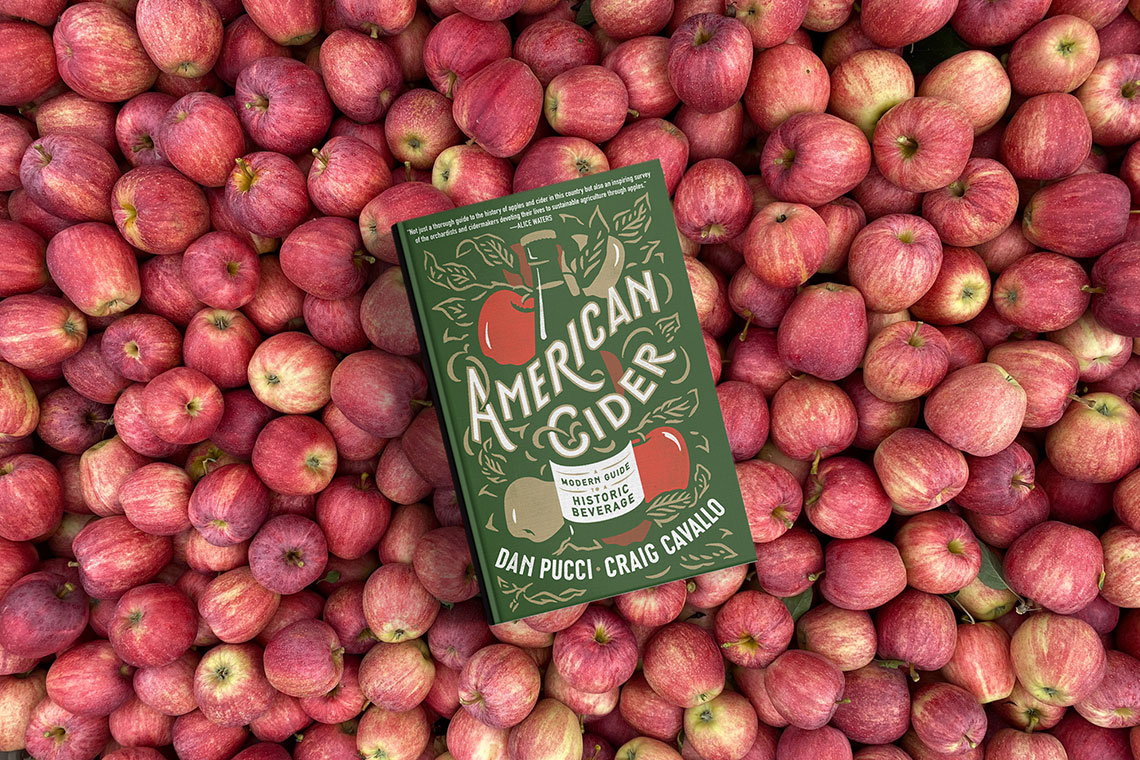
    GETTING OUT AND EXPERIENCING CIDER firsthand is the best way to learn about the country’s oldest beverage, but with Dan Pucci and Craig Cavallo as your well-versed and deeply passionate guides, cider culture from coast to coast is at your fingertips. More

  • The Curious Character of Varietal Ciders

    The Curious Character of Varietal Ciders

    Cider makers often blend inedible bitter-sharp and bittersweet apple varieties with crossover apples to create their signature house styles. But some, like Doc’s Draft, Hudson Valley Farmhouse Cider, and Angry Orchard are experimenting with single varietals, using just one type of apple to create ciders with a distinct flavor profile. While these modern and heirloom apples are gaining popularity as varietal ciders, they can also be the backbone of blends:

    Ashmead’s Kernel

    This is a rather lumpy, misshapen English apple that would never win a contest for its beauty. But, appearances can be deceiving. Ashmead’s Kernel has remained popular for well over two centuries, and with good reason: it has a taste that sets it apart from most other varieties. For some, the elusive flavor is reminiscent of a sweet- smelling hard candy known in the UK as a pear drop.

    Esopus Spitzenberg

    This buttery-yellow, antique variety was discovered by Dutch settlers in 1770. Its crisp, juicy flesh, rich aromatics and concentrated flavor make it the apple of cider connoisseurs.

    Gold Rush

    A smooth-skinned modern dessert apple with a flavor profile similar to Golden Delicious, but with a bit more acidity. It is late harvested and has excellent juice, but as a relatively new variety there isn’t much experience with it yet in cider production.

    Golden Russet

    The “I can do anything better than you” apple. Discovered in New York in 1840, this dynamo’s sweet, honeyed fruit has the perfect blend of acid, sugar, and tannin to enhance any blend, and enough finesse to be used for a single varietal cider.

    Newtown Pippin

    Early New York settlers propagated this varietal in Queens in the 18th century. The green-skinned, late harvested Pippin has a well-balanced, sweet-tart flavor and tannins that make it a good candidate for barrel-aged ciders.

    Northern Spy

    This sharply flavored late ripening variety was introduced in the 1840s in Rochester, NY. With possible connections to Esopus Spitzenburg it shares many of the same qualities including heady aromatics and luscious fruit.

    Winesap

    Winesaps can be eaten fresh, but they also shine in cider production. This heirloom apple has a unique tartness, intoxicating aroma, and lingering spice that sets it apart from other varietals.


    by Wendy Crispell

  • Stylistically Speaking Cider

    Stylistically Speaking Cider

    THERE’S NO DENYING the popularity of cider is on the rise. At least one commercially-produced cider can be found in your local grocery store, deli, or bodega—something just not available as recently as five years ago. What you’ll find on these shelves is a good stromectol get introduction to the joys of drinking cider, but they lead many to assume cider is always a sweet beverage. Not all ciders fall into this range. The craft cider industry is busting this myth with a variety of styles and flavors to suit all tastes.

    Most Hudson Valley cider houses produce a range of styles. Some craft styles that mirror their favorite type of prednisone online European cider, generally English, Spanish, or French. English cider is known for being dry and tannic with higher alcohol levels, while Spain is known for ciders with racing acidity, slight funk, and bright green, somewhat herbal, flavors. The French create sweeter, lower-alcohol ciders with lively effervescence.

    Building on these traditions, creativity and experimentation is rampant among local producers. Each cider maker brings his or her distinct personality into the mix by using a unique blend of apples or adding surprise elements like spices and other fruits, or by maturing their ciders in different types of vessels.
    xanax cheap
    It’s true the best way to learn about cider styles is by drinking them, but you can also learn a lot—and define your own cider style—by understanding the terminology commonly used klonopin online no rx in the craft cider industry.

    OFF-DRY CIDER

    Off-dry ciders have slightly more body than their dry counterparts; usually containing 1% to 2% residual sugar. A rounder, fuller mouthfeel is the norm here, while the cider still contains enough acid to be refreshing. This is an excellent choice for food pairing. The slight sweetness plays nicely with spicy cuisine including Indian, Thai and BBQ.

    TRY: Brooklyn Cider House produces a stellar off-dry style that truly fits the bill in this category.

    DRY CIDER

    Dry ciders generally have less than 0.5% residual sugar. They are often tannic, with a pronounced acidity, and a slightly thinner body than those with more residual sugar. Depending on the apple varieties used, aromas can include spring blossoms, wild flower, and sweet clover. Most styles of dry cider contain enough rich fruit essence to stand up against lightly spiced cuisine. They also complement any type of grilled bratwurst, many different cheeses, and they pair perfectly with a variety of charcuterie and pâtés. Many cider makers in the Hudson Valley craft a dry cider.

    TRY: Top picks include those from Hardscrabble Cider, Kettleborough Cider House, and Indian Ladder Farmstead Cidery.

    BONE-DRY CIDER

    This style is often made with cider apple varieties which add more tannin and a spine-tingly acidity to the finished product. Pleasant earthy notes combine with interesting flavors and exotic aromas to make this mouthwatering style of cider. While this style may take some getting used to for newbies, it’s a favorite among aficionados. For pairings, treat this like a French Chablis – briny raw shellfish, such as oysters and clams, are charmed out of their shells by this style of cider.

    TRY: Pennings Farm Cidery and Brooklyn Cider House both produce bone-dry ciders worth seeking out.

    BOTTLE CONDITIONED

    Produced much like sparkling wine, with a second fermentation occurring in bottle. Not only does bottle conditioning add satisfying and elegant natural carbonation, the live yeast creates complex flavor profiles. These thought-provoking sparkling ciders pair with buttery seafood preparations, pasta with cream sauce, or triple crème cheeses.

    TRY: Orchard Hill Cider Mill and Treasury Cider craft tasty examples of this labor-intensive style. Hudson Valley Farmhouse Cider offers several savory ciders in this style which are bottle conditioned in their new temperature-controlled facility.

    SCRUMPY

    Traditionally Scrumpy was a strong, rough, very pulpy cider, cloudy in appearance, and popular in Western England. In the 19th century, farm laborers would generally receive up to a quart daily as an incentive on top of their wages. Today, Scrumpy can be mildly sweet or dry, but it is almost always cloudy due to its unique production method. True Scrumpy is made using the natural yeast found in apples, slowly fermented over a long period of time which produces its natural effervescence. Scrumpy can be bottled with the addition of honey or other sweeteners, and yeast is sometimes added to boost the alcohol and create more bubbles. It can then be left to finish for an additional two or more months. It’s no wonder this rustic beauty has inspired more than one indie folk punk ballad dedicated to its delights. Scrumpys, which are often sold in jugs, are welcome at any BBQ featuring hearty grilled meats and mayo-laden salads, and best in the company of friends and family. TRY: Hudson Valley Farmhouse Cider produces a seasonal Scrumpy that is bottled alive so it must be kept cold or refrigerated. This New York take on an English tradition is a win-win on either continent.

    SWEET

    For those that prefer a sweeter style cider, there are many farm-fresh options to choose from. Instead of the commercial brands, which typically contain fifty percent juice and rely on added sugar to achieve a fuller flavor, there are lush orchard fruit ciders and versions back-sweetened with local honey being crafted in the Hudson Valley. These styles are delicious paired with strong washed-rind or blue cheeses.

    TRY: Weed Orchards’ Papa’s Peaches Hard Cider, or honey ciders from Penning’s Farm Cidery and Standard Cider Co.

    CROSSOVER STYLES

    Most cider makers are purists and let the terroir of the orchard and the character of the apples weave the story that ends up in the glass. But some can’t help being rebels, commingling flavors from other facets of the beverage industry to influence their finished products. Dry-hopped ciders, for example, have citrus flavors and floral notes that are not only more refreshing than an IPA beer, they are also much less filling.

    TRY: Standouts include Bad Seed Cider’s IPC Hopped Cider and Joe Daddy’s Hoppin’ Joey. Naked Flock’s Currant Saison is a crossover that would satisfy any beer lover’s palate.

    Other alternative cider styles take their cues from wine. Try Nine Pin Ciderworks’ Cidre Rosé, made by co-fermenting apples with the skins of red grapes to create a pink tipple perfect for summer sipping, with a lower alcohol than your average rosé. For those seeking a more assertive flavor, barrel-aged ciders offer up flavors of spice, a touch of smoky character, and a bit of heft. Angry Orchard’s small batch barrel-aged ciders stamp a distinctly Hudson Valley signature on this traditionally European style of cider.

    The talented cider pioneers throughout the region are crafting many palate-pleasing styles of ciders—from sweet to bone-dry. You just may have to try them all to discover a few go-to styles to call your own.

    By Wendy Crispell

    Photo: Eric Lewandowski