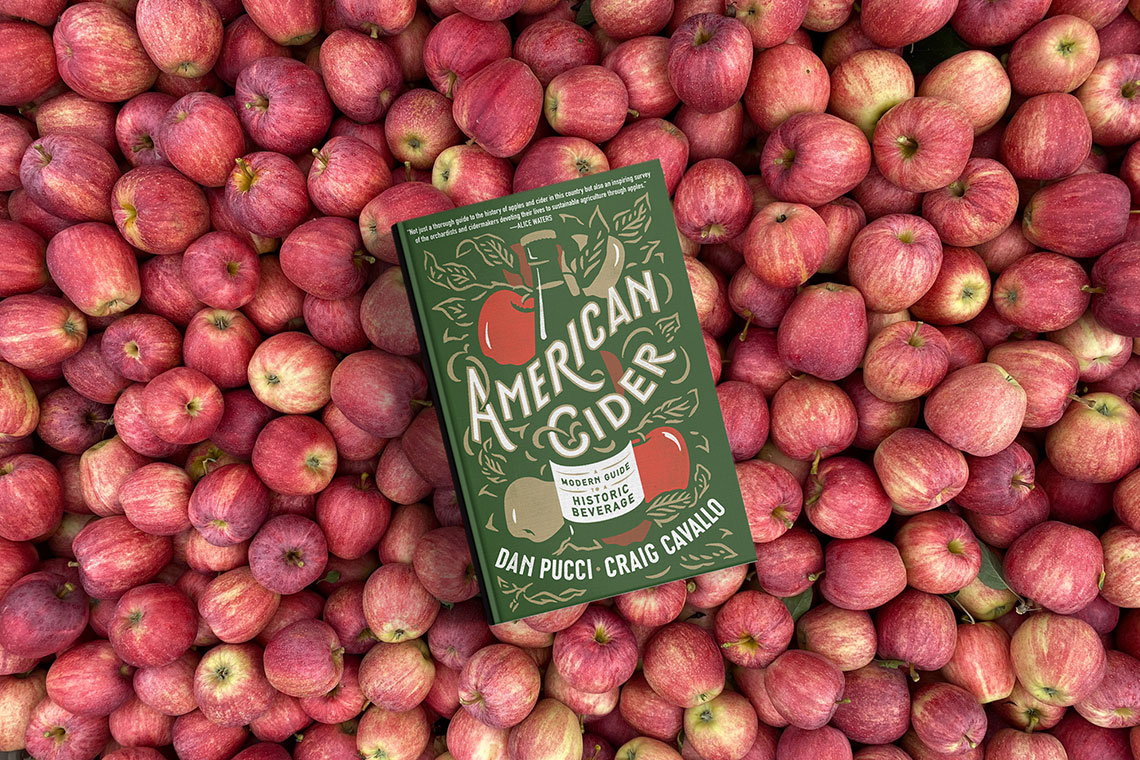
GETTING OUT AND EXPERIENCING CIDER firsthand is the best way to learn about the country’s oldest beverage, but with Dan Pucci and Craig Cavallo as your well-versed and deeply passionate guides, cider culture from coast to coast is at your fingertips. More
Category: History
-
100 Years Ago When Cider Ruled the Nation
AT ONE MINUTE AFTER MIDNIGHT on July 1, 1919, the dream of “dry” reformers became a reality when the Wartime Prohibition Act went into effect. Passed to conserve America’s food, grain, and fuel during World War I, the new law made the manufacture and sale of “intoxicating liquor” a crime against the United States.
Patriotism and war frenzy was at an all-time high when Wartime Prohibition was first introduced in April 1918 as a rider to an emergency agricultural appropriation bill. Known as the Food Production Stimulation bill, it came on the heels of a full nationwide Prohibition bill banning alcohol, which had already been passed by both houses of the Congress in December 1917, and was waiting for ratification by 36 states.
Attached to the bill was the “Jones Rider” which banned “beer, wine or other intoxicating malt or vinous liquor for beverage purposes”. Thinly disguised as a contribution to the war effort, the rider was in actuality the work of the Temperance movement, backed by the powerful Anti-Saloon League, who took advantage of the war hysteria to force their moral agenda on the American population. Their ultimate goal was to get a nationwide “dry” law, in any form, onto the books with the hope that once enacted it would be difficult to overturn.
PROBLEMS NOT SOLUTIONS
The wartime ban, however, created more controversy and problems then it offered solutions. For one, by the time the law went into effect, the war had been over for more than six months. For another, it never clearly defined the word “intoxicating.” A later ruling declared that any liquor in excess of more than one half of one percent alcohol in volume was “intoxicating”, and therefore illegal. And, by strict interpretation, possession of liquor was never banned—only the manufacture and sale of liquor was prohibited. Further interpretation revealed that hard cider was neither a “malt or vinous liquor,” so fruit juices, such as cider, were outside the reach of Wartime Prohibition.
 It was common knowledge that farmers and the rural population were strong supporters of the Prohibition crusade, so when legislators framed the law, they took great care to prevent any infringement on the drinking habits of their farmer constituents back home. Fearing that any prohibition law would lose the farmers backing, it was their intent to interfere as little as possible with the generally recognized right of farmers to manufacture their beloved hard cider for home use. Therefore, the manufacture and sale of pure apple cider, fermented or not, was permissible under Wartime Prohibition regulations. Cider could be sold without regard to alcohol content, though technically nothing could be added to raise the percentage of alcohol.
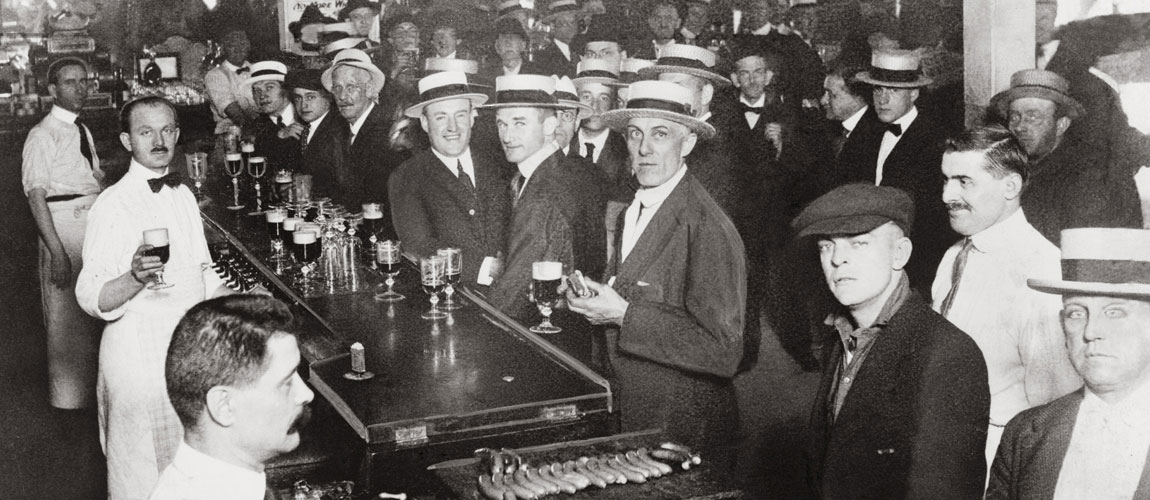
Resistance to the dry experiment soon began mounting in the big cities. For the most part, the urban population ignored the dry mandate and city dwellers continued to drink openly throughout Wartime Prohibition. New York had difficulty dealing with the ban, as 92 percent of its population was previously living in “wet” [anti-prohibitionist] territory. By comparison, in the rest of the country nearly 60 percent of the population was under some form of local or state prohibition before Wartime Prohibition went into effect.
As the “wets” continued their resistance, filing endless lawsuits in their fight against Prohibition, the Treasury Department was eventually forced to admit, in an announcement in November 1919, that cider was indeed not “a vinous liquor” as determined by the Jones Rider, and therefore not subject to the ban on alcohol.
Cider, whether hard or sweet, could be sold without regard to its alcohol content, or at least until January 16, 1920, when constitutional Prohibition, finally ratified as the Eighteenth Amendment, would go into effect and replace Wartime Prohibition. Almost immediately, cider supplies in many communities dwindled, and cider prices leapt to more than several dollars a gallon. Apple prices also rose with reports of growing shortages, as farmers and speculators began hoarding apples for cider making before the January deadline. In the cities, many hotels, restaurants, and bars substituted hard cider for the usual spirits to celebrate the 1920 New Year, which would have otherwise been dry. In this new era, where beer, wine, and liquor were illegal, cider now reigned supreme.
MORE THAN A RURAL FAVORITE
 Barely six months into national Prohibition, the newly formed Bureau of Prohibition could no longer avoid the cider dilemma. In July 1920, the Bureau made public a ruling that settled any doubt on the legality of hard cider, virtually lifting the ban on cider, fruit juices and “non-intoxicating” beverages.
Citing the Volstead Act, the law enacted to enforce the Eighteenth Amendment, the Bureau pointed out that Section 29 of the Act specifically exempted cider and other “fruit juices” that might acquire an alcoholic content through the natural process of fermentation. These beverages were not subject to the legal limit of “one half of one percent” alcohol. The Bureau ruled that these beverages were not “intoxicating”, but rather “intoxicating in fact”—an ambiguous, contradictory term that implied that if wine, cider, or other fermented fruit juices were made for use exclusively in the home, the burden was upon the government to prove that they were “intoxicating in fact”.
There were various regulations attached to the ruling. Items that could raise the sugar content and percentage of alcohol in the final product—like dried fruits, dandelions, rhubarb, and elderberry blossoms—technically could not be “added” to the mixture. It was also a violation to make wine from flowers and herbs, but not from fresh fruits. Apples, peaches, pears, strawberries, cherries, and, of course, grapes, were permitted even though the fermented results could reach as high as 15 to 20 percent.
What was intended as a loophole to enable the farmers to escape the drastic provisions of Prohibition had turned into an equal protection for city dwellers, who by law were now fully protected to make“non-intoxicating ciders and fruit juices.” And if cider, wine, and other fruit juices were protected, why not beer? This question was raised time and again, and as the years went by, challenges to Prohibition laws, both public and private, increased.
SEEKING STATUS THROUGH CIDER
Among the more notable challengers was Congressman John Philip Hill from Baltimore, MD, who took on the authorities and pointed out the discrepancies between homemade cider and beer, and the ability of farmers to make and drink hard cider, while the city dweller was denied even 2.75% beer under the same law.
In 1924, Hill hosted a high-profile party at his backyard farm, and as a publicity stunt invited the commissioner of Prohibition to sample his homemade cider and wine. Hill, of course, was promptly arrested and tried on six counts of violating the Volstead Act. The publicly covered trial only lasted two days, though it took 20 hours of deliberation for the jury to find Hill not guilty on all counts.
Just a year later, New York’s own Congressman Fiorello LaGuardia argued the same point, and invited reporters and photographers to his Washington, DC, office where he mixed a “near beer” (the legal no-alcohol beer) with a bottle of malt tonic, took a sip of the 2% “beer” and declared that the alcoholic beverage was perfectly legal under the definition of the Volstead Act. This and many other stunts were covered in the newspapers, leading to a slow erosion of the public’s already deteriorating views on Prohibition.
ENDING THE NOBLE EXPERIMENT
Wartime Prohibition was meant to be a temporary situation—it lasted a little more than six months—but it was viewed as an experiment to prepare the public for lifelong constitutional Prohibition. Homemade cider remained legal throughout the long years of National Prohibition, and although public debates and legal challenges continued to arise, they were always rejected.
Despite the popularity of cider in rural America, the rest of the population couldn’t survive on fruit juices alone. Ten years into Prohibition, it was apparent that millions of Americans were manufacturing large quantities of wine and beer, as well as cider, in their homes. In fact, the amount of homemade wine produced was estimated to be more than 10 times pre-Prohibition levels. Homemade cider production was so widespread that it couldn’t be accurately measured. So much for the dry experiment.
Eventually, it was a matter of simple economics that ended the nation’s “noble experiment.” Three years into the economic depression which began with the market collapse in 1929, the potential of restoring billions of dollars to the U.S. Treasury by repealing the ban on alcohol outweighed any moral considerations or national sacrifice that might have once existed. The amendment mandating repeal of National Prohibition was ratified December 5, 1933, and went into effect immediately.
By Robert Bedford
-
Orchards in Evolution
THE HUDSON VALLEY HAS LONG been held as one of the premier growing regions in the United States. Early Colonial farmers were self-sufficient and produced enough food to support their local communities, but the real boon came when the expanding city of New York outgrew its capacity to sustain itself, leading Hudson Valley farmers to ship apples, peaches, and other fruits and vegetables by steamboat down the Hudson River to larger, hungry markets. The Hudson Valley became an agricultural workhorse. Hudson Valley apples rose to prominence, fetching previously unheard of prices in modafinil online Manhattan and other cities.
However, the agricultural ascendancy of the Hudson Valley would not last forever. Railroads, and later highways, supplanted waterways as the primary means of shipping in America. The Hudson Valley’s proximity to the city, which was critical to its initial success, later became less relevant, as the ever-decreasing cost of transportation brought large industrial farming operations in the Midwest and clomid online California closer to East Coast cities.
Farms of every size had a hard time selling apples wholesale to brokers while still maintaining a profitable business. Many orchards tried to innovate while others were swallowed up. Suburbanization slowly took over the fallow fields across the country, as struggling farmers accepted buyouts for their land to make way for developments and strip malls.
Preserving the Orchards
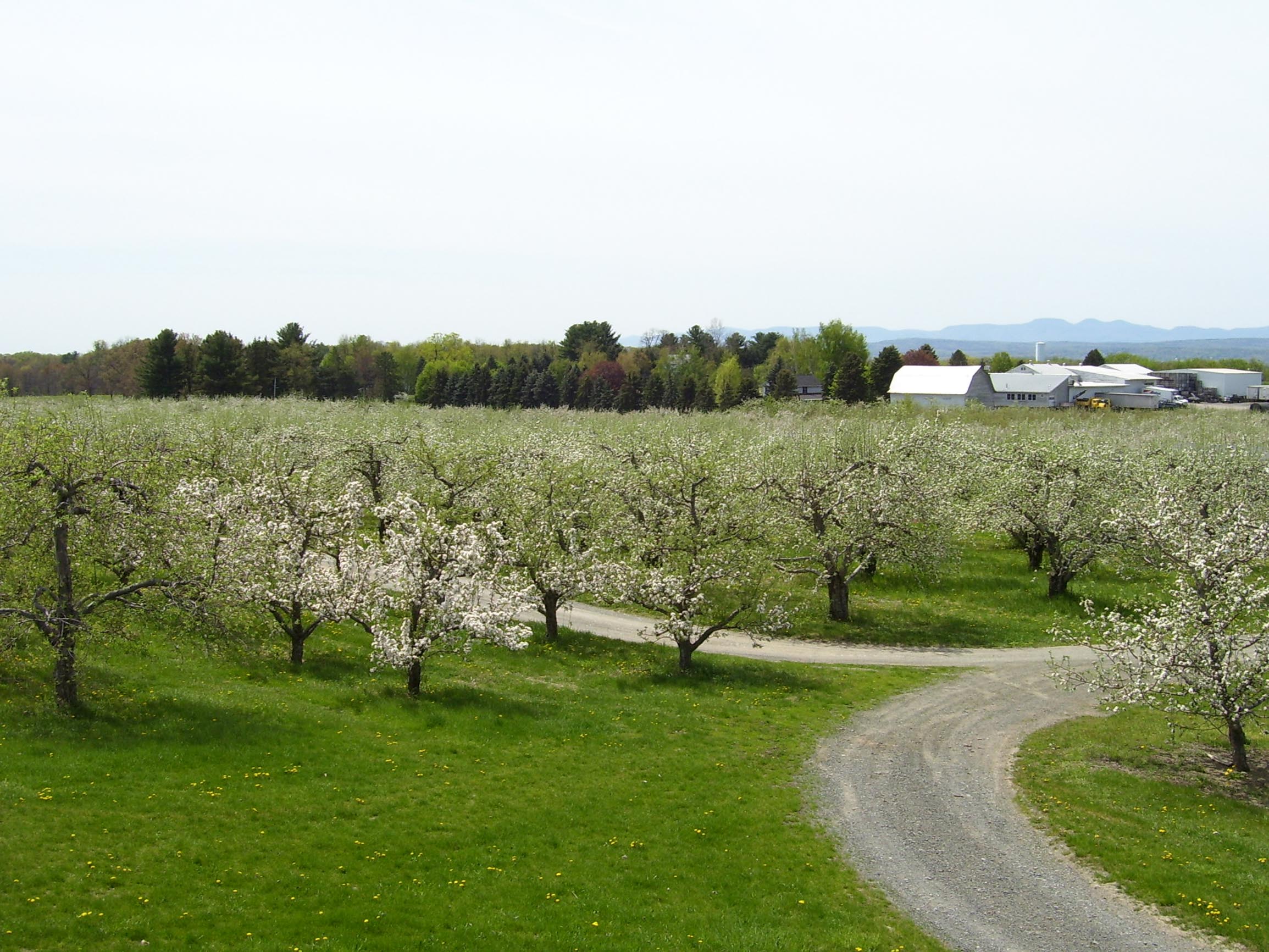
Located within sight of the Shawangunk Ridge, Stone Ridge Orchard in High Falls was poised for development. Over the last century, portions of the orchard were carved out along the road as owners sold lots of land when money was tight. This practice was echoed in the Hudson Valley’s “Banana Belt,” the hillside above Marlboro and Milton, known for its eastern, river-facing views that catch the morning sun, making it one of the warmest parts of the river valley.
In the 1970s, Stone Ridge Orchard underwent reconstruction, and many of the large, older apple trees were replaced with smaller trees that were easier to manage. By the turn of the 21st century, successive challenging harvests and lackluster where to buy clomid sales had eaten away at the orchard as cash flow dwindled. In 2007, developers locked in on the 114-acre parcel for development. The proposed Marbletown Green project was to include a 350-home development in place of the historic orchard.
Following public outcry, the Marbletown Green project zithromax 1000 mg was eventually withdrawn. After nearly a decade of discussion, Elizabeth Ryan, owner of Hudson Valley Farmhouse Cider and Breezy Hill Orchards, who had managed the property for years, purchased the orchard. The sale was made possible by the American Farmland Trust who
had purchased the rights to ensure that the orchard would never be threatened by development again. Non-profit organizations such as American Farmland Trust, Scenic Hudson, and Glynwood, an agricultural non-profit based in Cold Spring, have been at the frontline, working hard to preserve the valley’s farmland.According to the American Farmland Trust, 31 million acres of agricultural land nationwide were developed between 1992 and 2012. Curbing this rate in the Hudson Valley, which loses thousands of acres of farmland each year, has been a top priority for Glynwood. For over 20 years, Glynwood has been at the center of education, training, innovation, and advocacy. They broke ground with their cider project which has given new tools to cider makers across New York State which has close to 100 cider producers—the most in the country.
Megan Larmer, regional director of food at Glynwood said the cider project was inspired by the desire to save the Hudson Valley’s historic orchards. “Over the decade, we’ve worked with growers, cider makers, chefs, and researchers to create a vibrant cider culture that connects residents to these orchards so they will be valued for generations to come,” Larmer said.
Planting for the Future
Cider makers across the region have begun to plant cider-specific apples to bring structure, weight and tannin to their ciders, something lacking from the existing varieties in many older orchards. In 2015, Angry Orchard made the Hudson Valley its home at their Cider House in Walden, in the center of a 60-acre orchard. The orchard, once filled with unwanted apples such as Red Delicious, was replanted in favor of tannin-rich, bittersweet English cider apples like Dabinett. Angry Orchard’s investment in New York has helped preserve agricultural land, not only on their home farm but throughout the state. Long-term contracts for apples are keeping trees in the ground and ensuring stability in an unstable industry.
In 2016, Angry Orchard undertook one of its most ambitious programs in collaboration with Glynwood. They sponsored trial plantings of 5,000 trees across 15 orchards in an effort to identify the apple varieties best suited for the Hudson Valley. Every spring, Glynwood collects data to monitor how these trees are growing.
Considering the investment that goes into every bottle, cider remains an incredible value. There is still much to learn about growing and harvesting cider-specific apples, and the associated costs of such apples are higher compared to traditional eating apples. This means that the fruit in every $20 bottle of cider costs more to grow than the grapes in an average $20 bottle of Chardonnay.
For much of the 20th century, farms throughout the Hudson Valley sold fruit to packing houses that would combine the apples of many farmers and market them for sale in New York City. But declining prices and the demands of reinvestment pushed many to convert their orchards to retail businesses.
Instead of bringing apples to the people, the people would come to the apples.
The Growth of U-Pick
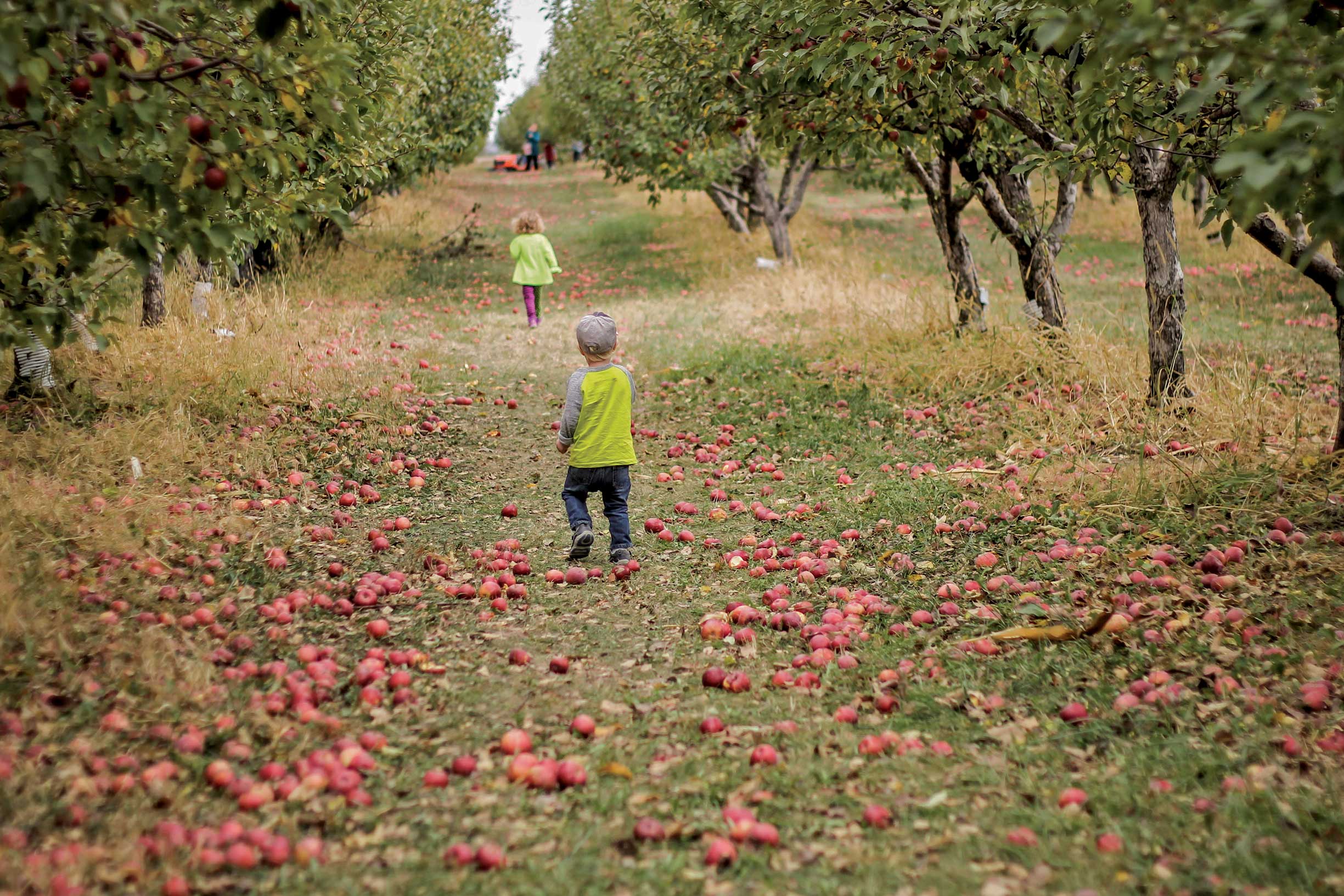
Today, U-Pick orchards dot the Valley, attracting a loyal following every year in search of strawberries in late spring and the last of the Gold Rush apples at winter’s door. Apple picking has become an annual tradition that has as much to do with cider donuts and hay rides as it does about fruit.
Among the U-Pick orchards that came to embrace cider is Fishkill Farms in Hopewell Junction. Josh Morgenthau, third-generation proprietor, introduced cider in 2016 and made many improvements at the farm to ensure that cider remains an integral part of the orchard’s future, as it is at family-owned Kettleborough Cider House and Pennings Farm Cidery.At Fishkill Farms, cider-specific heirloom apples are planted alongside the popular Honeycrisp and Ginger Gold apples. While guests won’t be picking and feasting on the future cider crop, they can sip on estate-grown cider with a plate of Jamaican jerk chicken, overlooking the trees that bore the fruit.
Orchard Hill Cider Mill on Soons Orchards draws visitors from across the region seeking their classic method sparkling cider and world-class Pommeau. Visitors can belly up to the cider bar in their tasting room after picking their favorite apples.
Inspired by the Spanish tradition of cider making, Peter Yi and his sister Susan started Brooklyn Cider House in 2014. While they were building their restaurant and production space in Brooklyn, they purchased Twin Star Orchards just south of New Paltz.
Here, Yi is looking to infuse decades of beverage experience with consumer’s annual habits. Weekend pizzas and the occasional pig roast means visitors get more than just fruit at their orchard, making it a place to visit in spring and summer, and not just fall.
Yet for many visitors, these activities are the only time they’ll spend on a farm all year. This puts cider in a unique position to engage people differently than other alcohol or farm businesses. Breweries can use hops and grain grown thousands of miles away, and no one visits a winery expecting to snack on the grapes that go into the bottle, but cider brings people up close and personal with the raw materials.
Old Orchards Renewed
U-Pick orchards lose one out of every three apples to careless pickers, which often come the rest on the orchard floor, rather than in the bags of visitors.
But that is not the only underutilized fruit. Cider makers like Bad Seed Cider and Naked Flock utilize apples that were not destined for retail sales due to their size or cosmetic irregularities. These apples would often cost more to grow and process than a farmer could sell them for. For instance, Hudson Valley Northern Spy apples that once ended up in commercial applesauce only fetched a fraction of the price they would at the farmer’s market. Now, thanks to cider, Northern Spy apple trees have a new life.Doc’s Draft Cider in Warwick has been a leader in the Hudson Valley since they first opened their doors in 1994. As one of the first cideries and then first fruit distiller in the Valley, they established many of the foundations that the modern cider community is built upon. They proved that there could be an alternative to the traditional U-Pick or wholesale farms—that value-added agricultural goods might be the future of the family farm.
The agricultural promise of the Hudson Valley lies in products like cider, cheese, charcuterie, and other value-added products that are both environmentally and economically sustainable. With support from organizations such as Glynwood, they are part of a changing landscape that keeps the wealth of the Valley tied to its agricultural heart. Cider is the perfect vehicle for orchards in the Hudson Valley to build upon for the next generation, turning the hurdles of development into assets.
Cider from the Hudson Valley is some of the finest in the world, which alone is enough reason to drink it up, but it is even more delicious when you consider that every glass of cider can help preserve the agricultural landscape and future of the Hudson Valley.
By Dan Pucci
-

Building Cider: The Future in the Hudson Valley
HUDSON VALLEY CIDERS RUN THE GAMUT from organic orchard-based bottlings to others more closely associated with craft beers. The different styles and approaches to ciders made in the Hudson Valley is a microcosm of the greater farm-based cider community. For nearly 400 years, the Hudson Valley has been at the center of apple production in North America, so its eminent role in cider is no surprise.
Dutch settlers first introduced apple seeds to the Hudson Valley in the early 1600s. French Huguenots and other European settlers quickly realized the potential of the Valley and established orchards along the hillsides. The region has been at the forefront of apple growing ever since. Writers, farmers, and consumers around the world took notice of New York’s apples, including the Newtown Pippin, Esopus Spitzenburg, and Swaar varieties, which emerged as favorites during Colonial America.
Later, in 1803, Robert Livingston Pell established the first modern commercial orchard in Esopus, in Ulster County. Pell’s apples fetched $8 a barrel (approximately 144 pounds) in New York City and a whopping $21 per barrel in London, the equivalent of about $167 and $439, respectively, today. Pell’s success cemented the Hudson Valley as a premium apple-growing region. Many other great American apples, such as Jonathan and Rome, started out as a single tree in the Hudson Valley.
But the Hudson Valley is not one homogenous region. It’s a large and diverse area of valleys, streams, and estuaries that individually impact the apple-growing landscape. The mighty Hudson River is, in part, an extension of the Atlantic Ocean. The native Algonquian name for the river is muh-he-kun-ne-tuk, or river that flows both ways, because the river is tidal until Troy, NY.
Keen observers can witness the river flowing north (upstream) during high tides. The effects of this massive climate moderator, combined with glacially eroded soils, has resulted in one of the preeminent fruit-growing regions in the world. Its diversity was noted by the renowned 19th- century orchardist William Coxe, who observed that Esopus Spitzenburg apples grew best in orchards north of the Hudson Highlands at Beacon, NY, while Harrison apples were unparalleled in the orchards in the southern portion of the river.
For centuries, cider from these orchard apples found a home in the Hudson Valley. Cider sat on the tables of wealthy Manhattan traders and subsistence farmers. Its virtues were written about with gusto by 19th-century horticulture and pomological associations, but for a variety of reasons its full potential has only recently begun to reveal itself.
THE STATE OF CIDER
Many of today’s cider producers operate from farms that have been in existence for years. These producers interpret cider in their own style while staying true to the spirit and diversity of the Hudson Valley.
An hour north of New York City in New Hampton in Orange County is Soon’s Orchard—home to Orchard Hill Cider Mill. Situated on a slope of thin, poor soil and shale and protected from the frost, the orchard bears fruit with intense flavor and complexity that makes for an exemplary cider, owner Karl duHoffmann says. The apples— predominately Golden Russet, Newtown Pippin, and Northern Spy—were mostly sold retail or pressed into fresh cider that was sold at the farm store before duHoffmann started making hard cider with them on the Soon’s family farm.
About 40 miles east, in Dutchess County, is Fishkill Farms. Josh Morgenthau’s family has owned the orchard for over a century. He opened the orchard to the public so they can get a better understand of how cider is produced and learn about the work that goes into tending the land and the apples.
In 2016, Morgenthau launched Treasury Cider. The name honors his grandfather, Robert Morgenthau, who was Secretary of the Treasury during Franklin Roosevelt’s presidency. By designing an experience for visitors with cider as the centerpiece, Morgenthau pays homage to his family’s history and the land that produced the fruit. He notes that the old trees that his grandfather planted 60 years ago produce intensely compelling and interesting apples. Those deep-rooted trees push the limits of flavor and complexity which makes for great cider.
Communicating the importance of their orchard and its history to drinkers is a different challenge.
“When people come to our farm, they’re able to wander among our trees,” Morgenthau says. “They’re able to pick their own apples and see the differences that the site makes. Then they can taste hard cider made with fruit from those same trees.”
Elizabeth Ryan, owner of Hudson Valley Farmhouse Cider, has been making cider since 1996 and echoes Morgenthau in communicating the importance of the orchard setting to the final cider. Ryan believes in the power of conversation to reach new drinkers. If she cannot draw customers to a glass in her orchard, she and her team spread their message at farm markets and events throughout the Hudson Valley and New York City. They offer cider as part of their larger agricultural bounty; the cider inseparable from the rest of the farm produce.
Brooklyn Cider House looks at cider through a Spanish lens. Despite the name, the cider maker started in 2014 as a farm stand at Twin Star Orchard in New Paltz in Ulster County. They opened a cider house in the Bushwick neighborhood of Brooklyn last December.
The two venues offer contrasting experiences. In New Paltz, visitors can observe an orchard once filled with conventional eating apples like Gala and Macintosh being transformed to an organic orchard filled with unique heirloom and cider varieties like Dabinett and Golden Russet. In Brooklyn, visitors can witness the transformation of an old warehouse into a cider house and restaurant influenced by Asturian and Basque cider traditions, where the massive steaks rival the large cider barrels. The cider house is the heart of the Spanish cider tradition—it is a community gathering point for celebration and identity. In Bushwick, Brooklyn Cider House wants to recreate that place for a new audience to enjoy a bounty of New York’s farm ciders, wines, and beers.
Bad Seed Cider Co. followed a similar route when they opened a tasting room in Brooklyn last year to complement their existing location in Highland, in Ulster County. Wilklow Orchards, a family-owned operation since 1855, launched Bad Seed in 2011. At first, they sold their cider only at farm markets in the Hudson Valley and New York City, but they can now be found in several states across the East Coast. While the orchard has always had a loyal following of customers, the opening of the Brooklyn location greatly boosted their profile and awareness in the mind of cider drinkers, partner Bram Kincheloe says.
DEFINING CHARACTER
The character of Hudson Valley cider is a marriage of acid and texture. It is character that comes from the orchard apples, and obvious when tasted next to grocery apples from other places around the world. This harmony creates ciders that are rich in texture, balanced by acid, and retain a great deal of character during fermentation, Ryan says.
“I’m convinced of the concept of terroir,” Morgenthau says. “The impact of site, season, and how the tree has grown can produce wildly different results in the apples, detectable not only in the juice and the fermented cider, but also in the fruit when eaten out of hand.”
Unfortunately, the subtleties of orchard ciderhas suffered from muddied expectation. Until now, the public was largely unaware of what to look for, or what to expect, when buying and drinking cider. To remedy that, the New York Cider Association has developed a dryness scale to provide customers with clear language about a cider’s sugar-acid-tannin ratio. The scale puts scientific research behind the terms: “dry”, “semi dry”, “semi sweet”, and “sweet”, so they will no longer be subjective. (See sidebar on the next page.) This will give producers an opportunity to clearly communicate what’s inside the bottle and open up a discussion about the types and origins of the apples used to make the cider.
Public awareness of cider has been hampered due to Federal labeling laws. Since 1980, wine makers have been allowed to refer to American Viticultural Areas (AVAs), such as the Willamette Valley or Niagara Escarpment, on their label, yet cider makers remain unable to do so. They are not permitted to use or make reference to wine appellations, which can lead to confusion for the consumer. Local cider makers have found a loophole by labeling their products with the designation, “Hudson Valley”, so as not to infringe on the Hudson River Valley Region AVA. Cider is also barred from being labeled with vintages, so cider makers use Roman numerals or batch numbers to clue in the buyer. Legislation on both the State and Federal levels to help promote and protect cider is ongoing. In the future there may be infrastructure to label cider within the Federal system, but until then, drinkers have to seek clues on the bottle.
Engaging conversations between producers and consumers greatly impacts cider drinking habits. Events such as Cider Week Hudson Valley, now in its eighth year, focuses on the concept of “destination ciders” to encourage people to enjoy cider as part of a larger experience, and to educate them about cider’s wide diversity. By promoting the provenance of cider, producers and organizations seek to strengthen a foundation for local cider that was built hundreds of years ago.
The Hudson Valley has been a cradle for the industry—first, for the growth of the American apple and now for the production of cider. Talented and passionate cider makers throughout the region are discovering the potential of cider; building a culture and cultivating a cider terroir. The groundwork has been laid, now all that needs to be done is to drink it in.
By Dan Pucci
Photo: Courtesy Fishkill Farm
-
Apple-icious Adventure Awaits
HISTORICALLY SPEAKING, the noble apple has played an integral part in some of the most interesting stories, legends, and tall tales of the world. It tempted Adam and Eve, sent Snow White into a deep sleep, helped gain William Tell his freedom, and hit Isaac prednisone online Newton in the head thus formulating the theory of gravitation while he was simply seeking some shade to enjoy a cup of tea.
Today, a new apple-centric story is unfolding in the ambien Hudson Valley and Capital Region. It involves the passion and dedication devoted to the revival of an ancient beverage, hard cider, the drink of choice on the early American dinner table.
With New York ranking the second-largest apple growing state in the country, it should be no surprise that the region is riding high on the crest of American orchard cider. Discriminating consumers are discovering the small number of craft cider makers claiming a stake in the farm to glass movement. Interest in antabuse online no prescription the gluten-free lifestyle has also helped hard cider, a naturally gluten-free beverage, gain momentum.
Currently there are nearly thirty cider producers in the Hudson Valley and Capital Region, and many have tasting rooms located in the rolling hills and scenic vistas that the region is known for. What are you waiting for? Plan a visit to apple country. Stroll the orchards filled with majestic beauty. Experience the passion and dedication crafted into apple-icious delight.
Be a part of the new cider story unfolding, and be enticed with a taste of authentic, modern apple history.
Flagship Favorites + Tasting Room Exclusives
Some cideries specialize in particular styles or have a flagship brand that has proven to be a crowd pleaser. Others produce a dizzying array of choices available on tap in the tasting room, where you can find seasonal specialties, or one-offs awaiting critical acclaim. The abundance of fresh berries, herbs, and culinary genius in the region has led to sometimes geeky, yet tasty, experimentation. Collaborations with local distillers, coffee roasters, hop farms, and vineyards have resulted in wildly popular results. Each tasting room is a unique experience filled with friendly, knowledge- able guides ready to help you navigate your cider journey. Read on for more about some of these unique producers and what influences their individual style. Whatever style your palate prefers, you’re sure to find a few new favorites.
Fermenting Family History
Bad Seed Cider
Bad Seed Cider is the brainchild of lifelong friends Albert Wilklow and Devin Britton. Devin’s love of home brewing and Albert’s gluten intolerance resulted in their first cider made with fruit from Wilklow Orchards, a six-generation family farm owned by Albert’s family. A range of dry hard cider and flavors are available in the tasting room with favorites including a bourbon barrel-aged cider, a Raspberry tasting room exclusive, and IPC (aka India Pale Cider), a true dry cider brewed with American Ale yeast and Cascade hops. For those fans of traditional IPAs and pale ales, this is the cider for you. A cold brew infused cider, a recent collaboration with a local coffee roaster, is quickly gaining an enthusiastic fan following.
Joe Daddy’s Cider
Joe Daddy’s Cider is the newest addition at Brookview Station Winery, where husband and wife team Ed Miller and Sue Goold Miller are no strangers to the orchard to glass movement. The winery was started in 2006 with their first wine made from apples sourced from the adjoining orchard, founded by Sue’s grandparents in 1910. Joe Daddy’s Cider is a semidry blend of culinary and cider apples using English yeast and years of experience to charm just the right blend of flavors from the Hudson Valley’s noble apple. Available on draft only in the tasting room with growlers to go, Joe Daddy’s Original, Apple Cranberry, and the seasonal Pomegranate ciders are making a splash in the cider world.
Kettleborough Cider House
Kettleborough Cider House is owned and operated by one-man show Tim Dressel, who had originally planned on a small farm winery. The cider move-ment, and the availability of fruit sourced from Dressel Farms owned by his family, caused a change in gears. As a participant in Glynwood’s 2011 cider exchange program in France, Tim’s cider has a French influence with the terroir of the Hudson Valley. Styles include a flagship Dry Cider, reminiscent of a clean and crisp Prosecco; Honey Honey, a slightly off-dry sweetened with local honey; and a Straw-berry Cider made with berries from Dressel Farm. Kettleborough is a must-visit for seasoned cider drinkers and newbies looking to gain insight into small farmhouse cider production using only estate grown fruit.
Weed Orchards and Winery
Weed Orchard and Winery is a relative newcomer on the craft beverage scene, but this farm operation has been delighting U-Pickers with an array of fresh produce and homebaked goodness for decades. Fifth-generation owner John Weed along with his wife and daughters are now crafting their prize-winning fruit into ciders including Blueberry and just-picked Peach, both on the sweeter side of their semidry signature Homegrown Hard Cider.
Hardscrabble Cider
Hardscrabble Cider is new from Harvest Moon Farm and Orchard, where they press and produce farm-to-bottle hard cider from apples picked on-site. Along with a lineup of classic American style ciders ranging from dry to sweet, this first generation family-owned farm also offers fresh eggs, grass-fed beef, pasteurized pork, seasonal produce, and other local goodies.
Make a Day of It
Doc’s Draft Hard Cider
Doc’S Draft Hard Cider from Warwick Valley Winery and Distillery was the first hard cider introduced to the Hudson Valley more than twenty years ago. Today, a range of seasonal ciders and apple-based spirits can be paired with a relaxing day away. Features include an on-site cafe, infor- mative tastings, and an endless roster of events. Take a sip and savor the beginnings of New York’s craft cider movement!
Naked Flock Cider
Naked Flock Cider at Applewood Winery was founded by Jonathan Hull, who sources fruit from his family’s orchard, named “Apple Dave” after his father, a trained Pomologist. The highly-prized Naked Flock Cider, with its eye-catching label and zany backstory (see page 16), has a dedicated following both in the tasting room and beyond. The Original, made with Champagne yeast and sweetened with local honey, and Draft style, made with Belgian yeast and finished with maple syrup, are balanced and refreshing. In the tasting room, a selection of drafts are available for sampling and to go in growlers. Seasonal favorites and experimental flavors such as Pumpkin, Black Tea, and Currant Saison await, in addition to a line of red and white wines. Food pairings at the Cider Café, weekend festivities, and general merriment are abundant at this cider destination.
Pennings Farm Cidery
Pennings Farm Cidery is part farm stand, pub, hop farm, orchard, grill, cider tasting room and music venue. Pennings offers something for everyone in the family including hard cider on tap, and in a number of housemade specialties, such as cider-infused pulled pork and onion soup made from local Black Dirt onions. A dedication to keeping it local keeps the Pennings family busy innovating new ways to showcase their own products along with the best of what the Hudson Valley has to offer. It’s the perfect day trip destination. Tour the farm, bring the kids to Pennings’ petting zoo, sample American farmhouse cider and beer, settle in for lunch or dinner, and shop for locally grown fruits and veggies, baked goods, and cheeses before you go.
Age Worthy Bottle Beauties
Orchard Hills Cider Mill
Orchard Hills Cider Mill is located next to the Soons Orchard farm store, produces elegant ciders and a decidedly different apple aperitif, both with a nod to French style. Their Red Label Cider is a stellar example of second fermentation in the bottle. Red Label is a dry, crisp champagne-style cider with fine bubbles and delicate flavors, drinking beautifully on release, or aged for a few years to gain a bit of savory complexity. A must-try is their Ten 66 Gold Label, a single-barrel Pommeau that combines apple brandy with freshly pressed apple juice, then aged nine years in French oak. This advantageous marriage of apple-based products creates a magical elixir that must be tasted to be believed.
Creative, Modern Flavor Flair
Angry Orchard
Angry Orchard was founded as an R and D facility and tasting room owned by The Boston Beer Company. Head cider maker Ryan Burk favors the English cider style using a blend of culinary and cider apples. An impressive barrel room houses experimental ciders taking a nap in used bourbon, cognac, red wine, and sauterne casks, as well as crisp styles aged in stainless steel. While Angry Orchard’s Crisp Apple flagship cider is widely available, a number of specialties will only be available on-site. Standouts include Wooden Sleeper, aged for five months in bourbon barrels, and Dear Brittany, a wild ferment aged in cognac barrels. There is a style for every palate here with many new releases planned.
Nine Pin Ciderworks
Nine Pin Ciderworks is popular with both city dwellers and visitors seeking New York farm flavor. Founder Alejandro del Peral uses only locally grown fruit (pressed in the orchard) to craft a head-spinning selection of cider in an urban setting. Signature, their flagship slightly off-dry cider is tasty and refreshing, but quirky, experimental ciders are something not to be missed here. Cardamom, sarsaparilla, dandelion, black walnut, aloe, and rye and rum barrels are just a few things used to create buzz-worthy ciders available in the tasting room. Must-tries include the Cider Monster, made with 87 different apple varieties; and any of the yarrow-infused ciders. The plan this year is to release 26 different ciders in a two-week rotation. Frequent visitors can sign up to become a “26er” – a cider club of sorts that includes a challenge to sample all 26 flavors!
Be a True Believer
Standard Cider
Standard Cider is produced by Brotherhood, America’s Oldest Winery, where you can wander the historic hand-dug cellars, tour the grounds, and settle in for a glass and a bite at the Vinum Café. Standard Ciders are made from fresh apple juice sourced from 100% culinary apples and finished in stainless steel (with the exception of the Reserve) to achieve a fresh American style. Favorites include True Companion, a rich, slightly sweet sparkling cider produced with the addition of ginger. Its sweet and spicy ending is the perfect companion for sushi, Thai, or Indian cuisine. Rebel Reserve, their barrel-aged cider, is smooth, deliciously off dry, with a full, juicy finish, and just the thing to serve with smoky BBQ or hard cheeses.
By Wendy Crispell
-

Hudson Valley Applejack
APPLE BRANDY, commonly known as “Applejack,” is once again making a name for itself as a popular American drink. Here in the Hudson Valley, where it boasts a rich and generations-long tradition, this natural and potent by-product of orchard fruit farming was once revered as “cider brandy,” “apple whiskey,” or just plain “apple.” For nearly two centuries it was renowned as the beverage of choice throughout New York State.
Since Adam and Eve, the apple has been closely identified with man’s existence. Its health and medicinal qualities were so highly considered that wherever colonization occurred, the apple was sure to follow. Around the globe, it was often the first tree fruit planted and cultivated in any newly acquired territory.
During the early Colonial Era in America, apple seeds from Europe were planted extensively, and almost every farm in the New World soon had its own apple orchard. After a harvest, surplus apples were pressed into cider, which was plentiful and cheap. Early settlers quickly came to favor cider and cider brandy, or “applejack,” which was traditionally made by allowing “hard,” or fermented, apple cider to freeze outside during the winter months. The layers of ice were removed and the liquid allowed to re-freeze—sometimes three or four more times—to concentrate the alcohol.
The word “applejack” itself is said to have been derived from the term “jacking,” an early term for freeze distillation. The resulting unfrozen liquid, however, was a crude and powerful drink, whose effect, it’s been noted, was like “a crack on the head with a hammer.”
In the decades before the American Revolution, colonists brought cider presses and simple stills with them to the New World. By heating fermented cider in a large, air-tight copper kettle, with its accompanying “worm” or distilling coil immersed in cold water, a farmer was able to isolate and vaporize (distill) the alcohol from the fermented fruit back into its liquid form. These simple pot stills varied in capacity ranging from 100 to 3,000 gallons, and were used to produce all sorts of “brandy” – the generic name for distillates made from fermented fruit, rather than from grain (i.e., whiskey).
While many argue that applejack distillation began in Sussex County, New Jersey, it quickly spread into New York through the Hudson Valley. The “great applejack-producing belt” ran between the Hudson River on the east and the Delaware River on the west. Applejack production centered around Orange County, but its reach extended to Westchester, Rockland, Sullivan, Ulster, Dutchess, Columbia and Greene counties.
Well into the 19th century, primitive applejack distilleries could be found on almost every hillside within the apple belt. Local farmers became the principal distillers, turning the end product into an important and desirable commodity in the Hudson Valley. Apple cider and distilled apple brandy were considered common offshoots of orchard farming, and as popular as farm-fresh apple pie, apple- sauce, apple cobblers, and apple preserves.
DRINK OF THE GODS
In the rural communities they drank little else. Despite its potency, Hudson Valley settlers quaffed it at weddings, funerals, church raisings, and public events. Even children were given watered down, sweetened and spiced hard cider or “apple,” at night.
The reputation of this fiery spirit spread to the big cities, where it was regarded as a safe beverage free from adulteration, and considered the only “stimulant” truly fit to drink. It prolonged life, built up the system, and prevented disease. For proof, one only needed to point to the hearty old farmers who professed to have imbibed applejack for 60 or 70 years, and who—at 80—were as vigorous as men half their age.
The spirit was so popular, that if a man asked for “apple” or “whiskey” at a Hudson Valley establishment, the proprietor set out applejack. Rye or bourbon had to be requested as such. Every store and nearly every farmhouse sold “apple” and a farmer’s hospitality was measured by how quickly he produced the applejack jug, and the cheerfulness with which he replenished it.
Prices for applejack straight from the still (a colorless liquid as clear as water) started at fifty cents a gallon. But it was said that only a bold man with an iron stomach could voluntarily drink the strong spirit before it was a year old – even aged a year it was still sharp and fiery, and considered a “whiskey that seizes a man with the grip of a gorilla.” Lore has it that a four-ounce glass of applejack, “would climb to the head of a man that isn’t used to it in less than ten seconds. His face gets red and feels as if it was sun burned. When he shuts his eyes he sees a hundred torchlight processions charging at him ten abreast. He may sleep all night and all day, but when he wakes up he will find himself drunker than when he passed out.” Rip Van Winkle, the Catskill Region’s storybook character, fell asleep in the woods for 20 years after sampling spirits from a stranger’s keg. Many believe the beverage was not cider, but a powerful version of Hudson Valley applejack.
Generally it was considered that applejack improved and mellowed with time, taking on a fruity flavor and a pale yellow hue, becoming more and more valuable the longer it aged in the barrel. Connoisseurs often claimed that applejack was not fit to drink until it was at least three or four years old. Prices ranged from $1.50 to $2.50 a gallon, and as high as $5 a gallon for well-aged “apple.” Thousands of gallons were reportedly stored in farmers’ cellars that could fetch $10 or $15 a gallon, assuming the farmer could be convinced to part with it.
The Federal government took a different position on applejack, as it didn’t consider the spirit to be a farm product, even if made by a farmer furnishing his own apples. By 1875, applejack was not only prohibited from being sold without a license, but federal legislation had imposed a 90¢ per gallon tax on the beverage. The crackdown on illicit distilling came with heavy fines and imprisonment, along with the confiscation of any liquor. Both the distillery and entire farm were subject to seizure. Yet many farmers continued to manufacture applejack in spite of the government’s vigilance, and family farms with their distilleries continued passing from generation to gene-ration.
A GOOD YEAR FOR ORANGE “APPLE”
Applejack production in the Hudson Valley reached its peak in the late 1800s. Throughout the applejack belt there were close to 60 registered distilleries devoted to its manufacture, with roughly 25 in Orange County alone. In fact, applejack distillation carried on to a greater extent in Orange County than in any other part of the country, producing about two-thirds of all made in New York State. Among them, the largest producer was J. L. Sayer & Son of Warwick, whose family had been distilling applejack since before the Revolutionary War. Other well-known distillers of the era included: Richard Wisner, Williams & Son, and Daniel Kelley, all of Warwick; Beverly K. Johnson’s Old Sycamore Distillery in East Coldenham; and Maher W. Decker in Burlingham, Sullivan County.
By all accounts, 1888 was a good year for apples, the even-numbered years being the good “apple-bearing” years. New York State produced 111,257 gallons of applejack that year; 68,000 gallons of it in Orange County. During 1872, the record year for the largest amount of legal applejack ever distilled, 101,617 gallons were produced in Orange County alone. But apple cultivation relies on the graciousness of nature. Apple trees might be loaded with fruit one year, and then almost barren the next. In a bad year, 1873 for example, the total production in Orange County was recorded at only 12,289 gallons.
 Shortly after the turn of the new century, demand for applejack began to diminish, both on the local level and in the trade. Although growing consumption of beer had supplanted the taste for strong liquor, many attributed the passing of applejack to the Federal tax charged on fruit spirits, which was the same for rye or corn whiskies that cost farmers about one quarter of what it cost to make applejack from apples. In addition, many of the farmer-distillers in the Hudson Valley had converted to the Temperance movement, abandoning their stills and refusing to sell their apple crops to anyone who intended to use them for distilling. One by one, many of the old cider mills and distilleries fell into decay.
The enactment of Prohibition in 1920 dealt a final death blow to the legalized manufacture of the once popular distilled apple. Registered distillers were forced to dismantle or abandon their businesses, with only a handful opting to produce sweet cider and cider vinegar instead. In the more rural areas, however, the farmers who continued to distill illegally found that the demand was such that there was often little time to age it properly, and they took to coloring it with burnt sugar and roasted peach pits to “age” it quickly. For the most part, local authorities seemed to turn a blind eye to the small farmer-distiller during Prohibition, but there were occasional federal raids on illegal stills in all counties that resulted in the arrest of more prominent, and often repeat, offenders.
Applejack was the principal illicit beverage in most rural counties in New York, and it was Dutchess County bootleg applejack that became renowned for its superior quality during these dark years. But it was Greene County that received the media attention when Manhattan-based gangster Jack “Legs” Diamond made headlines attempting to muscle his way into the local applejack industry. Although Diamond previously escaped bullets, convictions, and jail time, his luck ran out in 1931, when both the state and federal governments cracked down on his activities in the northern Catskills. Numerous raids on his bootlegging ring were followed up with high-profile trials in the state’s capital in Albany and in Manhattan, bringing the subject of illegal applejack production into the national spotlight. Diamond’s death by gunfire, on the eve of yet another acquittal in December 1931, ended the media’s and the government’s obsession with illegal applejack distilling, and bootleg production returned to “normal.”
BACK OPEN FOR BUSINESS
Talk of Prohibition’s end was barely on everyone’s lips when many saw an opportunity to cash in on applejack once liquor became legal again. The popularity of the Hudson Valley’s favorite libation before and during Prohibition led many to scramble on the eve of Repeal in 1933 to establish new distilleries, and bring legalized applejack back into local production.
Within just a few years, several locally-produced applejacks could be found on the market in the Hudson Valley and throughout New York, among them Old Catskill Brand Apple Brandy (from the Greene County Fruit Distillery, in Catskill, Greene County); Hendrik Hudson Distilleries’ Kinderhook Special Apple Brandy (Kinderhook, Columbia County); Old Orange County Brand Straight Apple Brandy (Middle Hope, Orange County); H. B. Morgan Distilleries’ Half Moon Brand Apple Brandy (Amenia, Dutchess County); and Hildick Applejack Brandy from Distilled Liquors Corporation, partially operating out of Mount Kisco (Westchester County).
Expectations of large sales growth, however, were never realized. The fundamental cause was initially attributed to commercial manufac- turers’ failure to produce a palatable brandy of good quality. Most superior apple brandy was still made illicitly on the farm, and as such, would never be available on the retail liquor market. Consumer tastes had also changed, and it soon became apparent that applejack had lost much of its old-time hold on the hearts of rural Americans. The new generation of drinkers was mostly unfamiliar with this once-popular tipple, opting instead for more commonly available grain spirits like gin or whiskey. By the Second World War, nearly all of the independent Hudson Valley distilleries were gone. The eventual war-time ban on apples, pears, and other fruits and grains for distillation hastened their end. Many of the remaining distilleries were bought up by Laird & Co. in Scobeyville, the largest and well-known of the New Jersey distillers.
GOOD OLD APPLEJACK
It’s taken nearly half a century, but the Hudson Valley and Capital Region is experiencing a renaissance of distilled apple spirits. Consumer tastes have circled back around to once again embrace these unique and complex spirits, and local craft distilleries have stepped up to face the new demand.
The terms applejack and apple brandy are still synonymous (i.e., distilled from 100% apples), but new federal regulations allow for a “blended applejack” with up to 80 percent neutral grain spirits – a relic from the post-war years when consumers lost their taste for fruit brandy, and companies looked for cheaper ways to produce it.
Today, distillers are crafting apple brandy in a fashion worthy of being sipped and savored like its French counterpart, Calvados. At its core, applejack has a full-bodied, fruity lushness, and whether distilled in small or larger batches, unaged or aged in American oak,these hand-crafted, classic apple brandies are worthy of attention, sure to please even the most discerning palate. Now is the time to seek out these hand-crafted, small-batch spirits from 100% New York State apples. But hurry, they’re so popular they’re often sold out as quickly as they’re released.
Here’s a look at some apple spirits that are making a distinct name for themselves in the Hudson Valley and Capital Region:
Apple By the Bottle
ALBANY DISTILLING CO.
Albany | Albany County
The 10th Pin Barrel-Aged Apple Brandy
A recently launched apple brandy produced in the Capital Region from Hudson Valley apples, fermented at Nine Pin Ciderworks. The light amber brandy is aged in American oak barrels formerly used to age whiskey and cider. The fragrant nose reveals caramel, toffee, and a touch of clove. Soft and silky on the palate, with buttery baked apple and a vanilla creme brulee finish. Well-balanced and smooth. 375ml. 40% ABV
BLACK DIRT® DISTILLING CO.
Warwick | Orange County
Bottled in Bond Apple Jack
Distilled from New York-grown Jonagold apples and aged four to six years in new charred American oak barrels. Unapologetically pungent with baked earth notes backed by leather and cedar-box, with an undertone of toasted honey on the nose. Intense and weighty on the palate with heavy oak that dominates. A long and woody finish with caramel and baked apple notes. Currently the only Bottled in Bond applejack in the US, this is not an applejack for the faint-hearted. 750ml. 50% ABV
Single Barrel Apple jack
A very recent release, this applejack is distilled from Hudson Valley-grown Honey Crisp apples, aged a minimum of 12 months in new charred oak. Light amber in color, it has underlying aromas of apple juice with subtle caramel and cinnamon. Soft notes of sweet barrel and spice on the palate. 375ml. 50% ABV
HARVEST SPIRITS
Valatie | Columbia County
Cornelius Applejack
Double distilled in small batches using 100% apples from their Golden Harvest Farm. Aged for three years in 50-gallon ex-bourbon white oak barrels then finished in 15-gallon casks. Fruity aromas of fresh apple, pear and ripe banana, with vanilla and a hint of butterscotch. The palate is crisp, with soft shades of smoked wood, toffee and caramel, and a buttery apple finish. Simple and austere, this is an applejack for traditionalists. Available in 50ml, 375ml, and 750ml. 40% ABV
Small Batch Distilled Hudson Valley Apple Brandy
A light amber-colored, five-year-old apple brandy, cold-pressed and double distilled in small batches, with a touch of ice cider added for apple body and a hint of sweetness. Heavy aromas of vanilla and maple with subtle notes of baked apple. The oak is noticeable but not dominant, and the palate is clean and soft with a long toffee and butterscotch finish. 375ml. 40% ABV
HUDSON VALLEY DISTILLERS
Germantown | Columbia County
Adirondack Applejack
Applejack from 100% Hudson Valley apples aged for one year in small American white oak barrels. Pleasant, subtle notes of apple and toffee up front with a smooth, subtle, non-aggressive oaky finish. Complex, yet mellow enough for the classic cocktail. 750ml. 40% ABV
Chancellor’s Hardscrabble Applejack
A robust and intense applejack, aged for 12 months in charred ten-gallon yellow birch barrels. A rich, oaky character with hints of caramel and vanilla on the nose and palate, with a smooth, aged whiskey-like finish. Available in 375ml and 750ml. 40% ABV
Spirits Grove Fine Shine AppleJack
From 100% Hudson Valley apples sourced locally in Clermont. A clear and unaged version of “moonshine,” Fine Shine is the base of their aged applejack. Light and clean with faint green apple notes on the nose. Smooth and easy on the palate, with a hint of apple leading to a subtle licorice-anise finish. Ideal as a base for cocktails and frosty shots. Available in 375ml and 750ml. 40% ABV
NEVERSINK SPIRITS
Port Chester | Westchester County
Apple Brandy
A limited release hand-crafted apple brandy, unaged and clear, sourced from New York State apples. Well-balanced, with pronounced aromas of apple and pear with a hint of nutmeg and clove. Toffee and butterscotch bursts on the palate with underlying apple notes, finishing with more lingering spice than the color or nose suggests. 375ml. 40% ABV
This article was adapted from the author’s upcoming book on applejack in the Hudson Valley. [2017, Flint Mine Press]
 By Robert Bedford