Author: admin

  • 100 Years Ago When Cider Ruled the Nation

    100 Years Ago When Cider Ruled the Nation

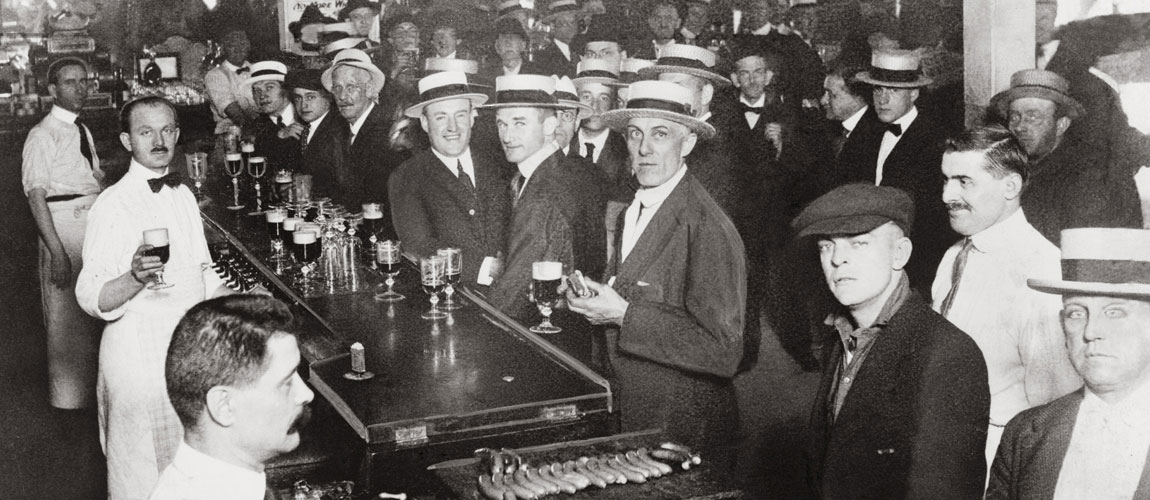
    AT ONE MINUTE AFTER MIDNIGHT on July 1, 1919, the dream of “dry” reformers became a reality when the Wartime Prohibition Act went into effect. Passed to conserve America’s food, grain, and fuel during World War I, the new law made the manufacture and sale of “intoxicating liquor” a crime against the United States.

    Patriotism and war frenzy was at an all-time high when Wartime Prohibition was first introduced in April 1918 as a rider to an emergency agricultural appropriation bill. Known as the Food Production Stimulation bill, it came on the heels of a full nationwide Prohibition bill banning alcohol, which had already been passed by both houses of the Congress in December 1917, and was waiting for ratification by 36 states.

    Attached to the bill was the “Jones Rider” which banned “beer, wine or other intoxicating malt or vinous liquor for beverage purposes”. Thinly disguised as a contribution to the war effort, the rider was in actuality the work of the Temperance movement, backed by the powerful Anti-Saloon League, who took advantage of the war hysteria to force their moral agenda on the American population. Their ultimate goal was to get a nationwide “dry” law, in any form, onto the books with the hope that once enacted it would be difficult to overturn.

    PROBLEMS NOT SOLUTIONS

    The wartime ban, however, created more controversy and problems then it offered solutions. For one, by the time the law went into effect, the war had been over for more than six months. For another, it never clearly defined the word “intoxicating.” A later ruling declared that any liquor in excess of more than one half of one percent alcohol in volume was “intoxicating”, and therefore illegal. And, by strict interpretation, possession of liquor was never banned—only the manufacture and sale of liquor was prohibited. Further interpretation revealed that hard cider was neither a “malt or vinous liquor,” so fruit juices, such as cider, were outside the reach of Wartime Prohibition.

    How Dry I am Prohibition pinIt was common knowledge that farmers and the rural population were strong supporters of the Prohibition crusade, so when legislators framed the law, they took great care to prevent any infringement on the drinking habits of their farmer constituents back home. Fearing that any prohibition law would lose the farmers backing, it was their intent to interfere as little as possible with the generally recognized right of farmers to manufacture their beloved hard cider for home use. Therefore, the manufacture and sale of pure apple cider, fermented or not, was permissible under Wartime Prohibition regulations. Cider could be sold without regard to alcohol content, though technically nothing could be added to raise the percentage of alcohol.

    Resistance to the dry experiment soon began mounting in the big cities. For the most part, the urban population ignored the dry mandate and city dwellers continued to drink openly throughout Wartime Prohibition. New York had difficulty dealing with the ban, as 92 percent of its population was previously living in “wet” [anti-prohibitionist] territory. By comparison, in the rest of the country nearly 60 percent of the population was under some form of local or state prohibition before Wartime Prohibition went into effect.

    As the “wets” continued their resistance, filing endless lawsuits in their fight against Prohibition, the Treasury Department was eventually forced to admit, in an announcement in November 1919, that cider was indeed not “a vinous liquor” as determined by the Jones Rider, and therefore not subject to the ban on alcohol.

    Cider, whether hard or sweet, could be sold without regard to its alcohol content, or at least until January 16, 1920, when constitutional Prohibition, finally ratified as the Eighteenth Amendment, would go into effect and replace Wartime Prohibition. Almost immediately, cider supplies in many communities dwindled, and cider prices leapt to more than several dollars a gallon. Apple prices also rose with reports of growing shortages, as farmers and speculators began hoarding apples for cider making before the January deadline. In the cities, many hotels, restaurants, and bars substituted hard cider for the usual spirits to celebrate the 1920 New Year, which would have otherwise been dry. In this new era, where beer, wine, and liquor were illegal, cider now reigned supreme.

    MORE THAN A RURAL FAVORITE

    Barely six months into national Prohibition, the newly formed Bureau of Prohibition could no longer avoid the cider dilemma. In July 1920, the Bureau made public a ruling that settled any doubt on the legality of hard cider, virtually lifting the ban on cider, fruit juices and “non-intoxicating” beverages.

    Citing the Volstead Act, the law enacted to enforce the Eighteenth Amendment, the Bureau pointed out that Section 29 of the Act specifically exempted cider and other “fruit juices” that might acquire an alcoholic content through the natural process of fermentation. These beverages were not subject to the legal limit of “one half of one percent” alcohol. The Bureau ruled that these beverages were not “intoxicating”, but rather “intoxicating in fact”—an ambiguous, contradictory term that implied that if wine, cider, or other fermented fruit juices were made for use exclusively in the home, the burden was upon the government to prove that they were “intoxicating in fact”.

    There were various regulations attached to the ruling. Items that could raise the sugar content and percentage of alcohol in the final product—like dried fruits, dandelions, rhubarb, and elderberry blossoms—technically could not be “added” to the mixture. It was also a violation to make wine from flowers and herbs, but not from fresh fruits. Apples, peaches, pears, strawberries, cherries, and, of course, grapes, were permitted even though the fermented results could reach as high as 15 to 20 percent.

    What was intended as a loophole to enable the farmers to escape the drastic provisions of Prohibition had turned into an equal protection for city dwellers, who by law were now fully protected to make“non-intoxicating ciders and fruit juices.” And if cider, wine, and other fruit juices were protected, why not beer? This question was raised time and again, and as the years went by, challenges to Prohibition laws, both public and private, increased.

    SEEKING STATUS THROUGH CIDER

    Among the more notable challengers was Congressman John Philip Hill from Baltimore, MD, who took on the authorities and pointed out the discrepancies between homemade cider and beer, and the ability of farmers to make and drink hard cider, while the city dweller was denied even 2.75% beer under the same law.

    In 1924, Hill hosted a high-profile party at his backyard farm, and as a publicity stunt invited the commissioner of Prohibition to sample his homemade cider and wine. Hill, of course, was promptly arrested and tried on six counts of violating the Volstead Act. The publicly covered trial only lasted two days, though it took 20 hours of deliberation for the jury to find Hill not guilty on all counts.

    Just a year later, New York’s own Congressman Fiorello LaGuardia argued the same point, and invited reporters and photographers to his Washington, DC, office where he mixed a “near beer” (the legal no-alcohol beer) with a bottle of malt tonic, took a sip of the 2% “beer” and declared that the alcoholic beverage was perfectly legal under the definition of the Volstead Act. This and many other stunts were covered in the newspapers, leading to a slow erosion of the public’s already deteriorating views on Prohibition.

    ENDING THE NOBLE EXPERIMENT

    Wartime Prohibition was meant to be a temporary situation—it lasted a little more than six months—but it was viewed as an experiment to prepare the public for lifelong constitutional Prohibition. Homemade cider remained legal throughout the long years of National Prohibition, and although public debates and legal challenges continued to arise, they were always rejected.

    Despite the popularity of cider in rural America, the rest of the population couldn’t survive on fruit juices alone. Ten years into Prohibition, it was apparent that millions of Americans were manufacturing large quantities of wine and beer, as well as cider, in their homes. In fact, the amount of homemade wine produced was estimated to be more than 10 times pre-Prohibition levels. Homemade cider production was so widespread that it couldn’t be accurately measured. So much for the dry experiment.

    Eventually, it was a matter of simple economics that ended the nation’s “noble experiment.” Three years into the economic depression which began with the market collapse in 1929, the potential of restoring billions of dollars to the U.S. Treasury by repealing the ban on alcohol outweighed any moral considerations or national sacrifice that might have once existed. The amendment mandating repeal of National Prohibition was ratified December 5, 1933, and went into effect immediately.

    By Robert Bedford
  • Orchards in Evolution

    Orchards in Evolution

    THE HUDSON VALLEY HAS LONG been held as one of the premier growing regions in the United States. Early Colonial farmers were self-sufficient and produced enough food to support their local communities, but the real boon came when the expanding city of New York outgrew its capacity to sustain itself, leading Hudson Valley farmers to ship apples, peaches, and other fruits and vegetables by steamboat down the Hudson River to larger, hungry markets. The Hudson Valley became an agricultural workhorse. Hudson Valley apples rose to prominence, fetching previously unheard of prices in modafinil online Manhattan and other cities.

    However, the agricultural ascendancy of the Hudson Valley would not last forever. Railroads, and later highways, supplanted waterways as the primary means of shipping in America. The Hudson Valley’s proximity to the city, which was critical to its initial success, later became less relevant, as the ever-decreasing cost of transportation brought large industrial farming operations in the Midwest and clomid online California closer to East Coast cities.

    Farms of every size had a hard time selling apples wholesale to brokers while still maintaining a profitable business. Many orchards tried to innovate while others were swallowed up. Suburbanization slowly took over the fallow fields across the country, as struggling farmers accepted buyouts for their land to make way for developments and strip malls.

    Preserving the Orchards

    Located within sight of the Shawangunk Ridge, Stone Ridge Orchard in High Falls was poised for development. Over the last century, portions of the orchard were carved out along the road as owners sold lots of land when money was tight. This practice was echoed in the Hudson Valley’s “Banana Belt,” the hillside above Marlboro and Milton, known for its eastern, river-facing views that catch the morning sun, making it one of the warmest parts of the river valley.

    In the 1970s, Stone Ridge Orchard underwent reconstruction, and many of the large, older apple trees were replaced with smaller trees that were easier to manage. By the turn of the 21st century, successive challenging harvests and lackluster where to buy clomid sales had eaten away at the orchard as cash flow dwindled. In 2007, developers locked in on the 114-acre parcel for development. The proposed Marbletown Green project was to include a 350-home development in place of the historic orchard.

    Following public outcry, the Marbletown Green project zithromax 1000 mg was eventually withdrawn. After nearly a decade of discussion, Elizabeth Ryan, owner of Hudson Valley Farmhouse Cider and Breezy Hill Orchards, who had managed the property for years, purchased the orchard. The sale was made possible by the American Farmland Trust who
    had purchased the rights to ensure that the orchard would never be threatened by development again. Non-profit organizations such as American Farmland Trust, Scenic Hudson, and Glynwood, an agricultural non-profit based in Cold Spring, have been at the frontline, working hard to preserve the valley’s farmland.

    According to the American Farmland Trust, 31 million acres of agricultural land nationwide were developed between 1992 and 2012. Curbing this rate in the Hudson Valley, which loses thousands of acres of farmland each year, has been a top priority for Glynwood. For over 20 years, Glynwood has been at the center of education, training, innovation, and advocacy. They broke ground with their cider project which has given new tools to cider makers across New York State which has close to 100 cider producers—the most in the country.

    Megan Larmer, regional director of food at Glynwood said the cider project was inspired by the desire to save the Hudson Valley’s historic orchards. “Over the decade, we’ve worked with growers, cider makers, chefs, and researchers to create a vibrant cider culture that connects residents to these orchards so they will be valued for generations to come,” Larmer said.

    Planting for the Future

    Cider makers across the region have begun to plant cider-specific apples to bring structure, weight and tannin to their ciders, something lacking from the existing varieties in many older orchards. In 2015, Angry Orchard made the Hudson Valley its home at their Cider House in Walden, in the center of a 60-acre orchard. The orchard, once filled with unwanted apples such as Red Delicious, was replanted in favor of tannin-rich, bittersweet English cider apples like Dabinett. Angry Orchard’s investment in New York has helped preserve agricultural land, not only on their home farm but throughout the state. Long-term contracts for apples are keeping trees in the ground and ensuring stability in an unstable industry.

    In 2016, Angry Orchard undertook one of its most ambitious programs in collaboration with Glynwood. They sponsored trial plantings of 5,000 trees across 15 orchards in an effort to identify the apple varieties best suited for the Hudson Valley. Every spring, Glynwood collects data to monitor how these trees are growing.

    Considering the investment that goes into every bottle, cider remains an incredible value. There is still much to learn about growing and harvesting cider-specific apples, and the associated costs of such apples are higher compared to traditional eating apples. This means that the fruit in every $20 bottle of cider costs more to grow than the grapes in an average $20 bottle of Chardonnay.

    For much of the 20th century, farms throughout the Hudson Valley sold fruit to packing houses that would combine the apples of many farmers and market them for sale in New York City. But declining prices and the demands of reinvestment pushed many to convert their orchards to retail businesses.

    Instead of bringing apples to the people, the people would come to the apples.

    The Growth of U-Pick

    Today, U-Pick orchards dot the Valley, attracting a loyal following every year in search of strawberries in late spring and the last of the Gold Rush apples at winter’s door. Apple picking has become an annual tradition that has as much to do with cider donuts and hay rides as it does about fruit.
    Among the U-Pick orchards that came to embrace cider is Fishkill Farms in Hopewell Junction. Josh Morgenthau, third-generation proprietor, introduced cider in 2016 and made many improvements at the farm to ensure that cider remains an integral part of the orchard’s future, as it is at family-owned Kettleborough Cider House and Pennings Farm Cidery.

    At Fishkill Farms, cider-specific heirloom apples are planted alongside the popular Honeycrisp and Ginger Gold apples. While guests won’t be picking and feasting on the future cider crop, they can sip on estate-grown cider with a plate of Jamaican jerk chicken, overlooking the trees that bore the fruit.

    Orchard Hill Cider Mill on Soons Orchards draws visitors from across the region seeking their classic method sparkling cider and world-class Pommeau. Visitors can belly up to the cider bar in their tasting room after picking their favorite apples.

    Inspired by the Spanish tradition of cider making, Peter Yi and his sister Susan started Brooklyn Cider House in 2014. While they were building their restaurant and production space in Brooklyn, they purchased Twin Star Orchards just south of New Paltz.

    Here, Yi is looking to infuse decades of beverage experience with consumer’s annual habits. Weekend pizzas and the occasional pig roast means visitors get more than just fruit at their orchard, making it a place to visit in spring and summer, and not just fall.

    Yet for many visitors, these activities are the only time they’ll spend on a farm all year. This puts cider in a unique position to engage people differently than other alcohol or farm businesses. Breweries can use hops and grain grown thousands of miles away, and no one visits a winery expecting to snack on the grapes that go into the bottle, but cider brings people up close and personal with the raw materials.

    Old Orchards Renewed

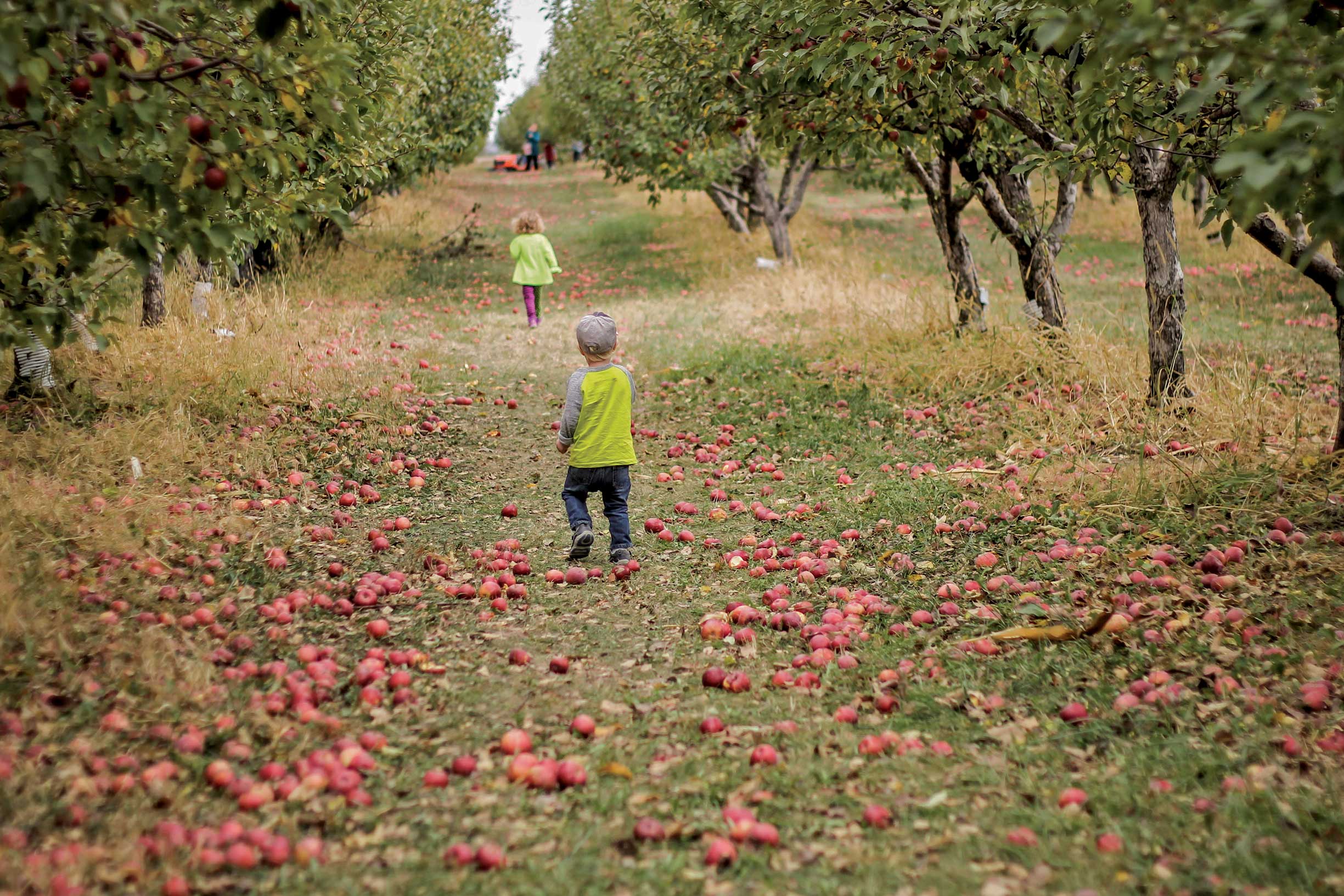
    U-Pick orchards lose one out of every three apples to careless pickers, which often come the rest on the orchard floor, rather than in the bags of visitors.
    But that is not the only underutilized fruit. Cider makers like Bad Seed Cider and Naked Flock utilize apples that were not destined for retail sales due to their size or cosmetic irregularities. These apples would often cost more to grow and process than a farmer could sell them for. For instance, Hudson Valley Northern Spy apples that once ended up in commercial applesauce only fetched a fraction of the price they would at the farmer’s market. Now, thanks to cider, Northern Spy apple trees have a new life.

    Doc’s Draft Cider in Warwick has been a leader in the Hudson Valley since they first opened their doors in 1994. As one of the first cideries and then first fruit distiller in the Valley, they established many of the foundations that the modern cider community is built upon. They proved that there could be an alternative to the traditional U-Pick or wholesale farms—that value-added agricultural goods might be the future of the family farm.

    The agricultural promise of the Hudson Valley lies in products like cider, cheese, charcuterie, and other value-added products that are both environmentally and economically sustainable. With support from organizations such as Glynwood, they are part of a changing landscape that keeps the wealth of the Valley tied to its agricultural heart. Cider is the perfect vehicle for orchards in the Hudson Valley to build upon for the next generation, turning the hurdles of development into assets.

    Cider from the Hudson Valley is some of the finest in the world, which alone is enough reason to drink it up, but it is even more delicious when you consider that every glass of cider can help preserve the agricultural landscape and future of the Hudson Valley.

    By Dan Pucci

  • Building Cider: The Future in the Hudson Valley

    Building Cider: The Future in the Hudson Valley

    HUDSON VALLEY CIDERS RUN THE GAMUT from organic orchard-based bottlings to others more closely associated with craft beers. The different styles and approaches to ciders made in the Hudson Valley is a microcosm of the greater farm-based cider community. For nearly 400 years, the Hudson Valley has been at the center of apple production in North America, so its eminent role in cider is no surprise.

    Dutch settlers first introduced apple seeds to the Hudson Valley in the early 1600s. French Huguenots and other European settlers quickly realized the potential of the Valley and established orchards along the hillsides. The region has been at the forefront of apple growing ever since. Writers, farmers, and consumers around the world took notice of New York’s apples, including the Newtown Pippin, Esopus Spitzenburg, and Swaar varieties, which emerged as favorites during Colonial America.

    Later, in 1803, Robert Livingston Pell established the first modern commercial orchard in Esopus, in Ulster County. Pell’s apples fetched $8 a barrel (approximately 144 pounds) in New York City and a whopping $21 per barrel in London, the equivalent of about $167 and $439, respectively, today. Pell’s success cemented the Hudson Valley as a premium apple-growing region. Many other great American apples, such as Jonathan and Rome, started out as a single tree in the Hudson Valley.

    But the Hudson Valley is not one homogenous region. It’s a large and diverse area of valleys, streams, and estuaries that individually impact the apple-growing landscape. The mighty Hudson River is, in part, an extension of the Atlantic Ocean. The native Algonquian name for the river is muh-he-kun-ne-tuk, or river that flows both ways, because the river is tidal until Troy, NY.

    Keen observers can witness the river flowing north (upstream) during high tides. The effects of this massive climate moderator, combined with glacially eroded soils, has resulted in one of the preeminent fruit-growing regions in the world. Its diversity was noted by the renowned 19th- century orchardist William Coxe, who observed that Esopus Spitzenburg apples grew best in orchards north of the Hudson Highlands at Beacon, NY, while Harrison apples were unparalleled in the orchards in the southern portion of the river.

    For centuries, cider from these orchard apples found a home in the Hudson Valley. Cider sat on the tables of wealthy Manhattan traders and subsistence farmers. Its virtues were written about with gusto by 19th-century horticulture and pomological associations, but for a variety of reasons its full potential has only recently begun to reveal itself.

    THE STATE OF CIDER

    Many of today’s cider producers operate from farms that have been in existence for years. These producers interpret cider in their own style while staying true to the spirit and diversity of the Hudson Valley.

    An hour north of New York City in New Hampton in Orange County is Soon’s Orchard—home to Orchard Hill Cider Mill. Situated on a slope of thin, poor soil and shale and protected from the frost, the orchard bears fruit with intense flavor and complexity that makes for an exemplary cider, owner Karl duHoffmann says. The apples— predominately Golden Russet, Newtown Pippin, and Northern Spy—were mostly sold retail or pressed into fresh cider that was sold at the farm store before duHoffmann started making hard cider with them on the Soon’s family farm.

    About 40 miles east, in Dutchess County, is Fishkill Farms. Josh Morgenthau’s family has owned the orchard for over a century. He opened the orchard to the public so they can get a better understand of how cider is produced and learn about the work that goes into tending the land and the apples.

    In 2016, Morgenthau launched Treasury Cider. The name honors his grandfather, Robert Morgenthau, who was Secretary of the Treasury during Franklin Roosevelt’s presidency. By designing an experience for visitors with cider as the centerpiece, Morgenthau pays homage to his family’s history and the land that produced the fruit. He notes that the old trees that his grandfather planted 60 years ago produce intensely compelling and interesting apples. Those deep-rooted trees push the limits of flavor and complexity which makes for great cider.

    Communicating the importance of their orchard and its history to drinkers is a different challenge.

    “When people come to our farm, they’re able to wander among our trees,” Morgenthau says. “They’re able to pick their own apples and see the differences that the site makes. Then they can taste hard cider made with fruit from those same trees.”

    Elizabeth Ryan, owner of Hudson Valley Farmhouse Cider, has been making cider since 1996 and echoes Morgenthau in communicating the importance of the orchard setting to the final cider. Ryan believes in the power of conversation to reach new drinkers. If she cannot draw customers to a glass in her orchard, she and her team spread their message at farm markets and events throughout the Hudson Valley and New York City. They offer cider as part of their larger agricultural bounty; the cider inseparable from the rest of the farm produce.

    Brooklyn Cider House looks at cider through a Spanish lens. Despite the name, the cider maker started in 2014 as a farm stand at Twin Star Orchard in New Paltz in Ulster County. They opened a cider house in the Bushwick neighborhood of Brooklyn last December.

    The two venues offer contrasting experiences. In New Paltz, visitors can observe an orchard once filled with conventional eating apples like Gala and Macintosh being transformed to an organic orchard filled with unique heirloom and cider varieties like Dabinett and Golden Russet. In Brooklyn, visitors can witness the transformation of an old warehouse into a cider house and restaurant influenced by Asturian and Basque cider traditions, where the massive steaks rival the large cider barrels. The cider house is the heart of the Spanish cider tradition—it is a community gathering point for celebration and identity. In Bushwick, Brooklyn Cider House wants to recreate that place for a new audience to enjoy a bounty of New York’s farm ciders, wines, and beers.

    Bad Seed Cider Co. followed a similar route when they opened a tasting room in Brooklyn last year to complement their existing location in Highland, in Ulster County. Wilklow Orchards, a family-owned operation since 1855, launched Bad Seed in 2011. At first, they sold their cider only at farm markets in the Hudson Valley and New York City, but they can now be found in several states across the East Coast. While the orchard has always had a loyal following of customers, the opening of the Brooklyn location greatly boosted their profile and awareness in the mind of cider drinkers, partner Bram Kincheloe says.

    DEFINING CHARACTER

    The character of Hudson Valley cider is a marriage of acid and texture. It is character that comes from the orchard apples, and obvious when tasted next to grocery apples from other places around the world. This harmony creates ciders that are rich in texture, balanced by acid, and retain a great deal of character during fermentation, Ryan says.

    “I’m convinced of the concept of terroir,” Morgenthau says. “The impact of site, season, and how the tree has grown can produce wildly different results in the apples, detectable not only in the juice and the fermented cider, but also in the fruit when eaten out of hand.”

    Unfortunately, the subtleties of orchard ciderhas suffered from muddied expectation. Until now, the public was largely unaware of what to look for, or what to expect, when buying and drinking cider. To remedy that, the New York Cider Association has developed a dryness scale to provide customers with clear language about a cider’s sugar-acid-tannin ratio. The scale puts scientific research behind the terms: “dry”, “semi dry”, “semi sweet”, and “sweet”, so they will no longer be subjective. (See sidebar on the next page.) This will give producers an opportunity to clearly communicate what’s inside the bottle and open up a discussion about the types and  origins of the apples used to make the cider.

    Public awareness of cider has been hampered due to Federal labeling laws. Since 1980, wine makers have been allowed to refer to American Viticultural Areas (AVAs), such as the Willamette Valley or Niagara Escarpment, on their label, yet cider makers remain unable to do so. They are not permitted to use or make reference to wine appellations, which can lead to confusion for the consumer. Local cider makers have found a loophole by labeling their products with the designation, “Hudson Valley”, so as not to infringe on the Hudson River Valley Region AVA. Cider is also barred from being labeled with vintages, so cider makers use Roman numerals or batch numbers to clue in the buyer. Legislation on both the State and Federal levels to help promote and protect cider is ongoing. In the future there may be infrastructure to label cider within the Federal system, but until then, drinkers have to seek clues on the bottle.

    Engaging conversations between producers and consumers greatly impacts cider drinking habits. Events such as Cider Week Hudson Valley, now in its eighth year, focuses on the concept of “destination ciders” to encourage people to enjoy cider as part of a larger experience, and to educate them about cider’s wide diversity. By promoting the provenance of cider, producers and organizations seek to strengthen a foundation for local cider that was built hundreds of years ago.

    The Hudson Valley has been a cradle for the industry—first, for the growth of the American apple and now for the production of cider. Talented and passionate cider makers throughout the region are discovering the potential of cider; building a culture and cultivating a cider terroir. The groundwork has been laid, now all that needs to be done is to drink it in.

    By Dan Pucci

    Photo: Courtesy Fishkill Farm
  • Leesy Cheesy Matchups

    Leesy Cheesy Matchups

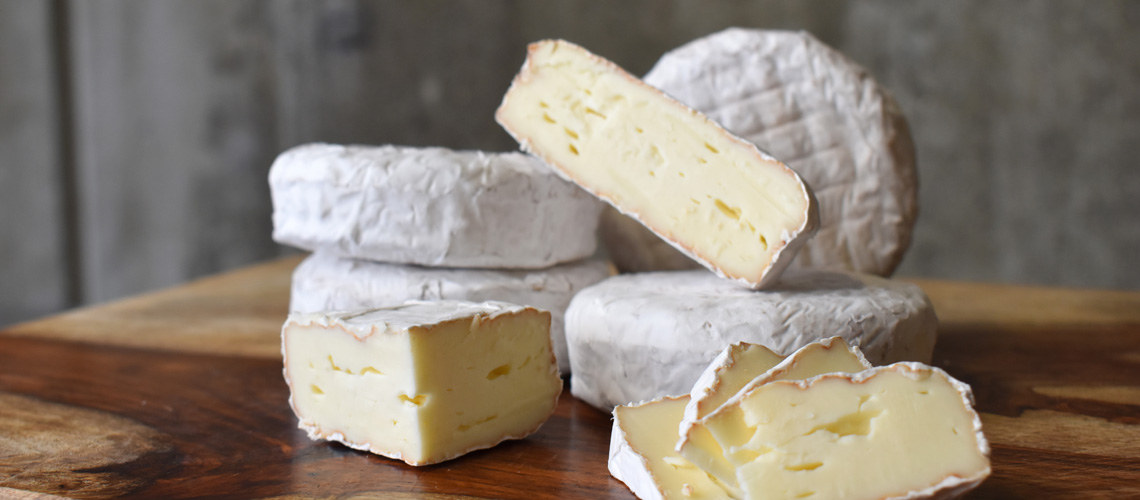
    Washed rind cheeses began as a style of monastic cheese making in Alsace, France, centuries ambien ago. This style of cheesemaking involves repeated washing with diluted brines and cider, beer, spirits, or wine to cultivate bacteria on the surface of the cheese, giving it a distinctive clomid online flavor as it matures. The results can be extremely pungent, smear-ripened styles, like the Burgundian Epoisses whose red, stinky rind barely contains the creamy paste inside, or harder, firmer styles like Hartwell (above) where the bacteria is more restricted through washings and brushings. Cheesemakers often collaborate with local craft beverage makers to create unique regional styles. Aging caves can also be used by creative affineurs, or cheese aging ambien zolpidem specialists, to develop a signature brand or specialty cheese. Here are a few decadent cider-washed favorites that pair well with the Hudson Valley’s diverse cider and apple spirit offerings.

    Photo: The Cellars at Jasper Hills Farms

    Murray’s Cavemaster Reserve Greensward

    The result of a collaboration between NYC’s Murray’s Cheese and The Cellars at Jasper Hill Farm in Vermont, Murray’s Cavemaster Reserve Greensward features a wash of cider-based brine with just the right amount of cave aging to achieve an oozy, silky texture. Its spruce wrap lends subtle hints of pine and resin. Big and meaty.

    Matchups:

    Slightly funky natural style ciders or an unaged Applejack can stand up to the cheese’s unusual pine notes.

    Photo: Courtesy Murray’s Cheese

    Gatekeeper

    Gatekeeper is a washed-rind triple creme made with pasteurized sheep’s milk, cow’s milk, and cow cream from the Hudson Valley’s Old Chatham Sheepherding Company. At just a few days old, the baby cheese makes its way to Crown Finish Caves in Brooklyn where it’s washed in Graft Cider’s funky Farm Flor three times during its two-week stay.

    Matchups:

    Sparkling ciders and apple brandies balance the salty, fruity, and yeasty cheese flavor.

    Photo: Courtesy Crown Finish Caves

    Hartwell

    Hartwell is a bloomy-rind style cheese from The Cellars at Jasper Hill Farm inspired by the soft cheeses of Brittany. Washed with Ice Cider lees from a nearby cidery, its flavors start out custard-like and approachable becoming more complex as it softens. Aromas of butter-softened leeks with crisp apple nuances. Find it only at Whole Foods.

    Matchups:

    Dry to off-dry sparkling ciders complement the fruity aromas of the cider wash; for a sweeter finish, try a Pommeau.


     By Wendy Crispell
  • Pomme-Perfect Cocktails

    Pomme-Perfect Cocktails

    Apple flavors make a great foundation for building drinks. They play well in a shaker with a wide variety of herbs and spices, citrus flavors, and other craft spirits, so it’s no wonder beverage directors and mixologists are embracing the region’s terroir- driven ciders and apple spirits to create new recipes and reinvent the classics. We tapped a few local outposts and Manhattan’s best bars for these tasty pomme-focused cocktails to try at home.

    Newburgh Cidertini

    6 MINT LEAVES
    1 oz HOUSE INFUSED CITRUS VODKA 1 oz LEMON JUICE
    .5 oz APPLE INFUSED VERMOUTH
    .5 oz YELLOW CHARTREUSE
    GRAFT HOP TROPIC CIDER

    Muddle mint then add ice to shaker. Pour in lemon juice, vermouth, Chartreuse, and vodka. Shake then strain into snifter. Top with half a can of cider.
    Courtesy Steven Aigner / Mixologist / Liberty Street Bistro / Newburgh, NY
    Photo (above): John C. Pugh

    Wassail_web_USEPell Estate

    1.5 oz NEVERSINK SPIRITS APPLE BRANDY
    1 oz UNCOUTH VERMOUTH APPLE MINT
    1 oz ORCHARD HILL TEN66 POMMEAU

    Stir ingredients together and strain into cocktail glass. Garnish with orange twist.
    Courtesy Dan Pucci / Beverage Director / Wassail / New York, NY

    Ten66-Cocktail2_web_USECome Hill or High Water

    1 oz ORCHARD HILL TEN66 POMMEAU
    .75 oz BLACK DIRT APPLE JACK

    .5 oz LUSTAU “ESCUADRILLA” AMONTILLADO SHERRY
    .25 oz HONEY SYRUP
    .25 oz VICARIO NOCINO WALNUT LIQUEUR

    Stir ingredients together and strain into cocktail glass. Garnish with lemon peel.
    Courtesy Stephanie Schneider / Owner, Mixologist / Huckleberry Bar / Brooklyn, NY

    DeereMountain_J4A5776_web_USE

    All Souls Reviver #1

    1.5 oz MAISON ROUGE COGNAC V.S.
    .75 oz HUDSON VALLEY DISTILLERS FINE SHINE APPLEJACK
    .75 oz CARDAMARO
    .25oz BLUME MARILLEN
    APRICOT BRANDY
    Stir until balanced, then strain into cocktail glass. Garnish with dried violet flowers.
    Courtesy Artem Grishin / Beverage Director / Deer Mountain Inn / Tannersville, NY
  • The Curious Character of Varietal Ciders

    The Curious Character of Varietal Ciders

    Cider makers often blend inedible bitter-sharp and bittersweet apple varieties with crossover apples to create their signature house styles. But some, like Doc’s Draft, Hudson Valley Farmhouse Cider, and Angry Orchard are experimenting with single varietals, using just one type of apple to create ciders with a distinct flavor profile. While these modern and heirloom apples are gaining popularity as varietal ciders, they can also be the backbone of blends:

    Ashmead’s Kernel

    This is a rather lumpy, misshapen English apple that would never win a contest for its beauty. But, appearances can be deceiving. Ashmead’s Kernel has remained popular for well over two centuries, and with good reason: it has a taste that sets it apart from most other varieties. For some, the elusive flavor is reminiscent of a sweet- smelling hard candy known in the UK as a pear drop.

    Esopus Spitzenberg

    This buttery-yellow, antique variety was discovered by Dutch settlers in 1770. Its crisp, juicy flesh, rich aromatics and concentrated flavor make it the apple of cider connoisseurs.

    Gold Rush

    A smooth-skinned modern dessert apple with a flavor profile similar to Golden Delicious, but with a bit more acidity. It is late harvested and has excellent juice, but as a relatively new variety there isn’t much experience with it yet in cider production.

    Golden Russet

    The “I can do anything better than you” apple. Discovered in New York in 1840, this dynamo’s sweet, honeyed fruit has the perfect blend of acid, sugar, and tannin to enhance any blend, and enough finesse to be used for a single varietal cider.

    Newtown Pippin

    Early New York settlers propagated this varietal in Queens in the 18th century. The green-skinned, late harvested Pippin has a well-balanced, sweet-tart flavor and tannins that make it a good candidate for barrel-aged ciders.

    Northern Spy

    This sharply flavored late ripening variety was introduced in the 1840s in Rochester, NY. With possible connections to Esopus Spitzenburg it shares many of the same qualities including heady aromatics and luscious fruit.

    Winesap

    Winesaps can be eaten fresh, but they also shine in cider production. This heirloom apple has a unique tartness, intoxicating aroma, and lingering spice that sets it apart from other varietals.


    by Wendy Crispell