Tag: Cider Apples

  • The Curious Character of Varietal Ciders

    The Curious Character of Varietal Ciders

    Cider makers often blend inedible bitter-sharp and bittersweet apple varieties with crossover apples to create their signature house styles. But some, like Doc’s Draft, Hudson Valley Farmhouse Cider, and Angry Orchard are experimenting with single varietals, using just one type of apple to create ciders with a distinct flavor profile. While these modern and heirloom apples are gaining popularity as varietal ciders, they can also be the backbone of blends:

    Ashmead’s Kernel

    This is a rather lumpy, misshapen English apple that would never win a contest for its beauty. But, appearances can be deceiving. Ashmead’s Kernel has remained popular for well over two centuries, and with good reason: it has a taste that sets it apart from most other varieties. For some, the elusive flavor is reminiscent of a sweet- smelling hard candy known in the UK as a pear drop.

    Esopus Spitzenberg

    This buttery-yellow, antique variety was discovered by Dutch settlers in 1770. Its crisp, juicy flesh, rich aromatics and concentrated flavor make it the apple of cider connoisseurs.

    Gold Rush

    A smooth-skinned modern dessert apple with a flavor profile similar to Golden Delicious, but with a bit more acidity. It is late harvested and has excellent juice, but as a relatively new variety there isn’t much experience with it yet in cider production.

    Golden Russet

    The “I can do anything better than you” apple. Discovered in New York in 1840, this dynamo’s sweet, honeyed fruit has the perfect blend of acid, sugar, and tannin to enhance any blend, and enough finesse to be used for a single varietal cider.

    Newtown Pippin

    Early New York settlers propagated this varietal in Queens in the 18th century. The green-skinned, late harvested Pippin has a well-balanced, sweet-tart flavor and tannins that make it a good candidate for barrel-aged ciders.

    Northern Spy

    This sharply flavored late ripening variety was introduced in the 1840s in Rochester, NY. With possible connections to Esopus Spitzenburg it shares many of the same qualities including heady aromatics and luscious fruit.

    Winesap

    Winesaps can be eaten fresh, but they also shine in cider production. This heirloom apple has a unique tartness, intoxicating aroma, and lingering spice that sets it apart from other varietals.


    by Wendy Crispell
  • Apples to Apples

    Apples to Apples

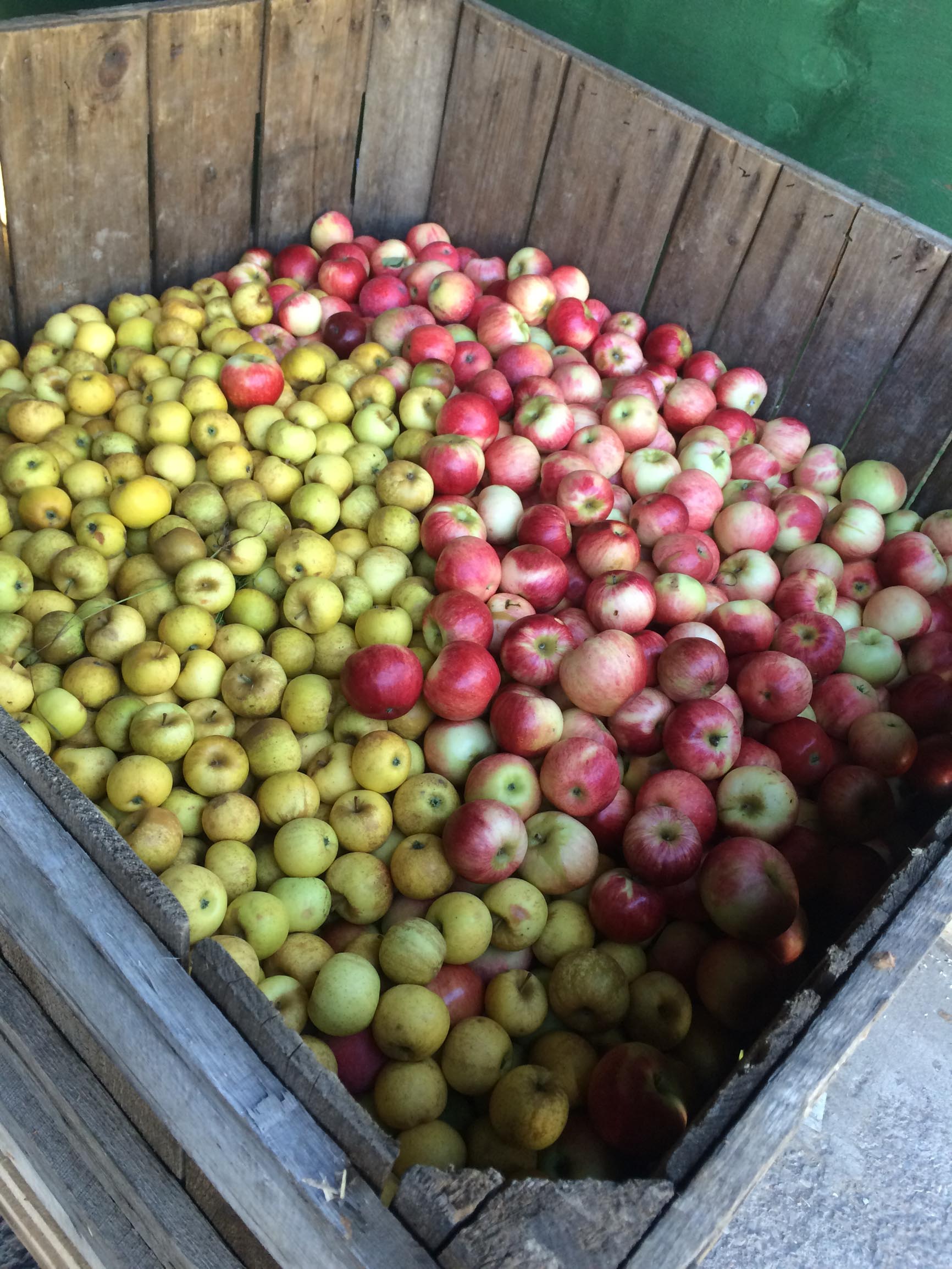
    Hard cider in the Hudson Valley and Capital Region runs the gamut from pleasantly fruit-forward to tongue curling bone dry, or those with a bit of interesting funk. There is something for every taste, yet the finished product depends on a number of different factors, including the variety of apple used. The decision to use cider apples, culinary apples, or a carefully selected blend of both depends on the style of cider desired.

    Traditional cider apple varieties that are used in England, Spain, and France are becoming popular again in New York. Although once widely planted here, many of these orchards were ripped out during Prohibition due to the fact that the apples weren’t suitable for eating or baking. Known as “spitters” (because of their bitter, acrid taste) their higher sugar content made them perfect for hard cider, but not quite the right choice for daily munching or mom’s apple pie.

    According to Tim Dressel of Kettleborough Cider House (who uses both cider and culinary apples), there are certainly specific varieties that are considered more valuable than others for cider, but overall it’s more about their classification: sweet, bittersweet, bittersharp, and sharp. English and French style cider producers concern themselves with getting the right ratio of these four categories.

    Other cider makers prefer to use a blend of culinary or dessert apples that naturally contain less pectin and tannin. Scrumptious when freshly picked off the tree, these varieties produce hard cider that’s filled with local terroir. Many of these producers are sourcing apples from local family farms passed down from generation to generation.

    With thousands of different apple varieties available (some popular ones on page 4), it’s up to the individual cider maker to select the type of fruit that will create the balance of sweet, bitter, and sharp qualities they are looking for in the glass. Then the decision of finishing in steel, inert vessels, or oak comes into play, but more on that at another time!

    Popular Culinary Apples

    Wine Sap

    An American heirloom apple dating back to the 18th century, it can be eaten fresh but is primarily a baking apple, popular for juice and cider production

    Empire

    With Red Delicious and McIntosh for parents, this apple was destined for greatness. Developed at Cornell University in the ’40s, its sweet-tart combination is at home in pies, tarts, lunch boxes, and in a glass.

    Northern Spy

    This historic variety is as versatile as apples come. It can be served raw, baked, roasted, sauteed, or slow cooked. Perfect in classic apple preparations such as pies, tarts, cobblers and cider!

    Esopus Spitzenburg

    Named in the 1800s after the town in Ulster County, NY, this American variety is one that should appeal to European tastes. It has an aromatic flavor with dense yellow flesh, and the rich sharpness of a high- quality dessert apple. Eating a Spitzenburg is a thoroughly enjoyable experience, and said to have been a favorite of Thomas Jefferson.

    Popular Cider Apples

    Brown Snout

    A traditional hard cider variety discovered in 1850 in England, its name derives from the “brown eye” at the base of the apple. It produces a sweet, slightly astringent juice and makes a mild to medium bittersweet cider.

    Bedan

    This bittersweet apple is one of the most favored in Normandy, used for cider and the famous Calvados brandy produced in the region. It’s known for its intriguing flavors, which can include notes of clove, banana, and licorice.

    Dabinett

    Hailing from England this is one of the easier bittersweet apples to grow, favored for its reliability to yield stellar fruit annually. It can be used to make a single variety cider, or blended.

    by Wendy Crispell