
HUDSON VALLEY CIDERS RUN THE GAMUT from organic orchard-based bottlings to others more closely associated with craft beers. The different styles and approaches to ciders made in the Hudson Valley is a microcosm of the greater farm-based cider community. For nearly 400 years, the Hudson Valley has been at the center of apple production in North America, so its eminent role in cider is no surprise.
Dutch settlers first introduced apple seeds to the Hudson Valley in the early 1600s. French Huguenots and other European settlers quickly realized the potential of the Valley and established orchards along the hillsides. The region has been at the forefront of apple growing ever since. Writers, farmers, and consumers around the world took notice of New York’s apples, including the Newtown Pippin, Esopus Spitzenburg, and Swaar varieties, which emerged as favorites during Colonial America.
Later, in 1803, Robert Livingston Pell established the first modern commercial orchard in Esopus, in Ulster County. Pell’s apples fetched $8 a barrel (approximately 144 pounds) in New York City and a whopping $21 per barrel in London, the equivalent of about $167 and $439, respectively, today. Pell’s success cemented the Hudson Valley as a premium apple-growing region. Many other great American apples, such as Jonathan and Rome, started out as a single tree in the Hudson Valley.
But the Hudson Valley is not one homogenous region. It’s a large and diverse area of valleys, streams, and estuaries that individually impact the apple-growing landscape. The mighty Hudson River is, in part, an extension of the Atlantic Ocean. The native Algonquian name for the river is muh-he-kun-ne-tuk, or river that flows both ways, because the river is tidal until Troy, NY.
Keen observers can witness the river flowing north (upstream) during high tides. The effects of this massive climate moderator, combined with glacially eroded soils, has resulted in one of the preeminent fruit-growing regions in the world. Its diversity was noted by the renowned 19th- century orchardist William Coxe, who observed that Esopus Spitzenburg apples grew best in orchards north of the Hudson Highlands at Beacon, NY, while Harrison apples were unparalleled in the orchards in the southern portion of the river.
For centuries, cider from these orchard apples found a home in the Hudson Valley. Cider sat on the tables of wealthy Manhattan traders and subsistence farmers. Its virtues were written about with gusto by 19th-century horticulture and pomological associations, but for a variety of reasons its full potential has only recently begun to reveal itself.
THE STATE OF CIDER
Many of today’s cider producers operate from farms that have been in existence for years. These producers interpret cider in their own style while staying true to the spirit and diversity of the Hudson Valley.
An hour north of New York City in New Hampton in Orange County is Soon’s Orchard—home to Orchard Hill Cider Mill. Situated on a slope of thin, poor soil and shale and protected from the frost, the orchard bears fruit with intense flavor and complexity that makes for an exemplary cider, owner Karl duHoffmann says. The apples— predominately Golden Russet, Newtown Pippin, and Northern Spy—were mostly sold retail or pressed into fresh cider that was sold at the farm store before duHoffmann started making hard cider with them on the Soon’s family farm.
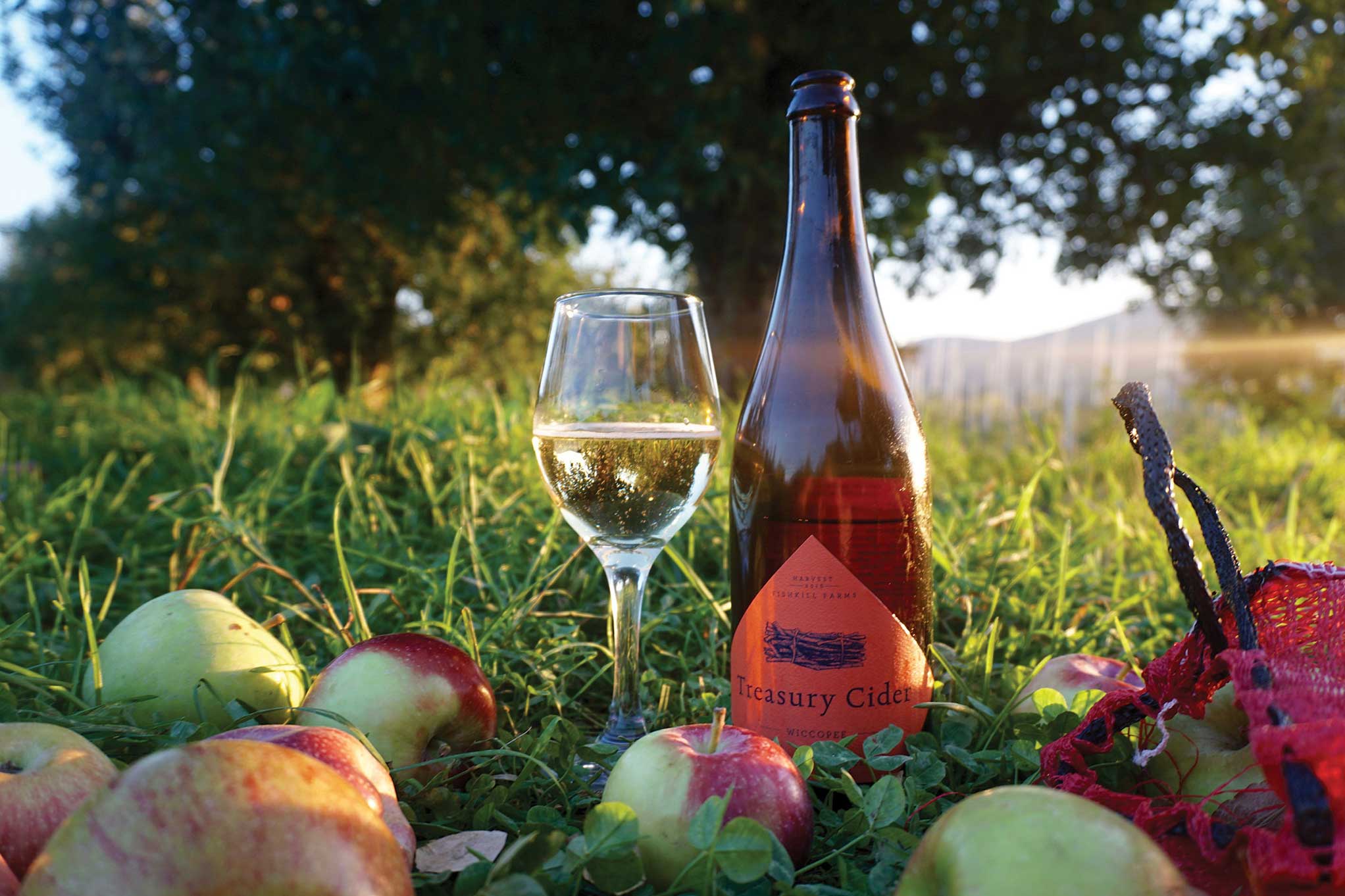
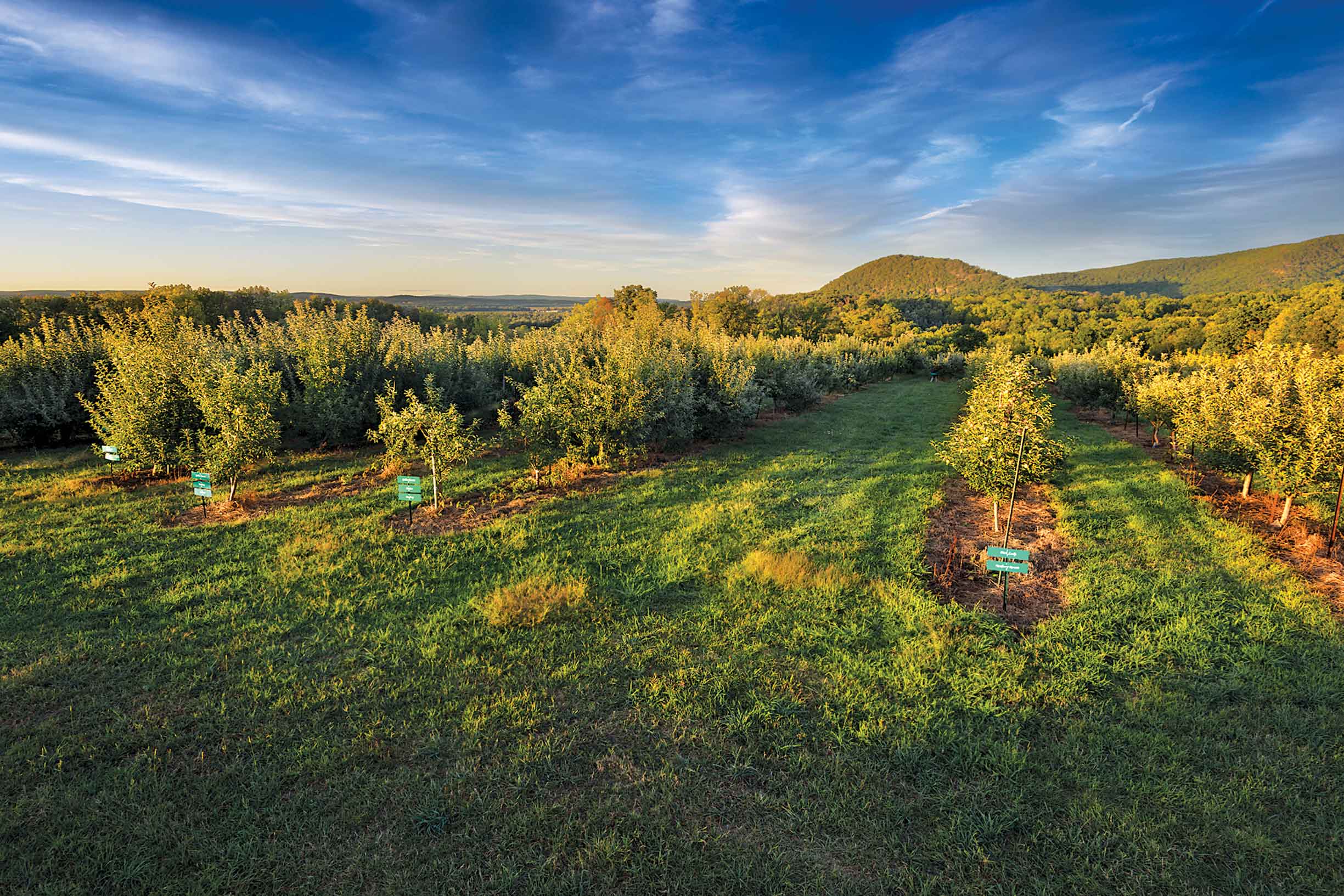
About 40 miles east, in Dutchess County, is Fishkill Farms. Josh Morgenthau’s family has owned the orchard for over a century. He opened the orchard to the public so they can get a better understand of how cider is produced and learn about the work that goes into tending the land and the apples.
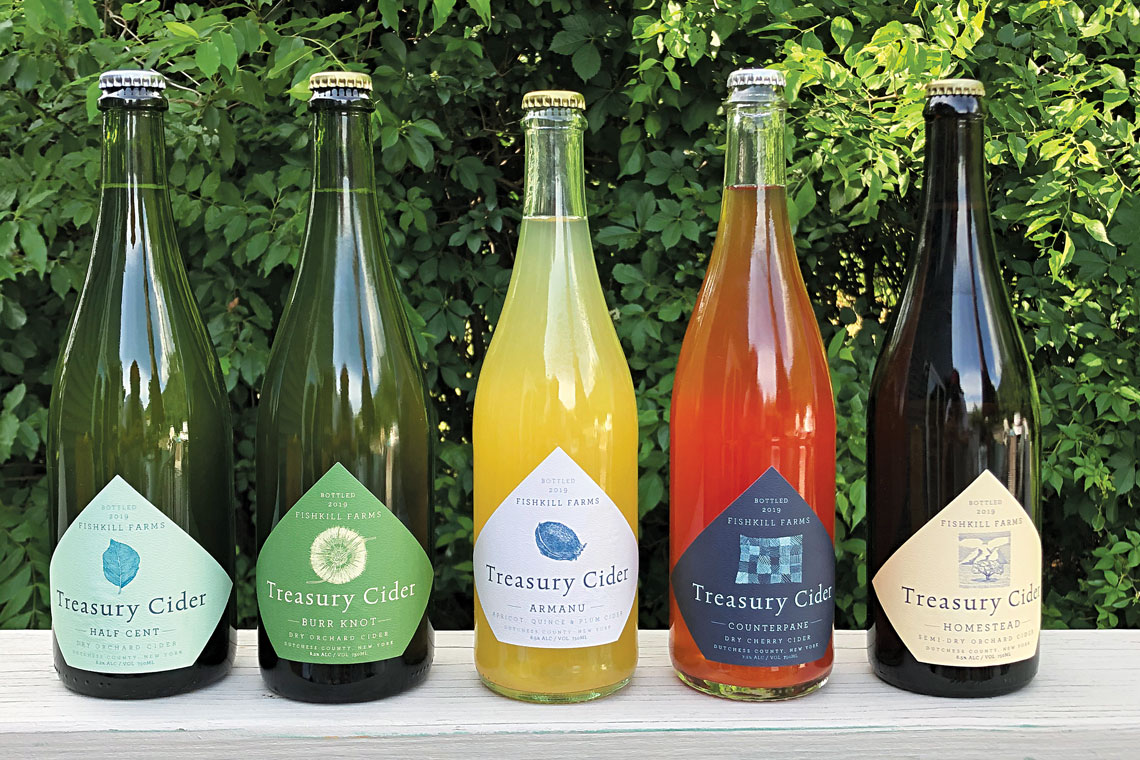
In 2016, Morgenthau launched Treasury Cider. The name honors his grandfather, Robert Morgenthau, who was Secretary of the Treasury during Franklin Roosevelt’s presidency. By designing an experience for visitors with cider as the centerpiece, Morgenthau pays homage to his family’s history and the land that produced the fruit. He notes that the old trees that his grandfather planted 60 years ago produce intensely compelling and interesting apples. Those deep-rooted trees push the limits of flavor and complexity which makes for great cider.
Communicating the importance of their orchard and its history to drinkers is a different challenge.
“When people come to our farm, they’re able to wander among our trees,” Morgenthau says. “They’re able to pick their own apples and see the differences that the site makes. Then they can taste hard cider made with fruit from those same trees.”
Elizabeth Ryan, owner of Hudson Valley Farmhouse Cider, has been making cider since 1996 and echoes Morgenthau in communicating the importance of the orchard setting to the final cider. Ryan believes in the power of conversation to reach new drinkers. If she cannot draw customers to a glass in her orchard, she and her team spread their message at farm markets and events throughout the Hudson Valley and New York City. They offer cider as part of their larger agricultural bounty; the cider inseparable from the rest of the farm produce.
Brooklyn Cider House looks at cider through a Spanish lens. Despite the name, the cider maker started in 2014 as a farm stand at Twin Star Orchard in New Paltz in Ulster County. They opened a cider house in the Bushwick neighborhood of Brooklyn last December.
The two venues offer contrasting experiences. In New Paltz, visitors can observe an orchard once filled with conventional eating apples like Gala and Macintosh being transformed to an organic orchard filled with unique heirloom and cider varieties like Dabinett and Golden Russet. In Brooklyn, visitors can witness the transformation of an old warehouse into a cider house and restaurant influenced by Asturian and Basque cider traditions, where the massive steaks rival the large cider barrels. The cider house is the heart of the Spanish cider tradition—it is a community gathering point for celebration and identity. In Bushwick, Brooklyn Cider House wants to recreate that place for a new audience to enjoy a bounty of New York’s farm ciders, wines, and beers.
Bad Seed Cider Co. followed a similar route when they opened a tasting room in Brooklyn last year to complement their existing location in Highland, in Ulster County. Wilklow Orchards, a family-owned operation since 1855, launched Bad Seed in 2011. At first, they sold their cider only at farm markets in the Hudson Valley and New York City, but they can now be found in several states across the East Coast. While the orchard has always had a loyal following of customers, the opening of the Brooklyn location greatly boosted their profile and awareness in the mind of cider drinkers, partner Bram Kincheloe says.
DEFINING CHARACTER
The character of Hudson Valley cider is a marriage of acid and texture. It is character that comes from the orchard apples, and obvious when tasted next to grocery apples from other places around the world. This harmony creates ciders that are rich in texture, balanced by acid, and retain a great deal of character during fermentation, Ryan says.
“I’m convinced of the concept of terroir,” Morgenthau says. “The impact of site, season, and how the tree has grown can produce wildly different results in the apples, detectable not only in the juice and the fermented cider, but also in the fruit when eaten out of hand.”
Unfortunately, the subtleties of orchard ciderhas suffered from muddied expectation. Until now, the public was largely unaware of what to look for, or what to expect, when buying and drinking cider. To remedy that, the New York Cider Association has developed a dryness scale to provide customers with clear language about a cider’s sugar-acid-tannin ratio. The scale puts scientific research behind the terms: “dry”, “semi dry”, “semi sweet”, and “sweet”, so they will no longer be subjective. (See sidebar on the next page.) This will give producers an opportunity to clearly communicate what’s inside the bottle and open up a discussion about the types and origins of the apples used to make the cider.
Public awareness of cider has been hampered due to Federal labeling laws. Since 1980, wine makers have been allowed to refer to American Viticultural Areas (AVAs), such as the Willamette Valley or Niagara Escarpment, on their label, yet cider makers remain unable to do so. They are not permitted to use or make reference to wine appellations, which can lead to confusion for the consumer. Local cider makers have found a loophole by labeling their products with the designation, “Hudson Valley”, so as not to infringe on the Hudson River Valley Region AVA. Cider is also barred from being labeled with vintages, so cider makers use Roman numerals or batch numbers to clue in the buyer. Legislation on both the State and Federal levels to help promote and protect cider is ongoing. In the future there may be infrastructure to label cider within the Federal system, but until then, drinkers have to seek clues on the bottle.
Engaging conversations between producers and consumers greatly impacts cider drinking habits. Events such as Cider Week Hudson Valley, now in its eighth year, focuses on the concept of “destination ciders” to encourage people to enjoy cider as part of a larger experience, and to educate them about cider’s wide diversity. By promoting the provenance of cider, producers and organizations seek to strengthen a foundation for local cider that was built hundreds of years ago.
The Hudson Valley has been a cradle for the industry—first, for the growth of the American apple and now for the production of cider. Talented and passionate cider makers throughout the region are discovering the potential of cider; building a culture and cultivating a cider terroir. The groundwork has been laid, now all that needs to be done is to drink it in.
By Dan Pucci


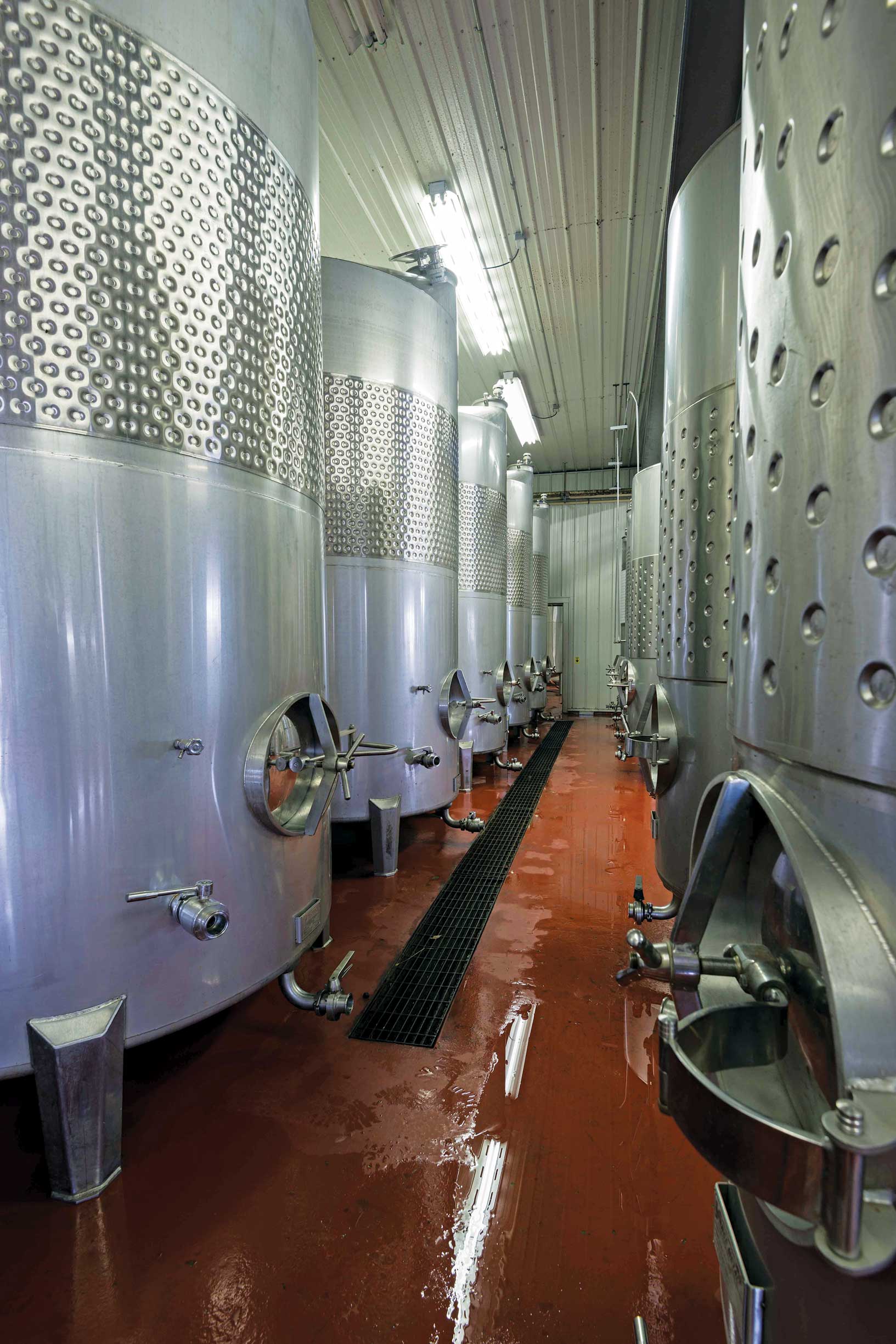 In 2002, current owners Jeremy Kidde and Jason Grizzanti set out to build the Doc’s Cider brand. After purchasing a used bottling line and three head keg filler, they increased production enough to expand beyond the farm winery tasting room and local farm markets. Every week, they would load up the truck and sell the cider door to door in New York City. Soon, Doc’s Draft started to be known for its fresh, natural taste, and they quickly added distribution to nearby states. Today, Doc’s Hard Cider is available in 25 states and three countries, with more growth on the horizon. Proclaims owner Jeremy Kidde, “We did it first and we do it best.”


