Category: Articles

  • HUDSON VALLEY FARMHOUSE CIDER

    HUDSON VALLEY FARMHOUSE CIDER

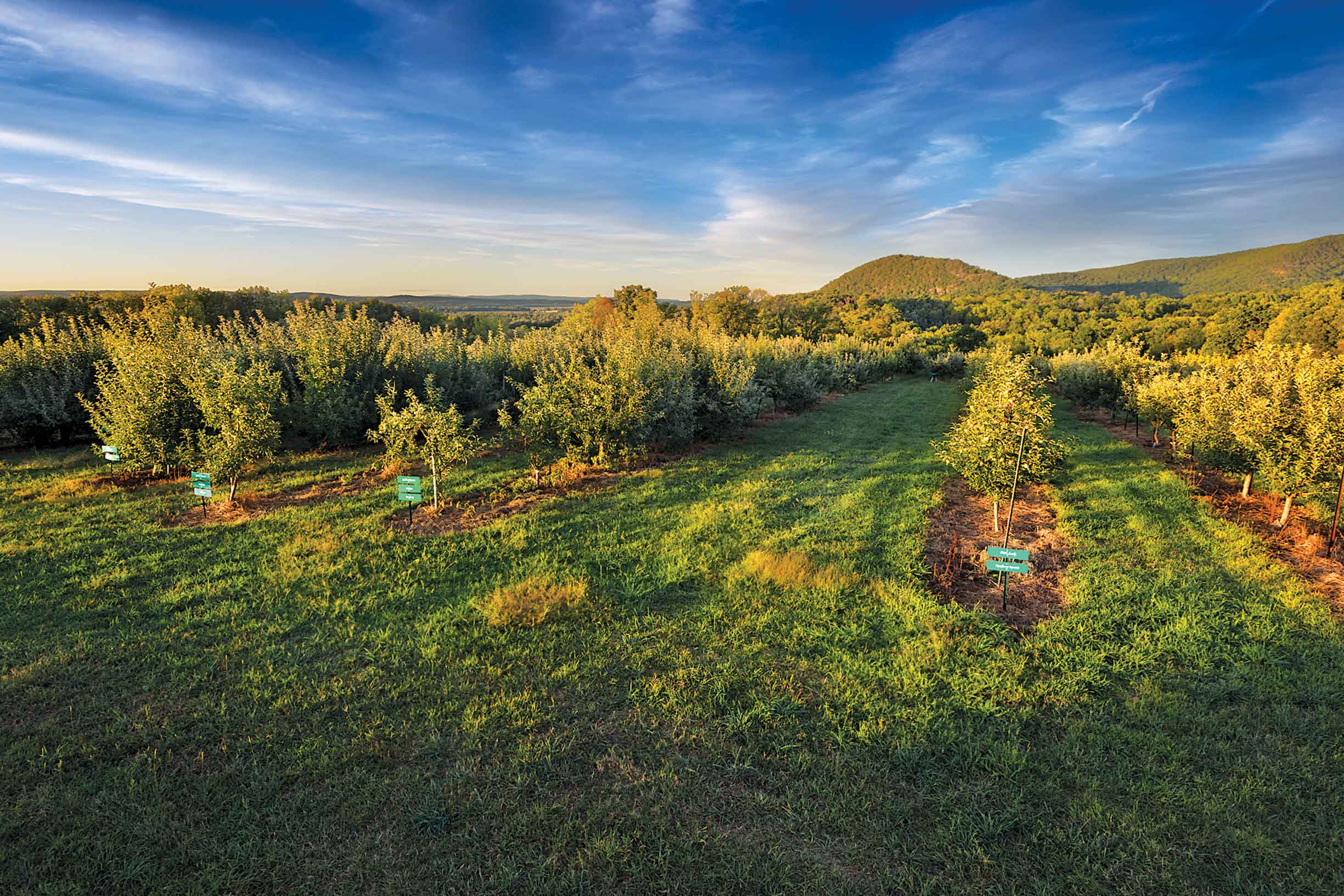
    HUDSON VALLEY FARMHOUSE CIDER was founded in 1996 by award-winning cider farmer, master, and “Grand Dame of Hudson Valley Cider” Elizabeth Ryan at her original orchard, Breezy Hill, near Rhinebeck, NY.

    In 2014, Ryan saved the beloved, 200-year-old Stone Ridge Orchard in Ulster County from the threat of development by purchasing it and adding it to the Hudson Valley Farmhouse Cider family. All together, she now has over 145 acres of fruit-bearing trees with more than 100 varieties of apples including a dedicated hard cider orchard housing many traditional and heirloom cider apples such as Dabinett, Binet Rouge, and Kingston Black. On the culinary side, her apples turn up everywhere from the Gramercy Tavern and the Studio Cafe at the Whitney Museum of American Art in Manhattan to public school cafeterias in New York City and farmer’s markets throughout the state. Many of the varieties she grows are almost impossible to find anywhere else in the country.

    With a degree in pomology from Cornell University and intensive study of cider making in Somerset and Hereford, England, Ryan has been making and perfecting her cider techniques since the early 1980s. The result is an impressive collection of highly drinkable ciders in the traditional style featuring a robust New World flavor profile.

    Hudson Valley Farmhouse Cider produces a line of exceptional farm-based ciders with style and character. The cidery is based at two beloved Hudson Valley farms, Breezy Hill Orchard near Rhinebeck and Stone Ridge Orchard near New Paltz, both known for their commitment to ecological growing and the production of highly flavored fruit.

    The Essentials

    Name

    HUDSON VALLEY FARMHOUSE CIDER

    Address

    3012 Route 213
    Stone Ridge, NY 12484

    Phone

    845-687-2587

    Website

    hudsonvalleyfarmhousecider.com
    stoneridgeorchard.com

    Open

    Farm Stand:

    Apr 15–Nov 30
    Daily: 10am–6pm

    Dec 1–Dec 31
    Limited hours, check website

    Closed

    Thanksgiving, January 1–April 15

    Farm Acreage

    200 acres

    Owner

    Elizabeth Ryan

    Cider Maker

    Elizabeth Ryan

  • Pomme-Perfect Cocktails

    Pomme-Perfect Cocktails

    Apple flavors make a great foundation for building drinks. They play well in a shaker with a wide variety of herbs and spices, citrus flavors, and other craft spirits, so it’s no wonder beverage directors and mixologists are embracing the region’s terroir- driven ciders and apple spirits to create new recipes and reinvent the classics. We tapped a few local outposts and Manhattan’s best bars for these tasty pomme-focused cocktails to try at home.

    Newburgh Cidertini

    6 MINT LEAVES
    1 oz HOUSE INFUSED CITRUS VODKA 1 oz LEMON JUICE
    .5 oz APPLE INFUSED VERMOUTH
    .5 oz YELLOW CHARTREUSE
    GRAFT HOP TROPIC CIDER

    Muddle mint then add ice to shaker. Pour in lemon juice, vermouth, Chartreuse, and vodka. Shake then strain into snifter. Top with half a can of cider.
    Courtesy Steven Aigner / Mixologist / Liberty Street Bistro / Newburgh, NY
    Photo (above): John C. Pugh

    Wassail_web_USEPell Estate

    1.5 oz NEVERSINK SPIRITS APPLE BRANDY
    1 oz UNCOUTH VERMOUTH APPLE MINT
    1 oz ORCHARD HILL TEN66 POMMEAU

    Stir ingredients together and strain into cocktail glass. Garnish with orange twist.
    Courtesy Dan Pucci / Beverage Director / Wassail / New York, NY

    Ten66-Cocktail2_web_USECome Hill or High Water

    1 oz ORCHARD HILL TEN66 POMMEAU
    .75 oz BLACK DIRT APPLE JACK

    .5 oz LUSTAU “ESCUADRILLA” AMONTILLADO SHERRY
    .25 oz HONEY SYRUP
    .25 oz VICARIO NOCINO WALNUT LIQUEUR

    Stir ingredients together and strain into cocktail glass. Garnish with lemon peel.
    Courtesy Stephanie Schneider / Owner, Mixologist / Huckleberry Bar / Brooklyn, NY

    DeereMountain_J4A5776_web_USE

    All Souls Reviver #1

    1.5 oz MAISON ROUGE COGNAC V.S.
    .75 oz HUDSON VALLEY DISTILLERS FINE SHINE APPLEJACK
    .75 oz CARDAMARO
    .25oz BLUME MARILLEN
    APRICOT BRANDY
    Stir until balanced, then strain into cocktail glass. Garnish with dried violet flowers.
    Courtesy Artem Grishin / Beverage Director / Deer Mountain Inn / Tannersville, NY
  • The Curious Character of Varietal Ciders

    The Curious Character of Varietal Ciders

    Cider makers often blend inedible bitter-sharp and bittersweet apple varieties with crossover apples to create their signature house styles. But some, like Doc’s Draft, Hudson Valley Farmhouse Cider, and Angry Orchard are experimenting with single varietals, using just one type of apple to create ciders with a distinct flavor profile. While these modern and heirloom apples are gaining popularity as varietal ciders, they can also be the backbone of blends:

    Ashmead’s Kernel

    This is a rather lumpy, misshapen English apple that would never win a contest for its beauty. But, appearances can be deceiving. Ashmead’s Kernel has remained popular for well over two centuries, and with good reason: it has a taste that sets it apart from most other varieties. For some, the elusive flavor is reminiscent of a sweet- smelling hard candy known in the UK as a pear drop.

    Esopus Spitzenberg

    This buttery-yellow, antique variety was discovered by Dutch settlers in 1770. Its crisp, juicy flesh, rich aromatics and concentrated flavor make it the apple of cider connoisseurs.

    Gold Rush

    A smooth-skinned modern dessert apple with a flavor profile similar to Golden Delicious, but with a bit more acidity. It is late harvested and has excellent juice, but as a relatively new variety there isn’t much experience with it yet in cider production.

    Golden Russet

    The “I can do anything better than you” apple. Discovered in New York in 1840, this dynamo’s sweet, honeyed fruit has the perfect blend of acid, sugar, and tannin to enhance any blend, and enough finesse to be used for a single varietal cider.

    Newtown Pippin

    Early New York settlers propagated this varietal in Queens in the 18th century. The green-skinned, late harvested Pippin has a well-balanced, sweet-tart flavor and tannins that make it a good candidate for barrel-aged ciders.

    Northern Spy

    This sharply flavored late ripening variety was introduced in the 1840s in Rochester, NY. With possible connections to Esopus Spitzenburg it shares many of the same qualities including heady aromatics and luscious fruit.

    Winesap

    Winesaps can be eaten fresh, but they also shine in cider production. This heirloom apple has a unique tartness, intoxicating aroma, and lingering spice that sets it apart from other varietals.


    by Wendy Crispell

  • Stylistically Speaking Cider

    Stylistically Speaking Cider

    THERE’S NO DENYING the popularity of cider is on the rise. At least one commercially-produced cider can be found in your local grocery store, deli, or bodega—something just not available as recently as five years ago. What you’ll find on these shelves is a good stromectol get introduction to the joys of drinking cider, but they lead many to assume cider is always a sweet beverage. Not all ciders fall into this range. The craft cider industry is busting this myth with a variety of styles and flavors to suit all tastes.

    Most Hudson Valley cider houses produce a range of styles. Some craft styles that mirror their favorite type of prednisone online European cider, generally English, Spanish, or French. English cider is known for being dry and tannic with higher alcohol levels, while Spain is known for ciders with racing acidity, slight funk, and bright green, somewhat herbal, flavors. The French create sweeter, lower-alcohol ciders with lively effervescence.

    Building on these traditions, creativity and experimentation is rampant among local producers. Each cider maker brings his or her distinct personality into the mix by using a unique blend of apples or adding surprise elements like spices and other fruits, or by maturing their ciders in different types of vessels.
    xanax cheap
    It’s true the best way to learn about cider styles is by drinking them, but you can also learn a lot—and define your own cider style—by understanding the terminology commonly used klonopin online no rx in the craft cider industry.

    OFF-DRY CIDER

    Off-dry ciders have slightly more body than their dry counterparts; usually containing 1% to 2% residual sugar. A rounder, fuller mouthfeel is the norm here, while the cider still contains enough acid to be refreshing. This is an excellent choice for food pairing. The slight sweetness plays nicely with spicy cuisine including Indian, Thai and BBQ.

    TRY: Brooklyn Cider House produces a stellar off-dry style that truly fits the bill in this category.

    DRY CIDER

    Dry ciders generally have less than 0.5% residual sugar. They are often tannic, with a pronounced acidity, and a slightly thinner body than those with more residual sugar. Depending on the apple varieties used, aromas can include spring blossoms, wild flower, and sweet clover. Most styles of dry cider contain enough rich fruit essence to stand up against lightly spiced cuisine. They also complement any type of grilled bratwurst, many different cheeses, and they pair perfectly with a variety of charcuterie and pâtés. Many cider makers in the Hudson Valley craft a dry cider.

    TRY: Top picks include those from Hardscrabble Cider, Kettleborough Cider House, and Indian Ladder Farmstead Cidery.

    BONE-DRY CIDER

    This style is often made with cider apple varieties which add more tannin and a spine-tingly acidity to the finished product. Pleasant earthy notes combine with interesting flavors and exotic aromas to make this mouthwatering style of cider. While this style may take some getting used to for newbies, it’s a favorite among aficionados. For pairings, treat this like a French Chablis – briny raw shellfish, such as oysters and clams, are charmed out of their shells by this style of cider.

    TRY: Pennings Farm Cidery and Brooklyn Cider House both produce bone-dry ciders worth seeking out.

    BOTTLE CONDITIONED

    Produced much like sparkling wine, with a second fermentation occurring in bottle. Not only does bottle conditioning add satisfying and elegant natural carbonation, the live yeast creates complex flavor profiles. These thought-provoking sparkling ciders pair with buttery seafood preparations, pasta with cream sauce, or triple crème cheeses.

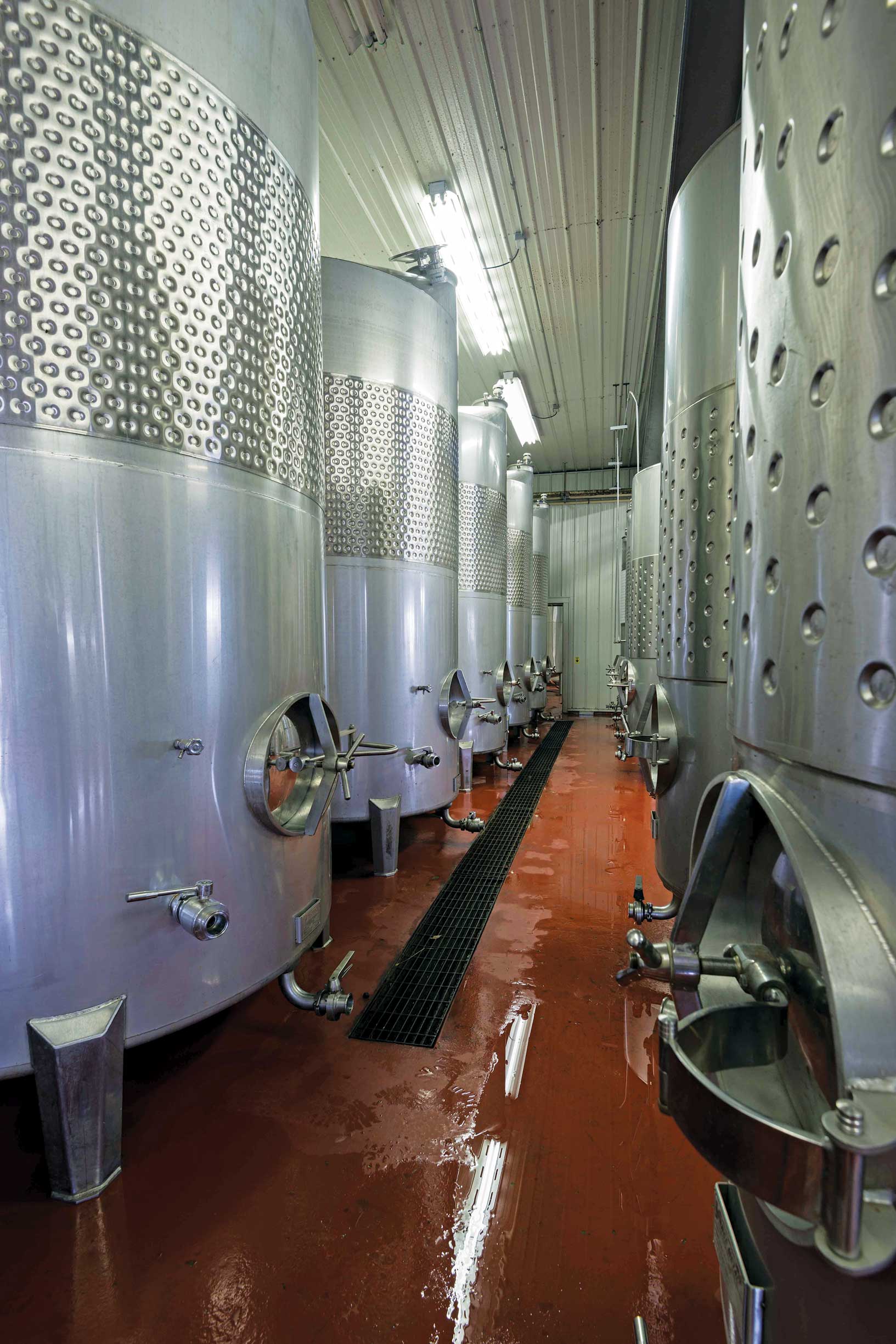
    TRY: Orchard Hill Cider Mill and Treasury Cider craft tasty examples of this labor-intensive style. Hudson Valley Farmhouse Cider offers several savory ciders in this style which are bottle conditioned in their new temperature-controlled facility.

    SCRUMPY

    Traditionally Scrumpy was a strong, rough, very pulpy cider, cloudy in appearance, and popular in Western England. In the 19th century, farm laborers would generally receive up to a quart daily as an incentive on top of their wages. Today, Scrumpy can be mildly sweet or dry, but it is almost always cloudy due to its unique production method. True Scrumpy is made using the natural yeast found in apples, slowly fermented over a long period of time which produces its natural effervescence. Scrumpy can be bottled with the addition of honey or other sweeteners, and yeast is sometimes added to boost the alcohol and create more bubbles. It can then be left to finish for an additional two or more months. It’s no wonder this rustic beauty has inspired more than one indie folk punk ballad dedicated to its delights. Scrumpys, which are often sold in jugs, are welcome at any BBQ featuring hearty grilled meats and mayo-laden salads, and best in the company of friends and family. TRY: Hudson Valley Farmhouse Cider produces a seasonal Scrumpy that is bottled alive so it must be kept cold or refrigerated. This New York take on an English tradition is a win-win on either continent.

    SWEET

    For those that prefer a sweeter style cider, there are many farm-fresh options to choose from. Instead of the commercial brands, which typically contain fifty percent juice and rely on added sugar to achieve a fuller flavor, there are lush orchard fruit ciders and versions back-sweetened with local honey being crafted in the Hudson Valley. These styles are delicious paired with strong washed-rind or blue cheeses.

    TRY: Weed Orchards’ Papa’s Peaches Hard Cider, or honey ciders from Penning’s Farm Cidery and Standard Cider Co.

    CROSSOVER STYLES

    Most cider makers are purists and let the terroir of the orchard and the character of the apples weave the story that ends up in the glass. But some can’t help being rebels, commingling flavors from other facets of the beverage industry to influence their finished products. Dry-hopped ciders, for example, have citrus flavors and floral notes that are not only more refreshing than an IPA beer, they are also much less filling.

    TRY: Standouts include Bad Seed Cider’s IPC Hopped Cider and Joe Daddy’s Hoppin’ Joey. Naked Flock’s Currant Saison is a crossover that would satisfy any beer lover’s palate.

    Other alternative cider styles take their cues from wine. Try Nine Pin Ciderworks’ Cidre Rosé, made by co-fermenting apples with the skins of red grapes to create a pink tipple perfect for summer sipping, with a lower alcohol than your average rosé. For those seeking a more assertive flavor, barrel-aged ciders offer up flavors of spice, a touch of smoky character, and a bit of heft. Angry Orchard’s small batch barrel-aged ciders stamp a distinctly Hudson Valley signature on this traditionally European style of cider.

    The talented cider pioneers throughout the region are crafting many palate-pleasing styles of ciders—from sweet to bone-dry. You just may have to try them all to discover a few go-to styles to call your own.

    By Wendy Crispell

    Photo: Eric Lewandowski


  • TREASURY CIDER

    TREASURY CIDER

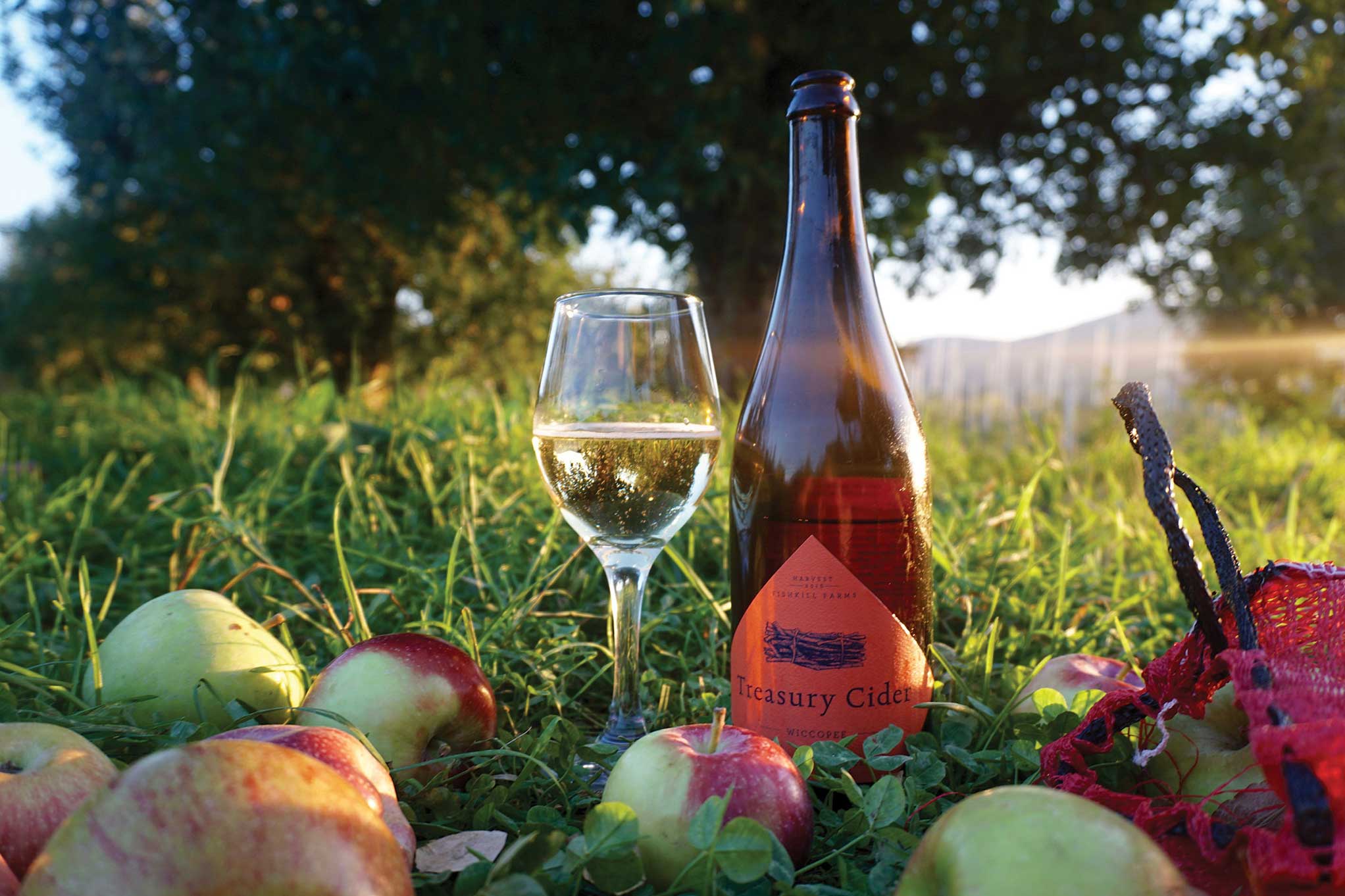
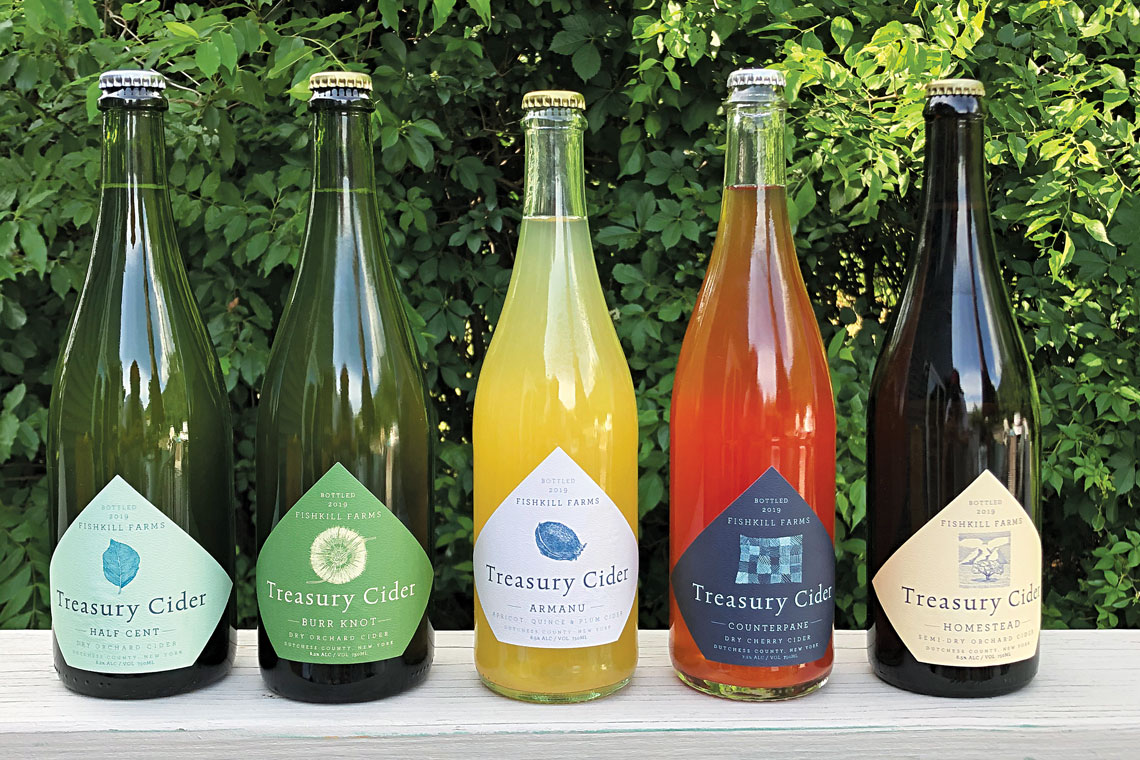
    TREASURY CIDER IS A TREE-TO-BOTTLE hard cider produced by Fishkill Farms at their century-old family orchard. They use a mix of heirloom, bittersweet, and dessert apples that are cultivated, pressed, and wild-fermented with care to produce each batch of hard cider. Every ingredient is grown or wild-foraged on the farm, and fermented traditionally to produce delicate ciders akin to dry and sparkling white wines.

    In 2015, after over 100 years of growing apples, family-owned Fishkill Farms began producing hard cider called Treasury to invoke the spirit of the farm’s founder, Henry Morgenthau Jr., who served as U.S. Secretary of the Treasury under Roosevelt. It is also a nod to the historic American cider cellars which, like treasuries, served as year-round sources of comfort and vitality for the families and communities in their area.

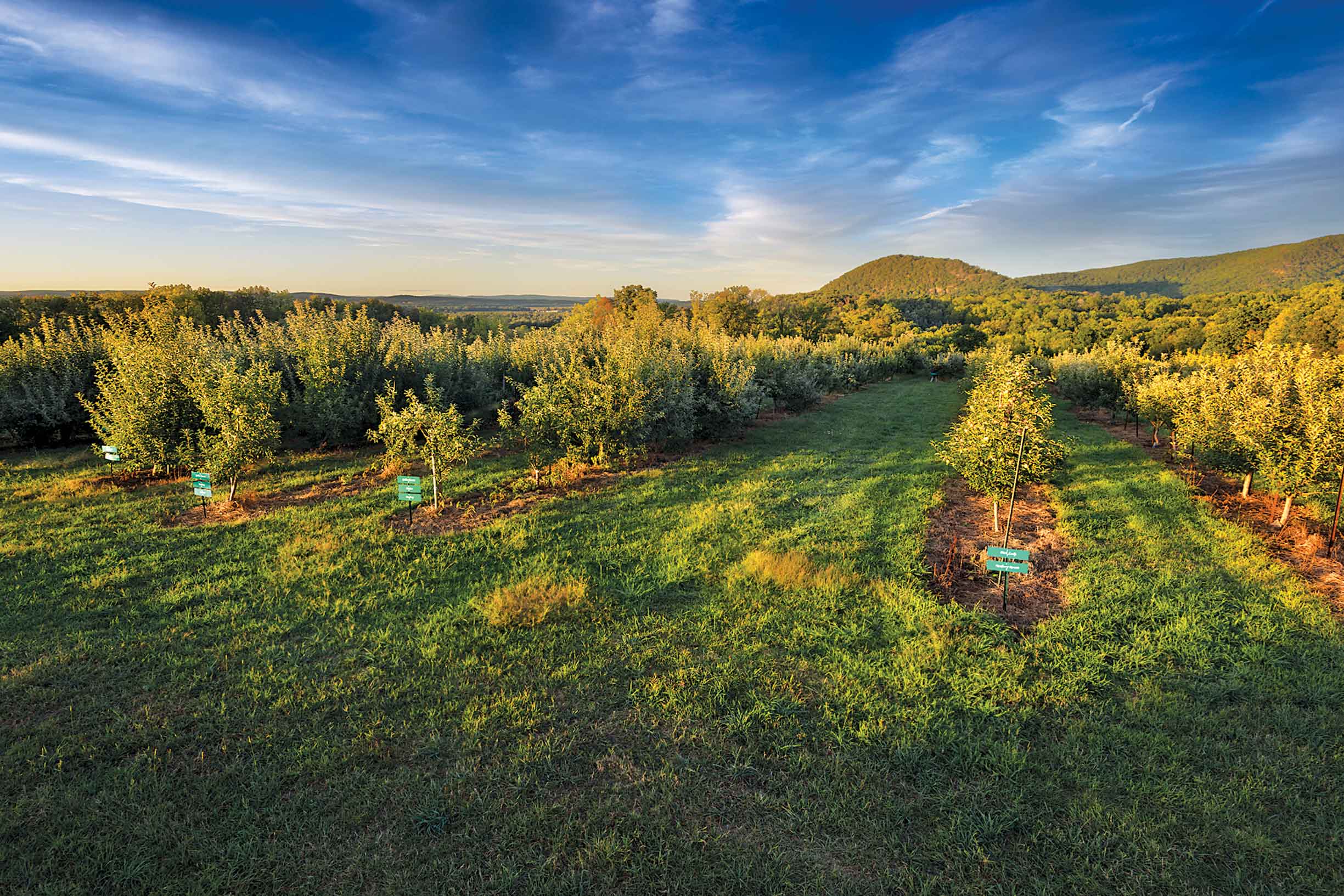
    Today, Henry’s grandson Josh Morgenthau carries on this tradition as a third-generation orchardist, and the cider maker behind Treasury Cider. Starting with the belief that outstanding cider is made in the orchard, the apples used in Treasury Cider are chosen for the character they add to cider, grown with minimal intervention, eco-certified, and harvested at peak ripeness. TThe Hudson Valley climate and rich glacial soils yield unique, site-specific flavors to their cider. After pressing through a rack-and-cloth press, the apples are fermented slowly at cool temperatures and aged for 6-10 months before bottling, yielding a dryer and less carbonated cider that pairs wonderfully with a variety of foods.

    Treasury’s newest releases were made with the 2020 crops. They are a mix of apples like Jonamac and Golden Delicious which grow on 60-year old trees, and newer organic plantings of heirloom and cider varieties, including Roxbury Russet, Esopus Spitzenberg, Ashmead’s Kernel, Northern Spy and Goldrush. Each variety showcases a unique blend of fruit and a particular cider-making process.

    Treasury’s ciders can be enjoyed on their cider bar porch in the late spring, summer, and fall months, and in the indoor tasting room in the winter and early spring months, both offering scenic views of the farm, orchards and Catskill mountains beyond. Cider is available in tasting flights and by the glass, as well as in specially crafted cider cocktails! Check the website for current hours, live music, workshops, and food offerings.

    The Essentials

    Name

    TREASURY CIDER
    FISHKILL FARMS

    Address

    9 Fishkill Farm Rd.
    Hopewell Junction, NY 12533

    Phone

    845-897-4377

    Website

    treasurycider.com
    fishkillfarms.com

    Open

    Year round
    Please check the google business page
    for updated hours as they change seasonally

    Closed

    New Year’s Day, Easter, Thanksgiving, Christmas

    Tasting Fees

    Visit the website for details

    Tours

    No

    Farm Acreage

    270 acres

    Owner

    Josh Morgenthau

    Manager

    Mark Doyle

    Cider Makers

    Josh Morgenthau, Chris Jackson,
    Matia Hayden, Rohan Chamberlain

  • DOC’S DRAFT HARD CIDER

    DOC’S DRAFT HARD CIDER

    Docs-06-OrchardSunset-web

    AS THE FIRST CIDERY IN NEW YORK STATE since prohibition, Doc’s has had over 20 years’ experience in fine tuning and perfecting the craft. The staff at Doc’s is proud to use only 100% New York fruit, and the success of Doc’s Cider is due to this insistence on using the finest fruit available. When it’s not sourced from the on-site orchard, Doc’s purchases fresh market fruit from local growers that the staff knows personally.

    The Doc’s Draft Hard Cider story began in 1989, when two doctors purchased an orchard in Warwick, NY and began to learn how to cultivate fruit. Local apple growers and extension agents taught them the basics and contributed to the early success. As a result of an abundant apple crop they began to experiment with hard cider. Soon they were hooked. They applied for and received a farm winery license and cider producer license in 1993 – and Doc’s was born. Doors opened to the public in the fall of 1994.

    In the early days, they had three wines and one cider, all of which were, frankly, a bit unrefined. Their inexperience was as evident as their enthusiasm, but they persevered to create higher quality wines and cider. Every vintage improved as they honed their skills and continued to learn the art and science of wine and cider making. Eventually, hard work paid off, leading to the development of the critically-acclaimed Doc’s Draft Hard Apple Cider.

    Docs-02-Fermenters-rgb-webIn 2002, current owners Jeremy Kidde and Jason Grizzanti set out to build the Doc’s Cider brand. After purchasing a used bottling line and three head keg filler, they increased production enough to expand beyond the farm winery tasting room and local farm markets. Every week, they would load up the truck and sell the cider door to door in New York City. Soon, Doc’s Draft started to be known for its fresh, natural taste, and they quickly added distribution to nearby states. Today, Doc’s Hard Cider is available in 25 states and three countries, with more growth on the horizon. Proclaims owner Jeremy Kidde, “We did it first and we do it best.”

    Doc’s Draft Hard Apple Cider is now available in four year-round varieties (Original Apple, Pear, Raspberry, and Hopped) as well as six seasonal offerings (Cassis, Sour Cherry, Peach, Pumpkin, Cranberry, and Gold Rush).

    The Essentials

    Name

    DOC’S DRAFT HARD CIDER

    Address

    114 Little York Rd.
    Warwick, NY 10990

    Phone

    845-258-6020

    Website

    docscider.com

    Open

    Year round:
    Mon–Fri: 11am–6pm
    Sat–Sun: 11am–6pm

    Closed

    New Year’s Day, Easter, Thanksgiving, Christmas

    Tasting Fee

    $5.00

    Tours

    $15.00 (Distillery Tour)

    Farm Acreage

    100 acres

    Production

    75,000 cases

    Manager

    Jeremy Kidde, Jason Grizzanti, Joseph Grizzanti

    Cider Maker

    Cooper Graney